
[Music]
[Applause]
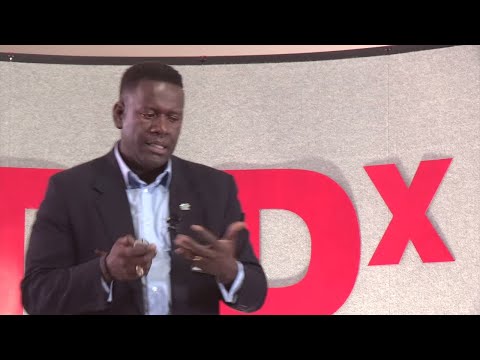
good morning everyone my name is Michael
Williams
I am a Warren County Schools teacher I
am still a Warren County Schools teacher
and I absolutely love my job I work
alongside some awesome teachers shout
out to all the teachers who are here
today especially those who who teach
beside me every day I’ll be sharing some
stories that you’ve probably heard in
the hallway and the teachers lounge what
do you want it to or not but I’m gonna
say it again
but my talk today is on from dodge to
diaspora last time I was here I talked
about ancestral research as a means of
shaping identity and this actually
extends that conversation so the title
from Dodge to diaspora actually refers
to to a figure took place as we continue
to pursue this theme of the bridges it’s
a bridge from Dodge a bridge from
diaspora that I’m still crossing today
and know from Dodge to diaspora Brian is
not two cars I’m not talking about a car
called a Dodge I’m not talking about a
new 2018 car called the Diaspora talking
about the African Diaspora the Diaspora
that serves as a community of serves
it’s a home of all those individuals who
at some point or another were birthed
from the African continent and the
Diaspora when we speak about it this
large a large place that touches most
places of the globe and my talk today
will delve into that and kind of tell
you all about this journey from that I
still am going on so starting in the
third grade I have to start and tell you
there in the third grade I was hurt in
my back
maybe all starts with it back in but I
jacked my back up like and I did it cuz
I was showing off this is this pretty
girl so this is pretty girl was in my
class right and she she had the
prettiest hair she had to cool barrettes
in her hair pecan colored skin and she
had eyes that smiled even more than her
perfectly aligned teeth could and every
day on every Thursday I was show off for
her so I will go to the highest point in
the playground that
and I was good at tumbling like my
brother Anthony he tumbles well and my
older brother Daniel he really doesn’t
but I do pretty good for myself so I
would go and I would do a backhand back
took bow and I was sticking every single
time then one day I missed it but anyway
that was my Friday Eve ritual and even
to this day my co-workers to tell you
Mike Michael loves Friday Eve’s but
there’s that was my ritual and I did it
for her and you know that changed and it
changed because there was this guy who
moved down he was a new boy he moves
down from the city and he’s totally
urban he’s totally City he’s totally
cool he wore the white sneakers his
pants were always perfectly creased and
everything he had was new I was
everything that he wasn’t and the
biggest thing about him he was from up
north but we called it up north he was
from up north and the young lady I’ll
call her Lauren her name’s not really
Lauren but to protect the identity and
the giver Lauren actually I like hip-hop
so let’s call it Lauren Hill but so
Lauren guy took a shining to him and she
really liked him and and it took the
attention off of me and I really didn’t
like him at all and we’ll call him we’ll
call him to pop we’re giving out hip-hop
so 2pi gets all of her attention at that
point because he was from up north and
everything about him was really cool I
mean his hands while I was cleaning in
line his fingernails even we’re a lot
cleaner and clearer than mine were they
weren’t dirty and black mine were dirty
and black like like me and that’s how it
felt and it was a mentality that I
carried around with me it was this dodge
mentality dodge was a place and if you
google a dodges the city in Kansas no
I’m not from the office I’m from Warren
County but Dodge was a mentality if you
think about it when people talk about
getting out of Dodge what did I say man
I’m about to get hell out of Dodge why
it’s a place that you want to go away
from you don’t want to exist there it’s
no more for what it isn’t as opposed to
what it is it’s a place that have-nots
hang out and I was a Hefner I felt like
I have not my entire life I carried that
around with me throughout the years and
more so than a geographic place it was a
mental space that I existed in for a
long time there were feelings of
inadequacy that I care
for the majority of my life simply
because I knew I wasn’t that person I
knew I was here in the south in a place
that wasn’t going anywhere a place that
was marked by industry and cotton fields
and tobacco fields and all these
different things so as I grew older that
that kind of changed a little bit and I
had this mentality that okay I’m gonna
get out at one point I’m gonna get out
I’m get away from this place not like
Jordan peels get out but it was akin to
a sunken place that I existed in but
that all changed and it began to change
as I started getting away from this
dodger mentality this mentality where my
mind was constantly clouded with
feelings of self-doubt because I existed
in a rural space and it changed once I
met this group of awesome awesome kids
awesome awesome
teachers who taught me to appreciate the
value of my local experience too who
taught me to appreciate the soul cities
who taught me to appreciate the Rolling
Hills the car leg the Lake Gaston of
where I existed and I began to find
value in those spaces as I grew older
and I started researching my own
personal ancestry and I used my tools
because I knew that my students existed
in a space where my 80s you know hip-hop
pop music dodge had now melded in this
more contemporary fast-moving dodge that
my students carried in their head and so
to teach them the value of our local
experience we started doing projects
like the digital Museum a project where
students went around in the community
and partner with local seniors to
collect their voices in their oral
histories which is characteristic
largely of people who exist in the
diaspora my students also would do
projects such as Park spaces in places
where we were just right up the street
from here and Nathaniel make his grave
with a 360 degree camera and the
students were kind of archiving and
taking that space to be able to show it
and tell other people about the value of
their local experience all of these
things slowly but surely started to
bring me out of this space and I
extended it from there realizing that
you know my job is to prepare them for
life after school teaching in a
project-based learning environment we
teaching these authentic project-based
learning assignments and projects that
are designed to promote critical
thinking communication collaboration
personal agency all of these things but
I realized that as a 2017 21st century
teacher it was incumbent on me to
connect those same students with the
globe to connect them and teach them the
principles of becoming global citizens
and so we started pursuing projects so
we were still locally and one of the
terms I use is is locally base book
locally globally focused and partnering
with teachers like Katie Hunter an
author teacher who’s at Scotland Karen
Olsen who is insolent girl superb
pronounce writes against Denmark
Daniel Pardo who is now in Melina Chile
and a good friend of mine and
documentary mr. Michael Markovski who is
now in Japan with the idea of expanding
and while this is happening I feel
myself actually growing and growing and
growing more and crossing over into this
global mindset when I was here in 2015 I
talked about I envisioned a place that I
ultimately wanted to go and I talked
about how I trace my ancestry and I went
back and ultimately wanted to and this
is a magic place for me because after I
stepped off the stage here at this place
a series of events started happening I
started beating the bushes I started
chasing opportunities to ultimately walk
through that door for those of you who
may not know that’s the door of no
return it’s in cape coast castle and
while we focus on a large portion of the
the global experience it’s incumbent
upon me to teach my students a largely
you know community of 58 to 60 percent
african-american community a community
where in my classrooms it can be
anywhere from 80 to 90 s per Smith but
to teach them about these places to
teach them about the value of these
places to truly put this global
awareness in the preparation of global
citizenship in practice because to be
perfectly honest with you our knowledge
of these spaces are couched in these
19th century Kipling like notions of
these dark spaces with
jungles and dark bodies when in
actuality is all about the people and
those are the things that I learned as I
began to grow so look at in these so
these opportunities
I came to involved with the African
Diaspora Fellows program which is led by
dr. Kia call well as well as Emily
Chavez’s UNC do partnership and I
connected with teachers all over the
state who were focusing on doing the
exact same thing in addition I became
involved with a global teacher
fellowship with the rural school and
community trusts and it was through that
partnership that I was able to actually
go to that place I was able to travel
and end up in this space via a project
that another project again in PBL I
loved it but it was called chasing blake
chasing blake was based on a gentleman
by the name of peter blake of peter
blake in 1675 went on a six a 18-month
year-and-a-half journey from kent down
to cape coast castle into the americas
forming the triangle that we know it’s a
triangle of slave trade and my project I
wanted to do that I wanted to travel I
wanted to touch the critical points of
that triangle but I wanted to bring
teachers into the conversation to study
the contemporary effects in the legacies
of where we all stand right now and so
the teachers in the UK and we were
fortunate to connect with teachers in
say for instance Edinboro to go there so
I traveled them we talked and we got the
students involved we got the students
engaged from there I go to I went to
Liverpool and it was a twenty nine
thousand mile 29,000 plus mile journey
that I went on and we did it in ten days
and I was driving I’ve never driven on
the m5 before it’s crazy driving injury
manson littleton nothing like it alright
also went to london but ultimately i
found myself in cape coast it was
experienced like none other because
we’re in the point that i got there i
got off the plane and i noticed that
I became comfortably anonymous as I said
before I exist in a space where I’m only
10% of the teach two percent of the
teachers in America african-american men
and so this idea of comfortable
anonymity doesn’t really happen a lot
but I got off and I stepped into a space
where my often marginalized frame melded
with these pure unbroken mahogany bodies
discourse of mahogany body said of
walking and living and breathing in
existing in this space this space that
was the cradle of what we considered to
be the Diaspora and I was there and I
was walking I felt an even stronger
connection as I walked through the
markets and I would see elders who would
look at me and say hey you have a kind
of face he’s a gonner face this is a
little boy with the dirty fingernails
who fell like he wasn’t good enough and
now am I merely walking through a market
feeling this sense of connection no long
in the two-percent but in a hundred
percent from dodge to diaspora going
from there standing on the shores of the
coasts and hearing the waves crash and
as my wife stood beside me at night you
know we would go to sleep and we would
we would hear the waves crashing up
against the shore and it was unlike any
other ways it was turbulent ways this is
a space that no one we never saw anyone
playing out in the ocean because there
was something about that ocean that
ocean had witnessed the horror and if
you stand close enough you could feel
the ocean extend up to up to you and a
term that I heard yesterday talk with
one of my awesome teachers Miss Lee
who’s in the office she said oh that’s a
pathetic fallacy it’s when nature takes
on a human characteristics and I felt
that and at night we would lay down and
we were hear it and I can only imagine
how my ancestors were in this dungeon
and at night they could hear this roar
constant roar not 100 feet from where
they lay thinking about where they could
ultimately end up there’s other wise
life’s to say
in force water it’s now becoming a
menace that’s taking him away but I felt
that power of connection and I ended up
in a place called Bhrigu with some
awesome students and wonderful students
engaged students who I could see dodging
their eyes as well because I talked with
one young man named Manuel and I said
hey Manuel what do you know about the
United States he said the u.s. is the
king of the whole world
the US is the head of the whole world
and I wanted to tell them Emmanuel I
would love to be where you are I would
love to be here I would love to be in
this place which you existed I live and
I live in what is arguably the country
with the greatest opportunity however
there’s a part of me that exists inside
you and I would love to be able to help
you extend that bridge over to
understanding how powerful you are and
so we went on and as I said before the
chasing Billick project it was designed
to connect Emmanuel it was designed to
connect Seth who is in Liverpool it was
designed to connect my students here in
this global conversation just kind of
talking essentially a penpal project
that we talked about but the next step
in that journey I realized so so many
things is is that there’s another pretty
girl and I flipped for her all the time
well figured she’d be yes not physically
that’s what I met but there’s another
pretty girl a woman throw all with now
and she has a story she she has her own
dodge that she’s existed in haven’t been
born in a place 3,000 miles south of
here another part of the Diaspora where
if you do your research there were
millions more Africans who ended up in
Brazil she was born in Baia and while
we’re connecting the three points of the
triangle and focusing largely on the
North American side of it there is a
large large group of people who will go
and will connect with in this idea of
going from Taj to diaspora and
understanding that to take away from
this experience is the people it’s the
Emmanuel’s it’s the kids along the way
it’s the kids in my classroom they’re
gonna be the ones who gonna take what
we’re doing and leave from it they’re
gonna be the ones who gonna get away
from these late ladies early early you
know notions late 19th century actually
early 20th century notions of what
Africa is what these dark spaces are
what these people are because the
journey is all about people and I’m
fortunate to be in a position to be able
to do that but what’s next and I talked
about the magic of this place like how I
went from here last time and all of a
sudden you know opportunities happen so
thank you Lizzy Creek because the next
step in the journey for me is to go down
to South America to go to Brazil to
discover the voices to discover the
bodies to discover all of the students
who are down there who want to know
about where they exists in this larger
diaspora so from – the Diaspora it’s a
continuing journey that I am on and if
your note from the picture I ultimately
walked into that door which is now the
door of return and I was told by the
tour guide that the door of no return
was converted to the door returned for
all the Africans who were ever displaced
from that place and it was a way of them
walking about welcome
meeting us back so I thank you all for
your time and I appreciate you all
listening from Dodge to diaspora thank
you
[Applause]
[Music]
you
[Music]
[Applause]
good morning everyone my name is Michael
Williams
I am a Warren County Schools teacher I
am still a Warren County Schools teacher
and I absolutely love my job I work
alongside some awesome teachers shout
out to all the teachers who are here
today especially those who who teach
beside me every day I’ll be sharing some
stories that you’ve probably heard in
the hallway and the teachers lounge what
do you want it to or not but I’m gonna
say it again
but my talk today is on from dodge to
diaspora last time I was here I talked
about ancestral research as a means of
shaping identity and this actually
extends that conversation so the title
from Dodge to diaspora actually refers
to to a figure took place as we continue
to pursue this theme of the bridges it’s
a bridge from Dodge a bridge from
diaspora that I’m still crossing today
and know from Dodge to diaspora Brian is
not two cars I’m not talking about a car
called a Dodge I’m not talking about a
new 2018 car called the Diaspora talking
about the African Diaspora the Diaspora
that serves as a community of serves
it’s a home of all those individuals who
at some point or another were birthed
from the African continent and the
Diaspora when we speak about it this
large a large place that touches most
places of the globe and my talk today
will delve into that and kind of tell
you all about this journey from that I
still am going on so starting in the
third grade I have to start and tell you
there in the third grade I was hurt in
my back
maybe all starts with it back in but I
jacked my back up like and I did it cuz
I was showing off this is this pretty
girl so this is pretty girl was in my
class right and she she had the
prettiest hair she had to cool barrettes
in her hair pecan colored skin and she
had eyes that smiled even more than her
perfectly aligned teeth could and every
day on every Thursday I was show off for
her so I will go to the highest point in
the playground that
and I was good at tumbling like my
brother Anthony he tumbles well and my
older brother Daniel he really doesn’t
but I do pretty good for myself so I
would go and I would do a backhand back
took bow and I was sticking every single
time then one day I missed it but anyway
that was my Friday Eve ritual and even
to this day my co-workers to tell you
Mike Michael loves Friday Eve’s but
there’s that was my ritual and I did it
for her and you know that changed and it
changed because there was this guy who
moved down he was a new boy he moves
down from the city and he’s totally
urban he’s totally City he’s totally
cool he wore the white sneakers his
pants were always perfectly creased and
everything he had was new I was
everything that he wasn’t and the
biggest thing about him he was from up
north but we called it up north he was
from up north and the young lady I’ll
call her Lauren her name’s not really
Lauren but to protect the identity and
the giver Lauren actually I like hip-hop
so let’s call it Lauren Hill but so
Lauren guy took a shining to him and she
really liked him and and it took the
attention off of me and I really didn’t
like him at all and we’ll call him we’ll
call him to pop we’re giving out hip-hop
so 2pi gets all of her attention at that
point because he was from up north and
everything about him was really cool I
mean his hands while I was cleaning in
line his fingernails even we’re a lot
cleaner and clearer than mine were they
weren’t dirty and black mine were dirty
and black like like me and that’s how it
felt and it was a mentality that I
carried around with me it was this dodge
mentality dodge was a place and if you
google a dodges the city in Kansas no
I’m not from the office I’m from Warren
County but Dodge was a mentality if you
think about it when people talk about
getting out of Dodge what did I say man
I’m about to get hell out of Dodge why
it’s a place that you want to go away
from you don’t want to exist there it’s
no more for what it isn’t as opposed to
what it is it’s a place that have-nots
hang out and I was a Hefner I felt like
I have not my entire life I carried that
around with me throughout the years and
more so than a geographic place it was a
mental space that I existed in for a
long time there were feelings of
inadequacy that I care
for the majority of my life simply
because I knew I wasn’t that person I
knew I was here in the south in a place
that wasn’t going anywhere a place that
was marked by industry and cotton fields
and tobacco fields and all these
different things so as I grew older that
that kind of changed a little bit and I
had this mentality that okay I’m gonna
get out at one point I’m gonna get out
I’m get away from this place not like
Jordan peels get out but it was akin to
a sunken place that I existed in but
that all changed and it began to change
as I started getting away from this
dodger mentality this mentality where my
mind was constantly clouded with
feelings of self-doubt because I existed
in a rural space and it changed once I
met this group of awesome awesome kids
awesome awesome
teachers who taught me to appreciate the
value of my local experience too who
taught me to appreciate the soul cities
who taught me to appreciate the Rolling
Hills the car leg the Lake Gaston of
where I existed and I began to find
value in those spaces as I grew older
and I started researching my own
personal ancestry and I used my tools
because I knew that my students existed
in a space where my 80s you know hip-hop
pop music dodge had now melded in this
more contemporary fast-moving dodge that
my students carried in their head and so
to teach them the value of our local
experience we started doing projects
like the digital Museum a project where
students went around in the community
and partner with local seniors to
collect their voices in their oral
histories which is characteristic
largely of people who exist in the
diaspora my students also would do
projects such as Park spaces in places
where we were just right up the street
from here and Nathaniel make his grave
with a 360 degree camera and the
students were kind of archiving and
taking that space to be able to show it
and tell other people about the value of
their local experience all of these
things slowly but surely started to
bring me out of this space and I
extended it from there realizing that
you know my job is to prepare them for
life after school teaching in a
project-based learning environment we
teaching these authentic project-based
learning assignments and projects that
are designed to promote critical
thinking communication collaboration
personal agency all of these things but
I realized that as a 2017 21st century
teacher it was incumbent on me to
connect those same students with the
globe to connect them and teach them the
principles of becoming global citizens
and so we started pursuing projects so
we were still locally and one of the
terms I use is is locally base book
locally globally focused and partnering
with teachers like Katie Hunter an
author teacher who’s at Scotland Karen
Olsen who is insolent girl superb
pronounce writes against Denmark
Daniel Pardo who is now in Melina Chile
and a good friend of mine and
documentary mr. Michael Markovski who is
now in Japan with the idea of expanding
and while this is happening I feel
myself actually growing and growing and
growing more and crossing over into this
global mindset when I was here in 2015 I
talked about I envisioned a place that I
ultimately wanted to go and I talked
about how I trace my ancestry and I went
back and ultimately wanted to and this
is a magic place for me because after I
stepped off the stage here at this place
a series of events started happening I
started beating the bushes I started
chasing opportunities to ultimately walk
through that door for those of you who
may not know that’s the door of no
return it’s in cape coast castle and
while we focus on a large portion of the
the global experience it’s incumbent
upon me to teach my students a largely
you know community of 58 to 60 percent
african-american community a community
where in my classrooms it can be
anywhere from 80 to 90 s per Smith but
to teach them about these places to
teach them about the value of these
places to truly put this global
awareness in the preparation of global
citizenship in practice because to be
perfectly honest with you our knowledge
of these spaces are couched in these
19th century Kipling like notions of
these dark spaces with
jungles and dark bodies when in
actuality is all about the people and
those are the things that I learned as I
began to grow so look at in these so
these opportunities
I came to involved with the African
Diaspora Fellows program which is led by
dr. Kia call well as well as Emily
Chavez’s UNC do partnership and I
connected with teachers all over the
state who were focusing on doing the
exact same thing in addition I became
involved with a global teacher
fellowship with the rural school and
community trusts and it was through that
partnership that I was able to actually
go to that place I was able to travel
and end up in this space via a project
that another project again in PBL I
loved it but it was called chasing blake
chasing blake was based on a gentleman
by the name of peter blake of peter
blake in 1675 went on a six a 18-month
year-and-a-half journey from kent down
to cape coast castle into the americas
forming the triangle that we know it’s a
triangle of slave trade and my project I
wanted to do that I wanted to travel I
wanted to touch the critical points of
that triangle but I wanted to bring
teachers into the conversation to study
the contemporary effects in the legacies
of where we all stand right now and so
the teachers in the UK and we were
fortunate to connect with teachers in
say for instance Edinboro to go there so
I traveled them we talked and we got the
students involved we got the students
engaged from there I go to I went to
Liverpool and it was a twenty nine
thousand mile 29,000 plus mile journey
that I went on and we did it in ten days
and I was driving I’ve never driven on
the m5 before it’s crazy driving injury
manson littleton nothing like it alright
also went to london but ultimately i
found myself in cape coast it was
experienced like none other because
we’re in the point that i got there i
got off the plane and i noticed that
I became comfortably anonymous as I said
before I exist in a space where I’m only
10% of the teach two percent of the
teachers in America african-american men
and so this idea of comfortable
anonymity doesn’t really happen a lot
but I got off and I stepped into a space
where my often marginalized frame melded
with these pure unbroken mahogany bodies
discourse of mahogany body said of
walking and living and breathing in
existing in this space this space that
was the cradle of what we considered to
be the Diaspora and I was there and I
was walking I felt an even stronger
connection as I walked through the
markets and I would see elders who would
look at me and say hey you have a kind
of face he’s a gonner face this is a
little boy with the dirty fingernails
who fell like he wasn’t good enough and
now am I merely walking through a market
feeling this sense of connection no long
in the two-percent but in a hundred
percent from dodge to diaspora going
from there standing on the shores of the
coasts and hearing the waves crash and
as my wife stood beside me at night you
know we would go to sleep and we would
we would hear the waves crashing up
against the shore and it was unlike any
other ways it was turbulent ways this is
a space that no one we never saw anyone
playing out in the ocean because there
was something about that ocean that
ocean had witnessed the horror and if
you stand close enough you could feel
the ocean extend up to up to you and a
term that I heard yesterday talk with
one of my awesome teachers Miss Lee
who’s in the office she said oh that’s a
pathetic fallacy it’s when nature takes
on a human characteristics and I felt
that and at night we would lay down and
we were hear it and I can only imagine
how my ancestors were in this dungeon
and at night they could hear this roar
constant roar not 100 feet from where
they lay thinking about where they could
ultimately end up there’s other wise
life’s to say
in force water it’s now becoming a
menace that’s taking him away but I felt
that power of connection and I ended up
in a place called Bhrigu with some
awesome students and wonderful students
engaged students who I could see dodging
their eyes as well because I talked with
one young man named Manuel and I said
hey Manuel what do you know about the
United States he said the u.s. is the
king of the whole world
the US is the head of the whole world
and I wanted to tell them Emmanuel I
would love to be where you are I would
love to be here I would love to be in
this place which you existed I live and
I live in what is arguably the country
with the greatest opportunity however
there’s a part of me that exists inside
you and I would love to be able to help
you extend that bridge over to
understanding how powerful you are and
so we went on and as I said before the
chasing Billick project it was designed
to connect Emmanuel it was designed to
connect Seth who is in Liverpool it was
designed to connect my students here in
this global conversation just kind of
talking essentially a penpal project
that we talked about but the next step
in that journey I realized so so many
things is is that there’s another pretty
girl and I flipped for her all the time
well figured she’d be yes not physically
that’s what I met but there’s another
pretty girl a woman throw all with now
and she has a story she she has her own
dodge that she’s existed in haven’t been
born in a place 3,000 miles south of
here another part of the Diaspora where
if you do your research there were
millions more Africans who ended up in
Brazil she was born in Baia and while
we’re connecting the three points of the
triangle and focusing largely on the
North American side of it there is a
large large group of people who will go
and will connect with in this idea of
going from Taj to diaspora and
understanding that to take away from
this experience is the people it’s the
Emmanuel’s it’s the kids along the way
it’s the kids in my classroom they’re
gonna be the ones who gonna take what
we’re doing and leave from it they’re
gonna be the ones who gonna get away
from these late ladies early early you
know notions late 19th century actually
early 20th century notions of what
Africa is what these dark spaces are
what these people are because the
journey is all about people and I’m
fortunate to be in a position to be able
to do that but what’s next and I talked
about the magic of this place like how I
went from here last time and all of a
sudden you know opportunities happen so
thank you Lizzy Creek because the next
step in the journey for me is to go down
to South America to go to Brazil to
discover the voices to discover the
bodies to discover all of the students
who are down there who want to know
about where they exists in this larger
diaspora so from – the Diaspora it’s a
continuing journey that I am on and if
your note from the picture I ultimately
walked into that door which is now the
door of return and I was told by the
tour guide that the door of no return
was converted to the door returned for
all the Africans who were ever displaced
from that place and it was a way of them
walking about welcome
meeting us back so I thank you all for
your time and I appreciate you all
listening from Dodge to diaspora thank
you
[Applause]
[Music]
you
[Music]
Please follow and like us: