
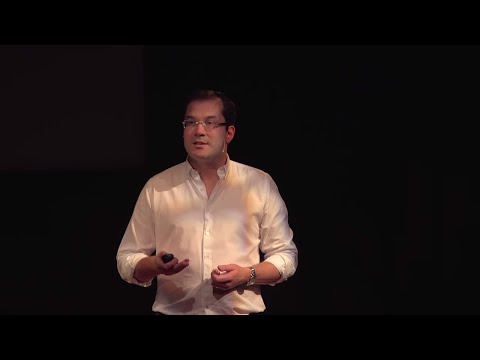
[Applause]
so here we are at a TED talk well this
is Ted and this is my Ted and in this
picture Ted is actually he’s about six
years old today actually and here this
picture he’s helping or hindering me
from doing a little bit of work and if
you know about dogs you can probably
tell there’s a hint in there that he’s
more interested in his breakfast right
at this moment in time than he is in me
and we live but of course this is the
the Ted that I do want to talk about a
technology education design ideas worth
spreading ideas for sharing and we live
in a sharing economy the world of Airbnb
uber we share experiences online all the
time on Facebook and Twitter as already
mentioned and probably you sure and I
say you do I know I share a couple of
times a day and we’re gonna do that
right now
and on this lovely evening we’re gonna
take a picture like or Allah wanted us
to we’re gonna take a selfie so if we
could have the house lights for a second
so I’m gonna take the self I’m going to
say one two three and you’re all gonna
shout selfie okay you gonna do this with
me
hope you’re promising one two three self
and we’re sharing that live on the TEDx
Twitter stream and on my own Twitter and
it’s gonna have instantly to a better
thousand people I promise with the last
time I’ll take the phone and let’s
connect about a thousand people and they
get to share maybe just a little bit of
the experience this lovely experience
that we’re having tonight at TEDx this
evening and I work with technology all
of the time I work with about 500
technology startups every year helping
them to find what we call product market
fit that is what is the problem that is
big enough and important enough that you
can solve usually with technology but
for me technology I have a bit of a
problem it’s it’s a little bit like
women if you’ll forgive me it’s
wonderful it’s brilliant
absolutely makes the world go round but
I haven’t a clue how it works and I’m
not a software engine
you’re a coder and you don’t need to be
I’m more interested in its use case the
application what problem it’s solving
and what way is going to make the world
a little bit better one step at a time
and tonight we’re talking about identity
and private lives and I think it’s
important to just look and to take a
step back for a moment and look at
technology and how it’s affecting our
sense of identity whether good or bad
it’s worth taking a look at and I’m not
the only one who thinks like that this
is Melvin Franz Berg Melvin is from the
US studied French social revolutions in
the 1800s and served in World War two
and he to his dismay studying French
social revolutions on the front lines
wasn’t a whole lot of good to him so we
studied again electrical engineering
radar technology and served in the
signals Corps and when he came back from
World War two he joined the two loves of
his life this history of social change
and the emergence of modern technology
and he formed the Society for the
history of technology and they publish a
publication you’ll have guessed already
I’m a little bit of a nerd for this but
they publish a publication called
technology and culture and I think
that’s pretty important and quite
interesting that someone thinks it’s
important to track the emergence of new
technologies and how it affects our
society our civilizations our cultures
and our identities too and that might be
from going way back when using Flint
tools from the Stone Age but more
relevantly a more modern it might be
about Gutenberg inventing the printing
press and allowing all of that shared
knowledge and learning to travel around
the world to the social media that we
use every day today Melvin also left us
with his six laws for technology you
might know one of the more famous ones
as necessity is the mother of invention
but I like his first law which says that
technology is neither positive nor
negative but neither is it neutral you
either like it or hate it it does good
for you it was bad for you but you can’t
ignore it’s always going to have an
effect on you and I think that’s
important when we’re thinking about the
amount of technology we use every day
and how that has impacted upon our lives
because I think since coming down from
the tree
man has wanted man human-beings are
species have wanted to belong to a group
we’ve wanted to be part of a community a
nation a village an army or a family
group so it’s kind of an unusual but
unique aspect of our species that we
think about our identities and ourselves
who actually we want to be part of her
group the whole time and henri tajfel
thought this as well and his major
contribution to the field of psychology
or social identity theory now social
identity theory is says that your
identity is made up a little bit less
than you might think of the me I what’s
inside and a little bit more about who
you meet who you converse with who
you’re in a network and a community with
and Henry talked about people wanting to
be in inside in groups or inside out
groups versus then could be the Serbs
and poets of some decades ago the Hutus
and the Tutsis Rangers and Celtic
whatever else and them dynamic that you
would most identify with and Henry came
to this theory interestingly a little
bit like Melvin did during World War two
Henry was polish Henry was Jewish when
Henry was put in a concentration camp he
didn’t know what group he would identify
himself as being part of in order to
give himself the best chance of survival
but survived he did and brought a social
identity theory and I think it’s really
important for us to look at that and it
makes a lot of sense if you’re a baby a
toddler a young child your sense of
identity is going to be much more
impacted by your relationships with your
family good or bad and as that child
grows up and has school friends and work
friends and romantic relationships those
people that they interact with is going
to have a much more important impact
upon their identity perhaps than than we
might have otherwise a thought and if
that’s the case and I firmly believe it
to be true and if you might start
thinking it out as well but who we meet
impacts upon our identity then we can’t
ignore what’s happening in technology
and what’s happening and the social
networks that were involved in
pace of Technology over the past 200
years has been unparalleled in the
course of human history led by
technology our population on the planet
has grown to nearly 8 billion people
caused by advances in technology and
medicine in healthcare in education and
learning and so on and if you play that
forward into the world of social
networks the connectivity of those 8
billion people is truly immense next
year two and a half billion people will
use social networks every single day to
chat convert connect learn and share
emotions with each other and that’s in a
system where there are regimes around
the world who are deliberately limiting
access to social networks because
exactly of that open connectivity and
transparency that they offer every
minute we send 450,000 tweets
some of them like Ted every minute we
send 30 million Facebook messages and
you can’t ignore that kind of activity I
know that some of those are gonna be
about what you had for breakfast right
fine but let that be the edge case when
you’re talking about that amount of data
that’s being put out there into social
networks that amount of information
that’s been shared the vast majority of
us is connection information learning
sharing finding other people to converse
with connect with and be part of our
communities and groups so social
networks have got much more important
where we reach out to people that where
we find out our news good and bad news
in the future it’s where we’re going to
manage our health care our finances our
government it’s where we tell families
that were safe in times of disaster is
where we share emotions and experiences
groups of people who we love and who
love us and the pace of growth of those
apps is stupendous I think my brother
and I were probably the first ones in
our family to use whatsapp and when we
realize how effective a tool it was at
sharing messages communications and
organizing particularly in a group
setting we invited ten other members of
our family into the family whatsapp
group or wise family the same I’m sure
many of us are part of whatsapp groups
here today but from the moment what’s up
opened the doors 18 months later they
had 450 million users using the app is
the probably the fastest take-up of any
technology ever in the history of
mankind
you can’t argue with that type of desire
by the users who want to use social
networks to connect and chat and meet
other people and maybe in the past we
would have used other forms of
technology of course we will have used
post and radio and maybe we would have
used geography I’ll see you at the bend
in the river I’ll meet you on the
Cleary’s clock and maybe that harkens
back to a time a romanticized view of
the past when we had time seemed to move
a little bit slower with more time to
engage and have deeper more fooling
fulfilling relationships with people but
that’s not strictly true times always
moved at the same pace that it always
has we just have different tools and
techniques that allow us to communicate
faster and with wider groups of people
than we ever had before so in my early
stage technology world
I asked probably about ten times a day
what’s the challenge and what’s the
opportunity and the first thing I want
you to think about when you go home
tonight is that social media is not this
strange beast that creates a new online
identity for you your identity is the
same online and offline social media is
just a tool it’s just a platform it’s
just a communication that allows you to
take your your identity and your
communications online and those social
networks will have to get better I’m not
naive I understand that there are issues
online about anonymity and privacy and
Trust but I believe that the social
networks are trying to improve those
things we see it happening at the moment
with Twitter changing the terms and
conditions because the vast majority of
their users want that platform to be
more transparent open and honest and the
platforms will move they’re only knew
the only few years old so they won’t be
able to fix it today or tomorrow but
over the coming years the platforms will
get better driven by the power of that
crowd and that power that crowd gives me
a lot of confidence the way that they
use social media to connect with each
other find each other and share social
moments and revolutions like we saw
during the Arab Spring social media is
also a lot of fun this is Ted’s Facebook
page so come and feel free to come and
connect with them and have them as a
friend social media is a fantastic
platform already for communicating with
groups of people that you might know
might get to know it allows you to share
with a wider group of people faster and
with more immediacy than we ever have
before but it doesn’t change your
identity it’s just a version of you
online and I truly believe that social
media is an extremely strong power for
good there will come a day in the near
future when social media and the
platforms like Twitter and Facebook will
give us a tool that allows every single
person in the world to be available to
connect to learn to listen to each other
to befriend and to share emotional
experiences and then we have a chance to
become what Taj felt might call a global
inside in-group and that’s an idea worth
sharing thank you
[Applause]
you
[Music]
Please follow and like us: