
[Music]
[Music]
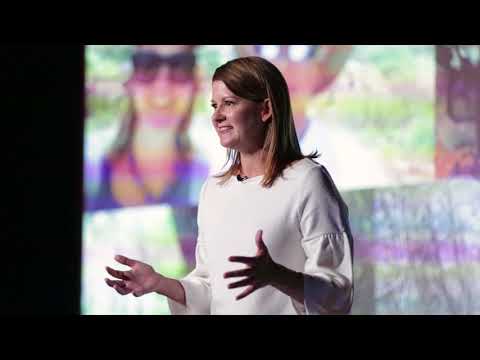
I am a philosopher how many of you have
ever met a philosopher
and if you live in Sedona and you know
me that doesn’t count okay a few of you
but not very many there aren’t a lot of
philosophers and maybe because of that a
lot of people don’t understand
philosophy some people think that
philosophy is just a cliche like early
to bed early to rise or work hard play
hard but philosophy isn’t a saying and
it’s not something you have philosophy
is something that you do philosophy is
an activity it’s a practice where we ask
and we try to answer questions about
ourselves and about other people and
about the world and doing philosophy is
really a lot of fun because it can be
interesting to learn about ourselves and
other people in the world it’s often
fascinating and there is no better place
to do philosophy than outside you see
I’m just not unusual because I’m a
philosopher I’m really unusual because I
take people outdoors to do philosophy so
I’m going to tell you a little bit about
how I got started I always loved my
philosophy classes in college but I
never thought that I could make a career
out of being a philosopher and in fact
some people and my family told me that I
couldn’t so I started out working for
nonprofits and in higher ed and I got a
promotion at work and they wanted me to
get a master’s degree and it could be in
anything so I picked philosophy and then
I just kept going and what I really
loved about philosophy which was a
little out of step with the profession
was how it helped me understand my own
life and because I had worked in
communities I really felt like
philosophy could be a resource to build
in to strengthen communities and because
I believe this I started experimenting
with ways to make this happen and I’ve
been curating public
la sofy programs for about seven years
now and I’ve been nationally recognized
for that work but it was only recently
that I discovered I didn’t just want to
take philosophy out of the classroom and
into the community I wanted to take
philosophy out into the natural world on
trails and on rivers and under the stars
you see I am lucky enough to live here
in Sedona Arizona and it is one of the
most beautiful places in the world and I
had known for a while that Sedona was a
perfect place to connect with nature but
it was only later that I realized it was
also the perfect place for reflection
and discussion so now I was not just
creating new ways to do philosophy I was
finding new places to do philosophy and
when we’re thinking about things I think
that place is actually a very important
and an often overlooked consideration we
do most of our thinking in places that
are kind of like this they’re usually
rectangular interiors and they’re flat
and we often find ourselves at straight
desks and in front of screens and
there’s usually artificial lighting
lots of artificial lighting in here
right now right and a lot of times
that’s unavoidable I do a lot of
thinking like that myself but when we go
outside into the natural world our mind
and our body and all of our senses are
activated and our creativity and our
imagination expands in nature and when
people are climbing to the top of eagles
nest the challenge of that climb can
actually reframe challenges in your life
and people have ideas on the trails that
they do not get at their desk or on the
couch so whether you’re looking at a
majestic view of cathedral rock or just
a tiny Mariposa flower these are more
than pleasant things to see they can
spark ideas about things in your life
like your relationship with your
daughter or how to deal with a divorce
or just where you are with your career
or where you’re living and just as much
as being out in nature is important so
is the conversational exchange the
collaborative inquiry where we ask
questions and more questions and
sometimes people get outside and they
ask questions they never thought of
before and this can lead to insight and
people understanding their lives in
brand-new ways so I was telling a
respected colleague about the programs I
created and how people were sending me
notes and writing me emails and how much
it meant to them and he just sat there
and he said well that’s all very nice
Andrea but that’s not what philosophers
do I know I didn’t think that there was
a universal job description for a
philosopher I mean it’s true that I
wasn’t writing journal articles or
teaching undergraduates about Plato but
I thought that there was enough of that
going on already and you know I’d had
enough success over the last few years
to realize that philosophy really can be
a real-world resource in a personal
resource especially when it’s
intentionally deployed that way I’ve had
clients in Sedona who have traveled all
over the world and talked with very
accomplished people but they’ve had
sometimes those conversations were trite
and sort of empty and they really
appreciate it having the opportunity to
reflect on their lives in a meaningful
way so I thought again about my friends
saying that’s not what philosophers do
as if it just was the case and then I
remembered the philosopher David Hume
and the is ought fallacy you see just
because something is the case doesn’t
mean that it ought to be the case and
this is connected to the fact value
distinction now most of us are used to
distinguishing between facts and values
that’s been around for a while after all
David Hume was an 18th century Scottish
Enlightenment philosopher but it got me
thinking about how stem
so often we try to settle questions of
value by stating matters of fact and
we’ve been doing this for a long time
there’s actually an iconic figure in
American culture who reminds us of this
it’s Joe Friday of the dragnet TV series
just the facts ma’am is Joe Friday is
signature line I think it’s worth noting
that Friday says this to women and then
the non-factual gets feminized it gets
trivialized I call this dragnet
deception because it assumes that facts
matter most when actually in any given
scenario it is our values that determine
which facts are even relevant as much as
we might like to put facts first our
values are always prior and they are
always in play now one reason people
like to talk about the facts is that
facts are firm you get the facts right
or you don’t
and with values we always have to make a
case and even if you make a really good
case you can’t prove it now that’s not
to say that reasonable people can’t
agree that some values are important or
appropriate in one context and not
another but even if you get overwhelming
consensus that kindness is good and it
is you can’t prove it
and people like proof just compare these
two statements I based my decision on
the facts that seems responsible and
sensible now consider I base my decision
on my values well that seems subjective
and maybe the basis is in his firm
except that
nearly all decisions are based on both
objective facts and personal values as
much and we just get comfortable talking
about facts and citing statistics so
oftentimes we can forget this but after
all Friday only wanted facts about crime
because he valued justice and putting
criminals away it was his values of
justice and law abiding this that
determined the facts that he cared about
and you know maybe his job would have
been easier if he would have listened to
the women and learned about their values
and what those women understood about
the values of other people because after
all when you’re trying to solve crimes
it’s helpful to know not just the facts
about what happened or didn’t but what
motivates people what they care about
and why so I was still thinking about my
friend who said that’s not what
philosophers do and while that was
ostensibly a factual claim the real
issue hanging in the air was whether my
way of doing philosophy had any value
and so at this point it was time for me
to do some reflection outside of course
with my friends so that I could get
clear about the values that were
grounding my work and grounding my life
and while our values and what we value
are not identical I’m going to use those
terms somewhat interchangeably because I
really think that in this fact focused
world one of the most important things
this sort of reflection can do is help
us all get clear about our values and
what we value so when I went outside I
discovered four things nature judgment
authenticity and love and I’m going to
say just a little bit about each of
those first I valued my connection to
nature because in nature I found
inspiration and creativity and vitality
and in a world
where it is so easy to become
disconnected from nature I really wanted
to honor that and I wanted to share it
with others second I valued judgment or
my ability to make considered decisions
you see since I was creating new ways of
doing philosophy I was going to have to
rely on my own discernment
and a friend reminded me of the stoic
philosopher in Roman Emperor Marcus
Aurelius who encourages us to venerate
our Faculty of judgment to act in
accordance with nature and our ruling
center our intuition third and closely
related to judgment is authenticity
really being myself an authenticity has
a lot to do with honesty and I had to be
really honest with myself and other
people about why I thought it was so
beneficial to go outside and think and
talk about things and forth and finally
there was love and this began with
self-love because even though I really
wanted my colleague to respect my work I
finally realized that it was going to
have to be enough for me to respect my
work and once I could do that which
wasn’t quite as easy maybe as it sounds
I could then let my resentment of other
people go and there’s a real peace and a
real power if we can love not just the
people that we adore but those who bring
challenges and criticisms into our life
but if you can do that it really changes
the way that you view and that you move
through this world and I certainly
hadn’t always done that but it was
important to me now and so that’s an
example of what you can discover what I
discovered by going out in nature on
trails and talking to people right about
my own values and why am i for grounding
values our nature judgment authenticity
of love
now you may notice that I didn’t try to
give a general account of values that I
think are appropriate for everybody
general accounts have certainly been
given they’ve been given by all major
religious traditions and many
philosophical ones but I didn’t give a
general account because I’m not living a
general life I’m living my own
particular life and just like you are
all living your own particular lives you
can choose you can really decide on and
you can honor your own particular values
because unlike the facts our values are
entirely up to us and we can change them
and we usually do change them and it
makes sense that we would change them
over the course of our lives and this
can happen consciously or unconsciously
but consciously is better so I invite
you to consciously decide on your values
and I recommend going outside get out of
buildings look at landscapes and talk to
someone you really respect because if
you get clear about your values it will
help you understand yourself and other
people and the world thank you
you
[Music]
[Applause]
you
[Music]
I am a philosopher how many of you have
ever met a philosopher
and if you live in Sedona and you know
me that doesn’t count okay a few of you
but not very many there aren’t a lot of
philosophers and maybe because of that a
lot of people don’t understand
philosophy some people think that
philosophy is just a cliche like early
to bed early to rise or work hard play
hard but philosophy isn’t a saying and
it’s not something you have philosophy
is something that you do philosophy is
an activity it’s a practice where we ask
and we try to answer questions about
ourselves and about other people and
about the world and doing philosophy is
really a lot of fun because it can be
interesting to learn about ourselves and
other people in the world it’s often
fascinating and there is no better place
to do philosophy than outside you see
I’m just not unusual because I’m a
philosopher I’m really unusual because I
take people outdoors to do philosophy so
I’m going to tell you a little bit about
how I got started I always loved my
philosophy classes in college but I
never thought that I could make a career
out of being a philosopher and in fact
some people and my family told me that I
couldn’t so I started out working for
nonprofits and in higher ed and I got a
promotion at work and they wanted me to
get a master’s degree and it could be in
anything so I picked philosophy and then
I just kept going and what I really
loved about philosophy which was a
little out of step with the profession
was how it helped me understand my own
life and because I had worked in
communities I really felt like
philosophy could be a resource to build
in to strengthen communities and because
I believe this I started experimenting
with ways to make this happen and I’ve
been curating public
la sofy programs for about seven years
now and I’ve been nationally recognized
for that work but it was only recently
that I discovered I didn’t just want to
take philosophy out of the classroom and
into the community I wanted to take
philosophy out into the natural world on
trails and on rivers and under the stars
you see I am lucky enough to live here
in Sedona Arizona and it is one of the
most beautiful places in the world and I
had known for a while that Sedona was a
perfect place to connect with nature but
it was only later that I realized it was
also the perfect place for reflection
and discussion so now I was not just
creating new ways to do philosophy I was
finding new places to do philosophy and
when we’re thinking about things I think
that place is actually a very important
and an often overlooked consideration we
do most of our thinking in places that
are kind of like this they’re usually
rectangular interiors and they’re flat
and we often find ourselves at straight
desks and in front of screens and
there’s usually artificial lighting
lots of artificial lighting in here
right now right and a lot of times
that’s unavoidable I do a lot of
thinking like that myself but when we go
outside into the natural world our mind
and our body and all of our senses are
activated and our creativity and our
imagination expands in nature and when
people are climbing to the top of eagles
nest the challenge of that climb can
actually reframe challenges in your life
and people have ideas on the trails that
they do not get at their desk or on the
couch so whether you’re looking at a
majestic view of cathedral rock or just
a tiny Mariposa flower these are more
than pleasant things to see they can
spark ideas about things in your life
like your relationship with your
daughter or how to deal with a divorce
or just where you are with your career
or where you’re living and just as much
as being out in nature is important so
is the conversational exchange the
collaborative inquiry where we ask
questions and more questions and
sometimes people get outside and they
ask questions they never thought of
before and this can lead to insight and
people understanding their lives in
brand-new ways so I was telling a
respected colleague about the programs I
created and how people were sending me
notes and writing me emails and how much
it meant to them and he just sat there
and he said well that’s all very nice
Andrea but that’s not what philosophers
do I know I didn’t think that there was
a universal job description for a
philosopher I mean it’s true that I
wasn’t writing journal articles or
teaching undergraduates about Plato but
I thought that there was enough of that
going on already and you know I’d had
enough success over the last few years
to realize that philosophy really can be
a real-world resource in a personal
resource especially when it’s
intentionally deployed that way I’ve had
clients in Sedona who have traveled all
over the world and talked with very
accomplished people but they’ve had
sometimes those conversations were trite
and sort of empty and they really
appreciate it having the opportunity to
reflect on their lives in a meaningful
way so I thought again about my friends
saying that’s not what philosophers do
as if it just was the case and then I
remembered the philosopher David Hume
and the is ought fallacy you see just
because something is the case doesn’t
mean that it ought to be the case and
this is connected to the fact value
distinction now most of us are used to
distinguishing between facts and values
that’s been around for a while after all
David Hume was an 18th century Scottish
Enlightenment philosopher but it got me
thinking about how stem
so often we try to settle questions of
value by stating matters of fact and
we’ve been doing this for a long time
there’s actually an iconic figure in
American culture who reminds us of this
it’s Joe Friday of the dragnet TV series
just the facts ma’am is Joe Friday is
signature line I think it’s worth noting
that Friday says this to women and then
the non-factual gets feminized it gets
trivialized I call this dragnet
deception because it assumes that facts
matter most when actually in any given
scenario it is our values that determine
which facts are even relevant as much as
we might like to put facts first our
values are always prior and they are
always in play now one reason people
like to talk about the facts is that
facts are firm you get the facts right
or you don’t
and with values we always have to make a
case and even if you make a really good
case you can’t prove it now that’s not
to say that reasonable people can’t
agree that some values are important or
appropriate in one context and not
another but even if you get overwhelming
consensus that kindness is good and it
is you can’t prove it
and people like proof just compare these
two statements I based my decision on
the facts that seems responsible and
sensible now consider I base my decision
on my values well that seems subjective
and maybe the basis is in his firm
except that
nearly all decisions are based on both
objective facts and personal values as
much and we just get comfortable talking
about facts and citing statistics so
oftentimes we can forget this but after
all Friday only wanted facts about crime
because he valued justice and putting
criminals away it was his values of
justice and law abiding this that
determined the facts that he cared about
and you know maybe his job would have
been easier if he would have listened to
the women and learned about their values
and what those women understood about
the values of other people because after
all when you’re trying to solve crimes
it’s helpful to know not just the facts
about what happened or didn’t but what
motivates people what they care about
and why so I was still thinking about my
friend who said that’s not what
philosophers do and while that was
ostensibly a factual claim the real
issue hanging in the air was whether my
way of doing philosophy had any value
and so at this point it was time for me
to do some reflection outside of course
with my friends so that I could get
clear about the values that were
grounding my work and grounding my life
and while our values and what we value
are not identical I’m going to use those
terms somewhat interchangeably because I
really think that in this fact focused
world one of the most important things
this sort of reflection can do is help
us all get clear about our values and
what we value so when I went outside I
discovered four things nature judgment
authenticity and love and I’m going to
say just a little bit about each of
those first I valued my connection to
nature because in nature I found
inspiration and creativity and vitality
and in a world
where it is so easy to become
disconnected from nature I really wanted
to honor that and I wanted to share it
with others second I valued judgment or
my ability to make considered decisions
you see since I was creating new ways of
doing philosophy I was going to have to
rely on my own discernment
and a friend reminded me of the stoic
philosopher in Roman Emperor Marcus
Aurelius who encourages us to venerate
our Faculty of judgment to act in
accordance with nature and our ruling
center our intuition third and closely
related to judgment is authenticity
really being myself an authenticity has
a lot to do with honesty and I had to be
really honest with myself and other
people about why I thought it was so
beneficial to go outside and think and
talk about things and forth and finally
there was love and this began with
self-love because even though I really
wanted my colleague to respect my work I
finally realized that it was going to
have to be enough for me to respect my
work and once I could do that which
wasn’t quite as easy maybe as it sounds
I could then let my resentment of other
people go and there’s a real peace and a
real power if we can love not just the
people that we adore but those who bring
challenges and criticisms into our life
but if you can do that it really changes
the way that you view and that you move
through this world and I certainly
hadn’t always done that but it was
important to me now and so that’s an
example of what you can discover what I
discovered by going out in nature on
trails and talking to people right about
my own values and why am i for grounding
values our nature judgment authenticity
of love
now you may notice that I didn’t try to
give a general account of values that I
think are appropriate for everybody
general accounts have certainly been
given they’ve been given by all major
religious traditions and many
philosophical ones but I didn’t give a
general account because I’m not living a
general life I’m living my own
particular life and just like you are
all living your own particular lives you
can choose you can really decide on and
you can honor your own particular values
because unlike the facts our values are
entirely up to us and we can change them
and we usually do change them and it
makes sense that we would change them
over the course of our lives and this
can happen consciously or unconsciously
but consciously is better so I invite
you to consciously decide on your values
and I recommend going outside get out of
buildings look at landscapes and talk to
someone you really respect because if
you get clear about your values it will
help you understand yourself and other
people and the world thank you
you
[Music]
[Applause]
you
Please follow and like us: