
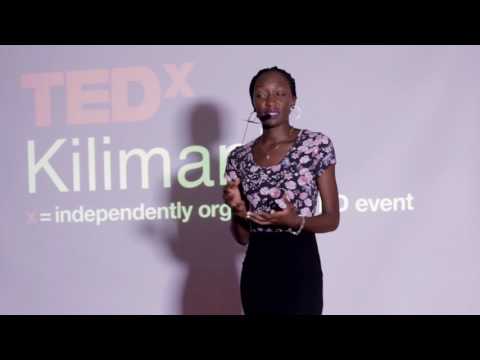
so I grew up in Nairobi and I think it’s
safe to say that for the most part I led
a relatively privileged life so I’ll
focus on health care because that’s what
I do so as far as I can remember I’ve
always had insurance under my parent’s
insurance carbine which was very
comprehensive I mean I would sneeze and
my mom would rush me to the hospital if
I had an earache I’ll go today and tea
if my ass were painting wouldn’t even go
to the general practitioner we’d go
straight to the woods keep all those
steps and just go straight to the
specialist and so I was quite privileged
and I knew that not everybody had access
to health care the same way that I did
but it was just an abstract thought it
wasn’t something that I had actively
seen you know I’d click at close
quarters I knew it existed somewhere the
back of my mind it existed and things
changed last year so two things happened
in no particular order so first I turned
a certain 20-something and my parents
are like okay you’re too old
go find your own insurance cover and I
will make okay right where do I start
and then the second was being posted to
work in Yolo I had just graduated I was
a fresh doctor I was ready for life just
so excited to go and work and I actually
chose to go work in Ennis Yolo Yolo is a
small semi-rural town it’s about 200
kilometers from Nairobi and I wanted to
work there because like I said I’ve
grown up in Nairobi my whole life and I
would just want something different and
so I got there and the healthcare was
drastically different from anything I
had ever seen you know you you saw what
poverty was and you see how a failed
system leads to not the opposite of
development not even stagnation you are
identified like Dee developing that’s
what she would be doing so yeah that
happened and I I saw a lot of cases and
you know not to paint the most green
picture it’s not all doom and gloom but
there are certain cases that you see and
they they strike you so I’ll tell you
about one case that I saw and I hope
it’s not to go yeah so when I was in my
surgical rotation I had this patient and
he was about 15 years old he’d been sent
to our Hospital our Hospital is a County
Hospital it is the main hospital in the
county and so everybody from all around
the county comes to that one hospital
for advanced care so he came in and he
had had a swelling around his knee for a
while and the primary health care worker
who had seen him in his town
you fight him to be seen by the surgeon
now we only have one surgeon in the
county one surgeon who serves around
300,000 people so just to digress a bit
if this legend goes on leave there is no
surgeon in the county there is no a
general surgeon
that means the surgeon cannot go and
leave or people don’t get sick when he’s
only you know one of the two has to
happen so he came and we examined him
and we did the tests that we could do in
our facility and everything clinically
pointed to cancel the bone now with
cancers you need a definitive diagnosis
you need someone to write a report that
this is cancer
you cannot just tell somebody oh you
have cancer let’s catch a leg or not our
thing to do so the way forward for him
would have been to an amputation and
like I said you can an amputation is a
life altering cost of treatment and so
we had to get her definitive diagnosis
and so we tell them this is what we need
and we don’t have a pathology lab in my
County you don’t have a pathology lab
the next County so that meant that we
had to send the sample from Yolo to
Nairobi now remember that’s 300
kilometers and we had come from a town
300 kilometers from is Yolo
and so the family says we can’t avoid we
cannot afford to send the sample we have
children to feed and clothe we have a
family to take care of we have five six
children and you’re telling us to spend
all our money to get a diagnosis that
may not even be so they said they were
going to go and come back with money and
so they left now concert doesn’t wait
when it’s come it’s come he doesn’t
matter if you have money or if you don’t
have money so around two months later
they came back and they came back
because he had gotten worse and so the
first time I saw him he had lost weight
and he was not he just looking horrible
his leg had swollen now completely he
couldn’t even lift it up and it looked
again clinically like it had spread so
he told the family what had happened and
they had some patch of the money and
somehow they managed to raise the rest
of the money and so he sent the sample
and it it was confirmed but it was too
late it had spread to his lungs dispatch
is born this is a 15 year old boy so
then they asked what is the way forward
at this point normally when that happens
you try to take the course that is that
you cause the patient used the least
amount of pain and so which was a Maki
we could still amputate but he still
would not have that long to last so to
cut this story short we amputated and
then he died two days after amputated
and this for me was really sad because
he was 15 he was just hit just at high
school he was a young life he was the
first time we saw him as a vibrant and
by the time he died he you know had lost
life he just kept saying I am tired
let me just school and for me it was
very shocking because I had just come
from a place where I said if I sneezed
my mom rushed me to a hospital and this
is a family that had to choose between
feeding their other children and taking
them to school and getting a diagnosis
and cheating
the other child and so universal health
coverage ensures that that doesn’t
happen for me such cases are the reason
that every single person particularly in
Kenya needs to embrace universal health
coverage because what it does is it
makes sure that everybody all of us can
access the best care without suffering
financial hardships now random question
how many of us have been called to
fundraise for somebody to get a
transplant or before chemo or something
yeah everybody it’s abnormal guys it’s
not normal that shouldn’t happen all of
us most of us actually most Kenyans are
just a disease away from going into
poverty if today automating something
else know that I don’t have insurance if
today I got cancer I would have to you
know use up all my savings and call my
family and friends to help me pay those
bills I will have come from kind of
middle class to poor that’s not
sustainable so health health is an
essential part of sustainable
development both at a personal level and
at a national level no person no
government can go on with an unhealthy
nation because healthcare is expensive
healthcare is very expensive yeah so for
me that’s one case there are many others
that I could tell you and the many
others that everybody has seen when
you’ve been called to fundraise for
charities and even culture and jails so
universal health average has six
essential pillars which I’ll run through
I hope I don’t sound like a lecture so I
just wink at me if I do not stop
so the first pillar is an adequate
motivated and well remunerated workforce
that means you need more doctors you
need enough nurses you need casually
Brazeal demonstrators such that there is
not one surgeon in a whole county and
that’s just a general surgeon so it
shouldn’t it’s not normal to have a
situation where
if I have a brain issue I have to leave
Garissa or Schmoyer lay which is 800
kilometers to come and see the one year
a surgeon in the country here it’s
unsustainable so that’s a first Villa
and you need to pay them properly
I won’t refer to this later the second
thing we need is services so one of the
other things that I’ve seen a lot is we
get women who come from very far off to
come and have a cesarean section a
theater is something that every hospital
should have every health facility I
shouldn’t have to leave my locality to
go and give but some somewhere else you
know math is a normal thing pregnancy is
normal it’s something that we should get
do i when i go to my hospital do i get
an x-ray immediately or do they tell me
oh the x-rays broken down we need to go
and do it in another hospital and come
back with the results here the third
thing is products you need medication
and i think i don’t think that a lot of
us grasp how important medication is
because a lot of times and this this you
can this is not unique chrysalis is
generally public hospitals there are
times when you don’t have you know basic
antibiotics and so what does that mean i
could come with cholera and let’s say
there no antibiotics you don’t cheat me
and all of you will get sick my health
isn’t just mine it’s everybody’s your
health affect my health so I need you to
be healthy so that I don’t get healthy
and you need me to be healthy so that
your mother is healthy
yeah and the fourth is policies so on
this I think is this is one over I think
the most important aspects because even
if we have doctors and even if we have
services anyway if you have drugs if you
don’t have policies set in place if you
don’t have a system set in place that
ensures that these things are propagated
it will fall because you will you can’t
have universal health coverage for one
day and then expect that without systems
it will go on yeah so we need to call on
our leaders to say health is a priority
don’t
act like it’s a privilege no health as I
write it’s a right to basic right no
human should ever have to die or suffer
because of something that could have
been cheated easily the fifth thing is
finances and this is the biggest issue
for most countries is how to finance do
we raise people’s taxes and everybody
will be up in you know everywhere saying
no we don’t want taxes raised do we use
private companies do you use community
insurance in Kenya we use the national
health insurance fund which I don’t know
how many of us know exists you know you
know in our formal employment I didn’t
know until somebody pointed it out to me
but if you’re formally employed it’s an
automatic deduction if you are not in
formal employment or you’re
self-employed it’s not an automatic
deduction and so you need to go and make
it but the other reason that finances
are a problem is cause especially in
Kenya for a very long time a lot of
people have been skeptical because we
have had cases of corruption and work on
turbidity and money just disappears and
so the general feeling is why should I
pay for money that is not even coming
back to me why don’t I just go and take
care of myself
but what we don’t share lies and what I
said earlier is that your health is not
just yours everybody’s health affects
everybody’s help if I pay my
contribution it means that I am putting
money into this sack and so the
government can use the money in the sack
to put medication in Samburu and so that
woman in Samburu is well taken care of
because of my contribution and the same
thing all over we all contribute so that
we all benefit and especially those who
are low-income the last thing is
information because we we need to
realize that preventive medicine is a
strong pillar and they say prevention is
better than cure
and it’s true if you can prevent
diseases then you spend less on cheating
those diseases
so those are the six pillars of
universal health care I hope I don’t
have to repeat them because I will turn
the collector so yeah and and what
universal healthcare does is it ensures
that anywhere I go I have my dad usually
says you have to think about things
selfishly so oh and I’m going to give an
example I grew up in Nairobi most
Robinson here
but should I travel to up country to my
countries Western so it’s about 500
kilometres if I get into an accident in
the middle of nowhere I’m a shred of the
best health care there if you think
selfishly if you think I want to have
the best health care there as in Nairobi
so that I don’t have to wait for six
hours because anything can happen in six
hours then you will pay then you will
understand why it’s important that even
if there’s a chance you may not use that
health care but you never know at some
point it may be important so to
reference the doctors check which
happened recently the 100-day doctors
check as one of the doctors who was on
strike we got a lot of mixed feelings we
got doctors at GD and we got doctors are
selfish and we got doctors at dramatic
which for me was very strange and we got
you’re exaggerating and he said no we’re
not exaggerating I could write a story
for every day and every one of them is
as drastic as the other and that’s what
we were fighting for for universal
health coverage so that nobody that that
mother in my hospital when the petition
is on leave I don’t have to tell her or
you have to go to the next County when
she already patted with 500 shillings
which she didn’t even have in the first
place to come there and get the
treatment so most people say oh but you
know we live in a third-world country
that’s not possible it’s a pipe dream of
ambitious maybe but achievable certainly
and I think that people work well with
example so I’ll give an example of one
of our neighbors so Rhonda is actually
one of the countries in the world one of
the six countries in the world which has
managed to
universal health care they’ve come from
seven percent coverage ten years ago to
97 percent coverage today we are at
around 15% we still have a long way to
go but there is hope and what Rhonda did
was they set up a system where money is
most of the money is is accounted for
locally and so I shall local level in
our case but the counties the governor’s
they will be given the money for health
and they will set targets and they will
be held at both but those people are not
just accountable to their leaders
they’re accountable to their people such
that if I go to a hospital and there is
no x-ray or there are no drugs I can
walk to the governor’s office and ask
him where is the money that you got why
don’t I have health care
why is my grandmother coming all the way
from wherever she is to here to get that
health care why doesn’t she have it
there and so that’s what Rhonda did and
they have seen tremendous improvement
they’ve had in the last 10 years they
have had the child mortality rate the
malaria mortality rate has gone down 2/3
and people are living 10 years longer
and that those are just minor things
imagine if we could add chemotherapy
imagine if we could add dialysis imagine
if we could add transplants so at the
very basic level what universal health
coverage does is it ensures that I can
just access the most basic thing you
know and then you build up from there
and other cuts Mexico China Oman Turkey
silent they have all managed to do that
so if they have done that then we can
get there as well so my challenge to you
today as I finish is if you pay for your
any child you pay because while it’s on
your salary
you don’t really have a choice but does
your watch maintain does your mechanic
pay the personhood of the muchacha here
do they pay so what I do when patients
come to see me I ask them do you have an
initial cut if you don’t go pay 250
shillings for most at the very basic
level
and that ensures that when you walk into
a hospital you can get anything you need
because it’s very sad to see somebody
die from something that could have been
prevented or they may not die they will
get better but they will have no home to
go to because they sold their home yeah
so today when you leave please make sure
that everybody you talk to everybody who
is formal or informal just make sure
that they are paying because health care
is our priority above everything else in
life for me at least thank you
[Applause]
you
Please follow and like us: