
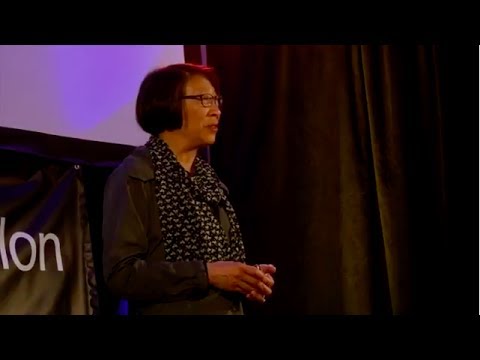
so I never thought I would get involved
in politics
or become a community advocate when I
was a kid my first experience was in
second grade in mrs. Lucis class she
announced at the beginning of the school
year that everybody got to be class
president for the week the class
president stood up in front of the room
and led edge of allegiance and we sang a
patriotic song like my country tis of
thee and then we got to be the line
leader to the lunchroom in the
playground now you would think most kids
would be thrilled to be class president
and get all that attention but not me I
was doubtful in fact I was fearful the
previous year at the tender age of 7 I
experienced racist harassment threats
bullying and violence a group of girls
in my class decided they just didn’t
like the way I looked and you here to
see my first grade class no one looked
like me and so they started calling me
names like dirty Jap and they chased me
on the playground they knocked me down
they tore my dress and they kicked me so
obviously I was traumatized about school
but my mother who I admired greatly for
a number of things cleaned me up
prop me up and gave me these words of
advice work hard keep your head down and
don’t say anything that’ll get you in
trouble
in fact you’ll say anything at all and
then you won’t get in trouble so to put
my mother’s advice in context she and my
father emigrated from Hawaii to Oregon
after World War two back then Hawaii was
not a state it was known as the Hawaiian
territories and if you know the history
of Hawaii the US government forcibly
took the land from the Hawaiian people
they took our land our culture our
language and our religion even after
even though my father and all my uncles
joined the military after the bombing of
Pearl Harbor at the end of World War two
when my parents came to Oregon the
government didn’t treat them well
they weren’t allowed to vote interracial
marriages were against the law they
weren’t allowed to live in certain areas
in town in addition the experienced
racist threats harassment and
intimidation by businesses and other
people back then after the war the
sentiment against japanese-americans is
pretty strong even though my family
isn’t Japanese pretty much of these
people we all look the same
so we experience that as well so how
could I believe my second grade teacher
that being president was a good thing if
the government treated my family this
way it made me think about what could I
do to make this world a better place for
people like my family and other people
like us where could I get started so
mrs. Lewis’s advice and lesson in second
grade taught me how to start engage with
people who don’t know anything about
government second graders or people who
have been treated well by government
immigrants refugees or people of color
so civic engagement as we heard has
several terms that you may have heard
such as public involvement citizen
participation community outreach there’s
nuance definitions to these terms and
different techniques but let’s just
start with the basics so if akin gage
Minh Tweed be easy if we all thought the
same look the same spoke the same
language such as my friends here these
honey bees a colony of bees has a
fascinating communal living being that
they do they all work for the queen and
they live and die for the queen well
this is a great model for a community
this is not our community this is our
community that everybody this is our
2017 Rose Festival Court these young
women come from all over the city with
diverse backgrounds religion and
language representing the new leadership
for Portland and with new leadership
comes the need for new methods of
engagement and governance
whether you work for business nonprofit
government or education the business
case is clear our rapidly changing
demographics technology economy and
politics mean means we need to be
thinking outside the box we need to be
creating new models for planning for our
new future and we’re on the cutting edge
of doing this here in Portland
our team of multicultural collaborative
are developing innovative approaches for
civic engagement for our communities in
the future we are working with
government institutions and
organizations to build capacity in their
institutions to engage with community
now you may be thinking did I hear her
right are they saying is she saying
building capacity in our institutions
isn’t civic engagement working with
underserved underrepresented
marginalized communities so who turned
the tables here so if you think about it
how our governments were formed the
history of government so you see these
people in the room here do you think
these people engaged civically when they
created our government you think they
talk to their wives their daughters
their slaves probably not do they look
like any of you in this room so the
model of engagement and how our systems
of built are built on inequity but we
are working with our community partners
to envision a new future for our city
and here’s how we’re doing it one of our
colleagues James Rojas works with
community members to think about how
they interact with the city oftentimes
he uses toys and random objects to help
people visualize their neighborhood
spaces here he’s working with some kids
from the hacienda cdc housing to help
them envision redevelopment of some of
their affordable housing properties
these kids here speak four different
languages and they work together to
build this model and they called it
awesome APPA lists
it’s great working with Apollo the
asian-american Asian Pacific American
network of Oregon we’re building
innovative approaches for multilingual
multi-ethnic and multi-confessional we
connected this workshop in five
different languages so from engagement
the concept to reality this is the Jade
night market located in the heart of
Portland and South East 82nd Avenue
we’re working with upon ou to create
economic empowerment community
stabilization and advocacy frameworks to
combat displacement in this richly
diverse neighborhood our cohort from
momentum Alliance whose mission is to
empower youth to build social justice
leaders are teaching us about public
policy as it relates to transit advocacy
reproductive justice gender and racial
equity and they’re helping them raise
their voices to be leaders in our
community working with Verde we worked
with the Cully kids to help develop safe
pedestrian access to Cully Park so how
do we do this it’s not a secret
our team of multicultural professionals
have lived experience of racism
oppression and colonization we also
bring a wide network of social justice
leaders government officials
community-based organizations and
elected officials we build trust and
relationship with all of the people in
the communities that we work we are also
subject matter experts in affordable
housing public policy urban design and
transportation and our model of change
is to work with communities to empower
them to raise their voices and lead with
their strengths and their with
and to encourage governments to share
the wealth of pub of leadership
decision-making and public investment so
we share our best practices we’ve
learned a lot with the groups that we’ve
worked with and this is always a
learning experience because there’s such
a diverse community that we have here in
Portland so I’m going to share with you
a few of the best practices that we’ve
learned first wet is show up go to
places that you normally go don’t go to
go to a new restaurant that’s somewhere
outside your neighborhood that has
serves some other type of ethnic food
better yet come to the Jade night market
the summer in August next is build
relationship and Trust volunteer in
organizations of different events better
yet put your money where your intentions
are donate to a candidate of color
that’s running for office or many of the
nonprofits such as the social justice
fund that raises money to donate to
small community-based organizations
learn and understand the systems of
oppression the history and institutional
inequities that marginalize not only our
communities but also within your
organization’s you can attend a race
talks at Kennedy School how many people
have attended one of those great and
lastly learn to dismantle the systems
that lead to these inequities a best way
to start is start with yourself or get
your house in order there are many
people and resources available that will
help you conduct equity assessments
strategic planning and training so one
thing I’d like to share with you that
you can take away with you right now
open your eyes to the places that you
frequent every day you’re in the grocery
store your neighborhood your kids school
your workplace are there diverse voices
and leadership there and if not ask
yourself why
what are the systems that have prevented
having this diversity in your
neighborhood in the places that you go
and then you can use some of the best
practices that I just shared to begin
your journey to build capacity the join
us in building a more just and equitable
future for us all so I’d like to share
that my mother’s advice really stayed
with me you know it helped me understand
the struggles that she endured raising a
family in a hostile environment and
government but also how I also helped me
find my voice in the world to raise that
and others to help build a more just and
equitable future and not getting too
much trouble so I’m going to leave you
with bell hooks and this is the work
that we do and I hope you will join us
in that there must exist a paradigm a
practical model of social change that
includes an understanding of ways to
transform consciousness that are linked
to transforming structures thank you
[Applause]
you
Please follow and like us: