
[Music]
you
[Music]
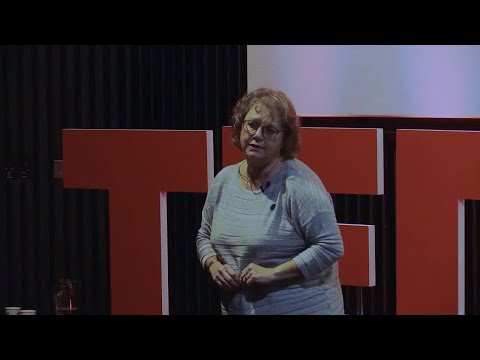
okay I want to try this we’re gonna
split you into four groups I’m gonna
invite you to follow me okay so we’re
gonna have this agree I’m gonna freak
the cameras out now cuz I’m going to cut
off the the red spot this group here
okay so what’s quite important so this
group here brilliant yeah
[Applause]
[Applause]
okay you ready
[Applause]
[Applause]
[Applause]
you stop you ready I’m coming
[Applause]
[Applause]
finish now 2 1 X and give yourselves a
clap ok well how do you feel now we’ll
do this place hey we do this through a
show of hands if you feel exactly the
same as you did when you came into the
collection this morning you’ll go like
that
if you feel on top of the world you
could take anyone on we’re up here and
if the only thing that’s stopping you
from getting out of this building now on
your neighbours you don’t disturb them
you down here so 1 2 3 how do you feel
awesome awesome says it’s fair to say we
all absolute fault something and even
those who maybe chose not to join in
which is okay Klee invited you you had a
choice maybe we’re sitting watching
everyone else they’ll feel something
probably smugness or something like that
another question who here will could see
themselves as a musician yeah ok
so if we could if we agree that our
hands our instruments or voices our
instruments we were just creating a
piece of music there as a whole group as
an ensemble I was conducting you as a
conductor
he stops dynamics that works you
technically were all musicians but for
me the important thing is that you felt
something now then what if we could save
money for the NHS what if we could
reduce street crime or any crime what if
we could slow down the process of
dementia increase and speed up the
process of healing what we could extend
life and race standard in schools what
we can and we are and we’re doing that
through music more precisely we’re doing
that through community music now I say
the notion of community music and not
music education not music therapy
learning an instrument because it’s more
than that is more than learning a
technique and a skill it’s more than
translating a sheet of paper or making a
sound out of an instrument so what is
community music music with people that
work Center and when you think of or if
you think of the communities and the
number of communities we could be
working with and think of the number
differs Andris it’s not surprising that
it’s actually quite hard to make a
single definition of it
in fact the wonderful Katherine Dean who
for many years was the director of sound
sense the UK’s leading community music
organization once said it’s not about
creating or having a definition it’s
more about a three-part test one
Community Music is about working with a
professional musician any music genre
now I’d say community musics about
working with a deluxe professional
musician and I say Deluxe because it’s
not just a musician who can play and
perform but is a musician who can listen
you can collaborate who can reflect
who’s flexible and will collaborate with
the group of people to make a
participatory piece of music to
community music is about inclusion and
it is the practice of diversity where
there shouldn’t be any barriers whether
that’s physical emotional or economical
and everybody can take part and three
community music can happen in any
community and it must reflect the
context of which is happening the
context of the place you just created a
piece of community music so for me
community music is an absolute brilliant
tool and it’s more than just music
making it’s concerned with the other
elements of life be that social
emotional be that psychological that
need that geographical it’s the
principle of facilitating a group in
collaboration agreeing a process feeling
ownership and collaborating together
it’s an inclusive practice or as per
fish professor Lee Higgins from the
International Center for community music
at Saint John’s University York would
say it’s an act of hospitality and for
me a facilitator within the sector it’s
really important for me to value and to
acknowledge why a person wants to take
part and what they want to get out of it
why now why here and why with these
people
and if I can get those three elements
right then we can embark on a inclusive
creative journey which values or
everybody’s contributions it creates
equality empowerment and added to the
adage that I really believe that
anything is possible and everything is
achievable it’s a win-win situation
where every party stands to gain so let
me give you some examples of this in
practice a few years ago the Grantham a
Grantham local paper had a headline
which basically said youth crime had
been reduced by 80 percent it went on to
describe a project the soundings have
been working on over the summer with
young people now fair enough if we have
a project on young people come to it and
they’re not there to because instruction
that’s fine and it’d be fine if it was
only for one day but the project went on
all summer and young people voluntarily
kept coming back they were engaged in
music and indeed the crime rate went
down in the town – a couple of weeks ago
we ran a adult vocal workshop as part of
the British Council world Voice project
that’s been happening we’re and the
workshop in a county council building
mile cross mile cross used to be an old
maternity hospital way back way and
after they had the baby the the woman
had to convalesce and couldn’t have any
visitors and one of the participants
vividly remembers being held up at the
window to wave at mum and her newborn
sibling that day a song was created a
wonderful heartfelt song would create
the actual day was about sharing with
our visiting singers from Ethiopia and
Jordan who were in the county and
working with a UK facilitator about
choir repertoire extensions at
songwriting but the UK facilitator
embraced the context of which she was
working and the memories of the
participant to make it a truly mental
experience three a young man in
residential care haven’t spoken for 12
months no he hadn’t yes he had 12 months
I keep thinking that 112 years ago
that’s a long time not to speak Haddon’s
hadn’t spoken for 12 months six weeks
and to having his music sessions he was
talking to our facilitator about the
actual residential home and the school
and he’s often caught singing now and
heard singing wonderful wonderful music
is just entertainment it’s therapy and
we have no money I was told by a rather
senior NHS professional worker it took a
16 minutes to be discussing the
possibilities of non called musician and
we talked about it in light of staff
retention and increased number of
procedures we were able to do that
because soundings have been working in
the united hospitals in Lincolnshire
severally several years now and the
impact we’ve had on the wards certainly
for increasing the number of blood tests
and Pediatrics doctors and nurses are
happy because young people play music
doctors and nurse are happy because
they’re not having to drag the patients
from under the beds for their their
blood tests or even prize them out of
cars are they’re quite scared mum dad
and carers are happy because they see
that their sons and daughters have got
creative aptitude and actually getting a
new hobby and the patient’s happy
because I’ve created a ringtone or they
created a track which you can download
later it’s a win-win situation
but music and community music doesn’t in
fact change just through making music I
once got a phone call number of years
ago exciting member of the community to
say to tell me that the Britten Sinfonia
were going to be playing caster and
nothing wrong in that I’m a cellist I’m
a conductor and this type of thing I
like to go see concerts what was
brilliant for me was for 10 months I’d
worked with a music group fundraising
talked to the orchestra picking a
program finding a venue doing the
marketing and the community is
absolutely embraces project a point of
fact absolute ownership of the project
and they’re ringing me to tell me it so
for me tick job done I was fantastic and
finally the young woman in care who
haven’t had a baby at 15 feels isolated
and stigmatized and one go through the
children centers to the mother and
toddler classes where she worked with a
benardos care worker and using music as
a tool
learn to play with baby and build
self-confidence to the point where she
goes to the Children’s Center and she
makes new friends and she shares her
skill and we have to thank the benardos
care worker for taking the time to use
music as a tool to change his young
woman’s life and to help her to be
socially mobile there’s lots and lots of
examples of community music and there’s
also lots of examples about the power of
music itself what it has on the brain
we know singing makes you brainy and
before get too exciting you could start
young but he does it also has health
benefits for breathing and everything
but it’s interesting when we get to
think about the larger agendas of life
the social inclusion social mobility
personal development even larger agendas
of economics or call or cost-cutting we
don’t automatically find ourselves going
to this evidence we need to think
outside the box
we mustn’t underestimate the power of
music whether that’s in our homes within
communities our schools even our
workplaces it is fun it is entertaining
and it is delightful
it’s wonderful job to do and it’s called
community music and it is a tool and it
can be so much more and so much more
it’s available to everybody you felt
that you create a piece of community
music being this talk so if you could
find something that made you smile that
made you share with somebody that helped
you to learn that probably saves you
money why wouldn’t you use it so yes we
can’t reduce and save money for the NHS
yes we can slow down the process of
dementia yes we can speed up healing
community music the power for change I’m
Nikki Kate ace thank you for listening
[Applause]
Please follow and like us: