
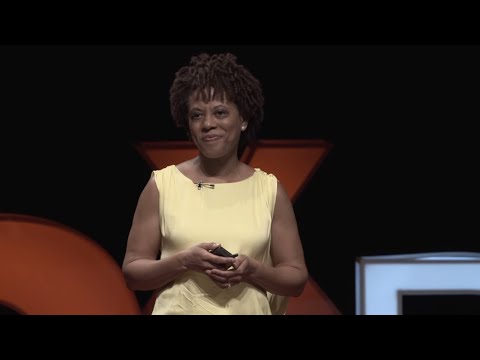
[Applause]
my name is melody and that’s not an
accident I grew up in a home where drama
and dance and music were everywhere if
there was a lesson I was going to take
it piano violin flute ballet and if
there was a band I was going to play in
it I loved nothing more than marching
under the bright lights of Richmond City
Stadium on a Friday night leading the
Jefferson Huguenots with marching
Trojans well that music you heard that
was the happy pal stomp and it was
played by Johnson’s happy my great-uncle
William Allen and we called him uncle
Beck was a member of Johnson’s happy
pals
he played with them from the late 1920s
until the early 1930s they toured up and
down the east coast and they even played
the famed saveloy Ballroom in New York
City now by now you probably have a
sense that the arts have always been a
life force for me even in my craziest
days working in the United States Senate
and they were crazy I would leave my
desk and I would take acting classes at
the studio theatre acting conservatory
you could find me an improv pretending
to be a tree or I took watercolor
painting classes this is one of my yet
to be completed masterpieces
my best friend had the same reaction in
fact she told me that she was a little
bit surprised that I was going to share
this with you she was stunned that I
even still had it and she told me once
that if I ever ever saw anything that
looked like this in nature I should run
well you may never find this hanging in
1708 gallery and you will probably never
find me acting at the virginia rep but
that’s not the point the point is that
those painting classes and those drama
classes they gave me profound joy and
they changed me when I returned to that
desk in the United States Senate I saw
things differently in fact challenges
that I had weren’t so challenging and
solutions that had been out of reach
were all of a sudden within my grasp my
guess is that many of you have had the
exact same experience with the arts so
here’s my question for you do the arts
just change people I don’t think so I
think that the arts also change places
Richmond is a city that has been shaped
and defined by the Arts telling people
who we are and what we do
dramatically reshaping our landscape and
our architecture adorning our
communities and bringing us together and
sometimes tearing us apart the arts are
reflection of our shortcomings and our
aspirations our vision and our values
for better or for worse you remember I
was telling you about my great uncle
uncle Beck he wasn’t just a jazz bassist
he was a phenom
talent he played with some of the great
artists of his time but they like so
many african-americans of that period
were relegated to the chitlin circuit
the clubs were only blacks could play
because of segregation that legacy you
know still lives with us today
in fact uncle bits parents my
great-grandparents had a farm on the
east side of the city and when they
owned that land it was flourishing and
vibrant and green when they sold it now
some of our fellow residents live there
in grinding poverty some of the highest
concentrations of poverty on the East
Coast here in Richmond in Creighton
Court so on the one hand we have these
long-standing deep-seated challenges and
on the other we have these enormous arts
assets what if what if we were bolder
with the arts this is a promise that we
made to our city a commitment to our
city three years ago we said that we
were going to make Richmond a place of
opportunity for absolutely everyone who
lived here so if this is our moonshot
then why can’t the art be the rocket
booster to get us there we know that
Richmond has a vibrant arts and cultural
community in fact it’s one of the
reasons that my husband and I wanted to
move back here 18 months ago and I was
so thrilled to move back home but let’s
get real in a city where life expectancy
differs by 20 years depending on whether
you live in Gilpin court or Westover
Hills we have a problem but the solution
I proposed builds on work that I know
many people in this room have started
and have been working on for a very long
time because in this room I know that we
have
eaters from the Richmond Performing Arts
Alliance from spark from Ella from art
180 from the Opera the ballet the
symphony we’ve got leaders from all of
these great cultural programs because we
are programmed rich but system poor so
what if we thought about this a little
bit differently tonight
what if whether you’re a business leader
or a nonprofit leader whether you’re a
volunteer or elected official a student
or an artist or someone who can barely
carry a tune what if we all believed
that the arts could be transformational
for our city and then we acted with
urgency and in coordination and with an
eye toward scale to deal with the
challenges in our public schools to
build education to employment pathways
for our residents and to finally finally
deal with the stuff that just held us
back for far too long so first let’s
talk about our public schools whether
you’re a resident or a school leader you
know that we are not providing an
excellent education for every child in
Richmond public schools in fact in parts
of our city we are struggling to provide
a sufficient education to most and yet
this affects absolutely everything that
happens here our crime rate whether or
not employers want to locate here health
care life expectancy our housing
patterns it affects everything that
happens here so why don’t we think
differently about using the arts to deal
with these challenges I believe that we
have a way forward if we think about
these challenges and if we recognize
that we’ve got a way to get better
educational outcomes for our students
there’s a wonderful program called
turnaround arts see we’ve got turnaround
arts fans in the audience for the rest
of you let me tell you about it it’s a
program that exists in 17 states and the
District of Columbia and its sole
purpose is to bring resources into our
schools the lowest performing schools
I’m talking about the bottom five to 10
percent of our schools so that our kids
can get better educational outcomes
those resources are things like coaches
to work with our teachers instruments
for students that don’t have them
additional arts instructors to work with
teachers and with students and celebrity
artists people like Kerry Washington and
yo-yo ma who routinely go back to those
schools and work with the students to
make sure that they can achieve and the
thing is that we study turnaround arts
after two years of implementation we
looked at a group of those schools and
this is what we found after two years a
22 percent improvement in math higher
attendance rates lower disciplinary
problems if this were some kind of
education vitamin we would be at every
Rite Aid every Walmart every CVS to buy
it and yet these assets exist at our
fingertips we are going to have three
turnaround arts programs in Richmond
Public Schools next year
but imagine this what if from pre-k on
up
we had these kinds of results for every
child in Richmond Public Schools I’m not
telling you that the arts are the
solution to all of the problem and
problems in our schools that would be
naive what I am Telling You is that we
have an effective way to create greater
opportunity a richer educational
experience and a pathway forward for our
kids we just have to do this at scale
number 2 education to employment
pathways now I want you to stay with me
on this one many of you have been here
all day and you are a fantastic audience
and you have heard some wonderful
speakers but I know that I am standing
between you and dinner
now with that dinner you might have a
fantastic glass of wine and that glass
of wine may come from the Napa Valley
region of California here’s what you may
not know about that glass of wine 137
years ago the state of California
mandated mandated that the University of
California began an analogy and
viticulture program to support its
growing wine region now right now some
of you are thinking okay well you’re
right you do stand between me and dinner
in that glass of wine but what does that
have to do with change and the arts and
Richmond here’s why I’m telling you this
we are probably what a hundred paces
from the number one public arts
university in the country VCU that’s
right
that’s something to be proud of and then
if we just go a little bit to the west
we’ve got the University of Richmond
which is a university that is led by a
world-renowned cellist and then if we go
to the north
we’ve got Virginia Union University a
history it got some vu Panthers a
university that has a history a legacy
of graduating artists and singers and
writers and we’ve also got Reynolds
Community College so why wouldn’t we
exactly why would we build education to
employment pathways in the arts now I
can see that look in some of your eyes
you’re thinking okay Napa Valley
University of California I get it but
that’s got to be a once-in-a-lifetime
thing well you better tell that to Walla
Walla Community College in Walla Walla
Washington because they are building
education to employment pathways in
winemaking recognizing the booming
Washington State wine sector and we know
you can get a great glass of Pinot from
Washington State now some of you are
probably thinking okay alright I can
believe that and I know melody that you
know that they’re building these kinds
of pathways also in energy and
manufacturing but come on in the arts I
mean how many people could really be
successful in the arts I mean let’s go
to Exhibit A your watercolor painting
yeah yeah see your reaction is a little
hurtful hello thankful but your point is
well-taken and to you I would say this
broaden your aperture think more broadly
think differently about what it means to
have a career in the arts singer dancer
sculptor yes
but game designer web designer architect
PR executive arts therapist music
therapists these are all careers in the
arts and we have the assets to build
these pathways for our residents and to
create greater economic security for
them we just have to do it and so third
I know of no other way to say it we have
got to deal with the stuff that’s just
dragged us down for far too long you
know that we will never do what’s
necessary in Richmond Public Schools
until we finally see every child in
those schools as bright as capable as
worthy until we internalize what James
Baldwin told us years ago they are all
our children we will profit by or pay
for what they become and we will never
deal with the issues of crime that seem
to have a stranglehold on our community
right now until we ask ourselves why are
we so comfortable with the cradle to
Prison Pipeline
why is it that we have environments
where children are dying in their front
yards where children are going to prison
where good police officers lose their
lives and we will never build those
diverse and vibrant communities today
until we ask ourselves why we didn’t
build them in the past you see the art
spoken word and dance and music and film
they provoke and they challenge us they
ask us and compel us to think about
things differently they draw an empathy
bridge between ourselves and people with
whom we think we have nothing in common
they allow us to deal with issues like
race and the Confederacy like the
changing core of our community and
concerns about gentrification real or
perceived about the resegregate of our
schools and this one and I say this
because I’m from here that come here
from here syndrome that old guard new
guard friction that held us back for far
too long
recently I was talking to our Julie moon
and she is the founder of the Africana
Film Festival and oddly told me that
after people watched those films they
think about and have different kinds of
conversations deeper richer
conversations conversations about
complex and surprising and difficult
issues it is as though the film provides
them with a pathway into the
conversation that they otherwise would
not have had and also here in Richmond
at VCU there’s a new program called I
cubed
it’s a transdisciplinary program it will
bring together the School of Business
and the School of Public Health and
psychology and African American Studies
and the School of the Arts and also the
new Institute of Contemporary Art
for the sole purpose of allowing us to
think about issues that have challenged
urban areas like Richmond and issues
like equity and opportunity and when it
comes to the arts will allow us to
strengthen our arts infrastructure so
that experts and residents alike can
work together and so that we can address
issues of social justice these are tools
that will allow us to deal with these
issues that have held us back you know a
few minutes ago when I started speaking
with you I reminded all of us that
Richmond has a moonshot that we are
going to make this a better community a
stronger community for everyone who
lives here by definition moonshots are
big hairy audacious goals but they are
also achievable remember we did get to
the moon not because it was easy but
because it was hard we gathered our
energy and our assets and we came
together and we better educated our
children we built entire new industries
and sectors and we created new jobs and
we had a shared sense of spirit and
commitment to a goal that we all
believed in we can do that here today
for our city the arts can be that rocket
booster it can help us strengthen our
schools it can build greater economic
security for all of our residents and it
can help us identify that which is
inside of us that is profoundly human so
we can heal those wounds there has never
been a more important time for us North
Side and south side he
and and west to come together to build a
stronger more vibrant Richmond a
Richmond that is more beautiful inside
and out
thank you
[Applause]
you
my name is melody and that’s not an
accident I grew up in a home where drama
and dance and music were everywhere if
there was a lesson I was going to take
it piano violin flute ballet and if
there was a band I was going to play in
it I loved nothing more than marching
under the bright lights of Richmond City
Stadium on a Friday night leading the
Jefferson Huguenots with marching
Trojans well that music you heard that
was the happy pal stomp and it was
played by Johnson’s happy my great-uncle
William Allen and we called him uncle
Beck was a member of Johnson’s happy
pals
he played with them from the late 1920s
until the early 1930s they toured up and
down the east coast and they even played
the famed saveloy Ballroom in New York
City now by now you probably have a
sense that the arts have always been a
life force for me even in my craziest
days working in the United States Senate
and they were crazy I would leave my
desk and I would take acting classes at
the studio theatre acting conservatory
you could find me an improv pretending
to be a tree or I took watercolor
painting classes this is one of my yet
to be completed masterpieces
my best friend had the same reaction in
fact she told me that she was a little
bit surprised that I was going to share
this with you she was stunned that I
even still had it and she told me once
that if I ever ever saw anything that
looked like this in nature I should run
well you may never find this hanging in
1708 gallery and you will probably never
find me acting at the virginia rep but
that’s not the point the point is that
those painting classes and those drama
classes they gave me profound joy and
they changed me when I returned to that
desk in the United States Senate I saw
things differently in fact challenges
that I had weren’t so challenging and
solutions that had been out of reach
were all of a sudden within my grasp my
guess is that many of you have had the
exact same experience with the arts so
here’s my question for you do the arts
just change people I don’t think so I
think that the arts also change places
Richmond is a city that has been shaped
and defined by the Arts telling people
who we are and what we do
dramatically reshaping our landscape and
our architecture adorning our
communities and bringing us together and
sometimes tearing us apart the arts are
reflection of our shortcomings and our
aspirations our vision and our values
for better or for worse you remember I
was telling you about my great uncle
uncle Beck he wasn’t just a jazz bassist
he was a phenom
talent he played with some of the great
artists of his time but they like so
many african-americans of that period
were relegated to the chitlin circuit
the clubs were only blacks could play
because of segregation that legacy you
know still lives with us today
in fact uncle bits parents my
great-grandparents had a farm on the
east side of the city and when they
owned that land it was flourishing and
vibrant and green when they sold it now
some of our fellow residents live there
in grinding poverty some of the highest
concentrations of poverty on the East
Coast here in Richmond in Creighton
Court so on the one hand we have these
long-standing deep-seated challenges and
on the other we have these enormous arts
assets what if what if we were bolder
with the arts this is a promise that we
made to our city a commitment to our
city three years ago we said that we
were going to make Richmond a place of
opportunity for absolutely everyone who
lived here so if this is our moonshot
then why can’t the art be the rocket
booster to get us there we know that
Richmond has a vibrant arts and cultural
community in fact it’s one of the
reasons that my husband and I wanted to
move back here 18 months ago and I was
so thrilled to move back home but let’s
get real in a city where life expectancy
differs by 20 years depending on whether
you live in Gilpin court or Westover
Hills we have a problem but the solution
I proposed builds on work that I know
many people in this room have started
and have been working on for a very long
time because in this room I know that we
have
eaters from the Richmond Performing Arts
Alliance from spark from Ella from art
180 from the Opera the ballet the
symphony we’ve got leaders from all of
these great cultural programs because we
are programmed rich but system poor so
what if we thought about this a little
bit differently tonight
what if whether you’re a business leader
or a nonprofit leader whether you’re a
volunteer or elected official a student
or an artist or someone who can barely
carry a tune what if we all believed
that the arts could be transformational
for our city and then we acted with
urgency and in coordination and with an
eye toward scale to deal with the
challenges in our public schools to
build education to employment pathways
for our residents and to finally finally
deal with the stuff that just held us
back for far too long so first let’s
talk about our public schools whether
you’re a resident or a school leader you
know that we are not providing an
excellent education for every child in
Richmond public schools in fact in parts
of our city we are struggling to provide
a sufficient education to most and yet
this affects absolutely everything that
happens here our crime rate whether or
not employers want to locate here health
care life expectancy our housing
patterns it affects everything that
happens here so why don’t we think
differently about using the arts to deal
with these challenges I believe that we
have a way forward if we think about
these challenges and if we recognize
that we’ve got a way to get better
educational outcomes for our students
there’s a wonderful program called
turnaround arts see we’ve got turnaround
arts fans in the audience for the rest
of you let me tell you about it it’s a
program that exists in 17 states and the
District of Columbia and its sole
purpose is to bring resources into our
schools the lowest performing schools
I’m talking about the bottom five to 10
percent of our schools so that our kids
can get better educational outcomes
those resources are things like coaches
to work with our teachers instruments
for students that don’t have them
additional arts instructors to work with
teachers and with students and celebrity
artists people like Kerry Washington and
yo-yo ma who routinely go back to those
schools and work with the students to
make sure that they can achieve and the
thing is that we study turnaround arts
after two years of implementation we
looked at a group of those schools and
this is what we found after two years a
22 percent improvement in math higher
attendance rates lower disciplinary
problems if this were some kind of
education vitamin we would be at every
Rite Aid every Walmart every CVS to buy
it and yet these assets exist at our
fingertips we are going to have three
turnaround arts programs in Richmond
Public Schools next year
but imagine this what if from pre-k on
up
we had these kinds of results for every
child in Richmond Public Schools I’m not
telling you that the arts are the
solution to all of the problem and
problems in our schools that would be
naive what I am Telling You is that we
have an effective way to create greater
opportunity a richer educational
experience and a pathway forward for our
kids we just have to do this at scale
number 2 education to employment
pathways now I want you to stay with me
on this one many of you have been here
all day and you are a fantastic audience
and you have heard some wonderful
speakers but I know that I am standing
between you and dinner
now with that dinner you might have a
fantastic glass of wine and that glass
of wine may come from the Napa Valley
region of California here’s what you may
not know about that glass of wine 137
years ago the state of California
mandated mandated that the University of
California began an analogy and
viticulture program to support its
growing wine region now right now some
of you are thinking okay well you’re
right you do stand between me and dinner
in that glass of wine but what does that
have to do with change and the arts and
Richmond here’s why I’m telling you this
we are probably what a hundred paces
from the number one public arts
university in the country VCU that’s
right
that’s something to be proud of and then
if we just go a little bit to the west
we’ve got the University of Richmond
which is a university that is led by a
world-renowned cellist and then if we go
to the north
we’ve got Virginia Union University a
history it got some vu Panthers a
university that has a history a legacy
of graduating artists and singers and
writers and we’ve also got Reynolds
Community College so why wouldn’t we
exactly why would we build education to
employment pathways in the arts now I
can see that look in some of your eyes
you’re thinking okay Napa Valley
University of California I get it but
that’s got to be a once-in-a-lifetime
thing well you better tell that to Walla
Walla Community College in Walla Walla
Washington because they are building
education to employment pathways in
winemaking recognizing the booming
Washington State wine sector and we know
you can get a great glass of Pinot from
Washington State now some of you are
probably thinking okay alright I can
believe that and I know melody that you
know that they’re building these kinds
of pathways also in energy and
manufacturing but come on in the arts I
mean how many people could really be
successful in the arts I mean let’s go
to Exhibit A your watercolor painting
yeah yeah see your reaction is a little
hurtful hello thankful but your point is
well-taken and to you I would say this
broaden your aperture think more broadly
think differently about what it means to
have a career in the arts singer dancer
sculptor yes
but game designer web designer architect
PR executive arts therapist music
therapists these are all careers in the
arts and we have the assets to build
these pathways for our residents and to
create greater economic security for
them we just have to do it and so third
I know of no other way to say it we have
got to deal with the stuff that’s just
dragged us down for far too long you
know that we will never do what’s
necessary in Richmond Public Schools
until we finally see every child in
those schools as bright as capable as
worthy until we internalize what James
Baldwin told us years ago they are all
our children we will profit by or pay
for what they become and we will never
deal with the issues of crime that seem
to have a stranglehold on our community
right now until we ask ourselves why are
we so comfortable with the cradle to
Prison Pipeline
why is it that we have environments
where children are dying in their front
yards where children are going to prison
where good police officers lose their
lives and we will never build those
diverse and vibrant communities today
until we ask ourselves why we didn’t
build them in the past you see the art
spoken word and dance and music and film
they provoke and they challenge us they
ask us and compel us to think about
things differently they draw an empathy
bridge between ourselves and people with
whom we think we have nothing in common
they allow us to deal with issues like
race and the Confederacy like the
changing core of our community and
concerns about gentrification real or
perceived about the resegregate of our
schools and this one and I say this
because I’m from here that come here
from here syndrome that old guard new
guard friction that held us back for far
too long
recently I was talking to our Julie moon
and she is the founder of the Africana
Film Festival and oddly told me that
after people watched those films they
think about and have different kinds of
conversations deeper richer
conversations conversations about
complex and surprising and difficult
issues it is as though the film provides
them with a pathway into the
conversation that they otherwise would
not have had and also here in Richmond
at VCU there’s a new program called I
cubed
it’s a transdisciplinary program it will
bring together the School of Business
and the School of Public Health and
psychology and African American Studies
and the School of the Arts and also the
new Institute of Contemporary Art
for the sole purpose of allowing us to
think about issues that have challenged
urban areas like Richmond and issues
like equity and opportunity and when it
comes to the arts will allow us to
strengthen our arts infrastructure so
that experts and residents alike can
work together and so that we can address
issues of social justice these are tools
that will allow us to deal with these
issues that have held us back you know a
few minutes ago when I started speaking
with you I reminded all of us that
Richmond has a moonshot that we are
going to make this a better community a
stronger community for everyone who
lives here by definition moonshots are
big hairy audacious goals but they are
also achievable remember we did get to
the moon not because it was easy but
because it was hard we gathered our
energy and our assets and we came
together and we better educated our
children we built entire new industries
and sectors and we created new jobs and
we had a shared sense of spirit and
commitment to a goal that we all
believed in we can do that here today
for our city the arts can be that rocket
booster it can help us strengthen our
schools it can build greater economic
security for all of our residents and it
can help us identify that which is
inside of us that is profoundly human so
we can heal those wounds there has never
been a more important time for us North
Side and south side he
and and west to come together to build a
stronger more vibrant Richmond a
Richmond that is more beautiful inside
and out
thank you
[Applause]
you
Please follow and like us: