
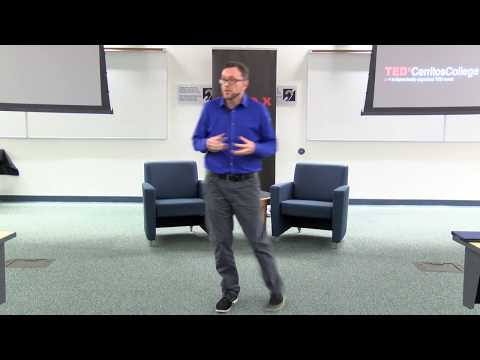
how we doing tonight good all right and
make sure everyone’s awake so I want you
to think back what kind of student were
you or are you were you hard-working
inspired lazy a procrastinator I know
there’s some of you out there see the
work that students produce we often we
believe that’s what tell us who they are
students or what kind of students they
will be in our classes but as teachers
and professors know most students like
all of us are dealing with a complex set
of issues as they progress through
school this can be especially true for
certain types of students for instance
racial minorities undocumented students
so she economically disadvantaged
students LGBT students etc and often we
tend to try to understand those who are
different from us basing it off of
stereotypes or we relegate it to one or
two obvious categories such as he is
african-american and male she is female
and Asian it’s easier this way i’ll be
at lazy and often problematic this
happens to me sometimes in the classroom
as an English professor in fact one day
in class as soon looked at me and asked
are you a conservative Republican I
looked back with a little bit of
confusion and said why would you say
that she quickly responded you look like
a Republican how I didn’t know there was
a dress code but apparently there is so
sometimes students are often interested
in my life beyond the classroom and
since I wear a ring they sometimes will
ask me are you married and I usually
respond with a simple yes then sometimes
a more personal question follows what is
your wife’s name now depending on my
mood I’ll look out onto the clock Carlos
okay see Carlos is actually my husband’s
name what my students have inadvertently
done is put me in the position to either
lie to them or come out on the spot they
don’t mean to do this of course but the
very nature of the question demands it
now this
the symptom of what we call
heteronormativity excuse me and in the
context of the classroom I’m in a
position of authority and have very
little fear of reprisal from my own
students however what if I were 18 or 19
dealing with the complexities of being
in the closet not having friends or
family support all the while trying to
get through school how might this affect
my academic success so this is the
question I want to pose to tonight how
do we teach to what I’m calling hidden
identities or students with identities
were not obvious through their
appearance so I’m going to look at two
examples right now of students who come
to mind when I think of this the first
student came to me after class one day
she wanted to talk about her paper which
was focused on immigration we will call
her Brenda so Brenda began discussing
her paper and it quickly evolved into a
discussion about her own personal life
see when Brenda started applying for
college she began to ask her parents
questions this led to a conversation she
revealed to me that she was brought over
here from Mexico when she was two years
old and unbeknownst to her she was
actually undocumented until that moment
you can imagine that this was both
shocking and quite dismayed to her in
addition and even to make things more
complicated her father was not
supportive of her attending college he
wanted her to either work or get married
now I was not aware of this until she
verbalized it to me let’s look at
another example how does student come to
me at the beginning of class one
semester we will call him Alex Alex told
me that he suffers from an anxiety
disorder and that he may need to
periodically leave class from time to
time if it quote became too much to
handle I said that was fine then we
worked it out together as a semester
progressed and he became more
comfortable he shared more information
alex is also gay he struggles with
housing because when he came out to his
family they were unfortunately not
supportive in addition alex is also
Latino and Catholic the only
recognizable aspect of his identity is
it a
everything else was either hidden or not
easily recognizable to me as his
instructor now what’s interesting not
only did Brenda and Alex both have
hidden identities but aspects of their
identities were actually in conflict
with one another this conflict created
inner turmoil and added extra barriers
and obstacles to their education so
tonight I’m going to propose to you
three simple tips to be just to begin to
address this the first is addressing our
own implicit biases the second using
inclusive language and thirdly using
diverse and crit in inclusive curriculum
whenever possible so let’s start with
number one addressing their own biases
now I hate to admit it but teachers and
professors are humans just like everyone
else and we are susceptible to
stereotypes and prejudices just like
everyone else when we look out upon our
classes at the beginning of semester of
hopefully eager students we’ve times
categorize them based on visual cues
such as race or gender or appearance or
dress and the like it’s human nature
after all however we tend to warn our
students about this we know it’s
problematic in fact visual cues can
mislead us this was the case with brenda
i believe brenda was an American born
citizen based on the fact that she had
perfect English and she had knowledge of
American references in my class however
little did I know that brenda was
struggling even was staying in school
due to the fact that she didn’t believe
she could actually get a job after she
graduated due to immigration status
sometimes the biases that we bring in
two classes can affect the way that we
speak to students we can tend to use
exclusionary or even sometimes offensive
language even if it’s unintentional so
that brings me to number two using an
inclusive language so this can come in
many forms okay ow I’ve witnessed this
unfortunately sometimes
classroom when I visited different
classrooms let’s take an example let’s
say an instructor in a class States to
her class quote you men in the class who
will marry and find a life you’re going
to encounter communication problems with
her now this was actually an interesting
conversation about gender communication
however what the instructor has done is
potentially isolate groups of students
in her class what about the gay male
students what about lesbian students
what about transgender students do they
feel welcome in that class discussion do
they dare verbalize their point of view
and fear of outing themselves which can
be either embarrassing or even dangerous
depending on the context of the class
let’s take another example let’s say an
instructor is talking about a novel and
he states quote this carrot now this may
be benign or even humorous in a certain
context however what if some of the
students are dealing with psychological
issues and they understand the word nuts
as applying to them do they feel safe in
that class did they feel welcome how
might this affect their productivity as
students so sometimes it’s about the
language that we use in a classroom
let’s return to our examples and see
what we could do let’s go back to number
one the instructor could have said in
instead quote for those of you who will
be in a long-term relationship or marry
someone of the opposite sex you may
encounter communication problems with
them and then she could have followed up
with a discussion about different types
of couples or different types of
relationships let’s look at the second
one that instructor could have refocused
the conversation a little bit and
avoided offensive or exclusionary
language he could have said quote this
character is showing symptoms of
schizophrenia so let’s discuss how that
affects his interactions with other
characters in the novel so what this
does is avoids the word nuts which could
possibly be offensive and also actually
we focus the discussion itself so let’s
look at number three using diverse and
inclusive curriculum whenever possible
now as an English instructor I assign
lots of readings
much to the chagrin of some of my
students in a class this is a great
opportunity to incorporate diversity in
classes so what I try to do is
incorporate lots of different
backgrounds different racial minorities
cultural backgrounds genders sexual
orientations geographic regions etc etc
I’m surprised semester after semester
how students aren’t exposed to a variety
of voices in their classroom this can
make them feel less isolated and more
engaged in the material and the class
itself to see someone of their own
background or identity who has used his
or her voice successfully I would have
personally been so grateful to a red and
openly gay author in high school and
actually have the teacher discuss how
the sexual identity of the author
affected his or her writing however
there are other ways to be inclusive in
our classes think about the textbooks
that we use what about the illustrations
and examples are they mostly white
heterosexual couples or individuals
think about the discussions we have in
class how do we introduce those topics
in class how do we navigate or
facilitate the discussions we have in
class what about the discussion
questions that we actually asked where
do they lead the students so there are
lots of different ways that we can be
inclusive and welcoming within our
classes now as teachers and professors
we may not always know the hidden or
even conflicting identities of our
students but what we can control and
what we can create our environments
within our classes that are hopefully
inclusive welcoming safe and hopefully
allow our students to flourish however
students who are dealing with hidden or
conflicting identities are most likely
dealing with extra barriers or obstacles
in their education they tend to be more
prone to dropping a class failing a
class postponing their education or
dropping out of school together so when
you think back to the type of student
you were or are remember not all
students who are struggling in their
education are considered bad or lazy
they may just be dealing with the
obstacles of their hidden or conflicting
identity
and as I tell you this tonight I’m very
happy to report both Brendan and Alex
have graduated with bachelor’s degrees
and they serve as reminders to me that
our diligence as educators can and will
make an impact on our students lives
thank you [Applause]
Please follow and like us: