
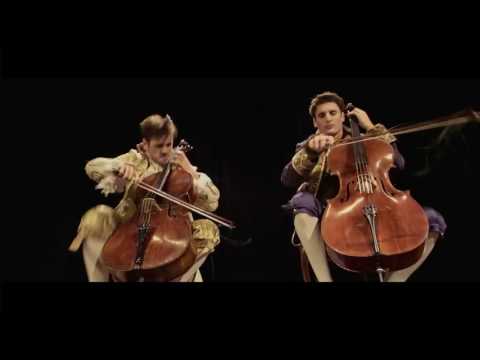
hello I’m Scott Seaton the music
director of the North State Symphony and
just now you all participated in
chipping away at a wall that has existed
for hundreds of years and in doing so
you just may have shifted your
perception of what classical music could
be like and at what it might be like now
for so long the world has viewed
classical music in such an archaic way
and it’s very stuffy very formalized
well let’s let the clip talk
[Music]
now very stuffy very formalized there is
kind of a wall but it’s not really a
true indication of what music today of
what I live
classical music performance could be
like now why is that
well orchestras all over the world are
losing audiences they’re getting
financial troubles they’re going
bankrupt all kinds of terrible things
are happening and you know even in
Pennsylvania and our homeland here in
the United States Pennsylvania all of
their major orchestras in the past month
have been on strike the Pittsburgh
Symphony the world-famous Philadelphia
Orchestra have gone on strike because of
budget concerns and we’re very close to
collapsing so what do we do about it
well we have we have to find ways to
change the system to find ways to vary
it up and for me it’s it’s really about
adapting to the needs of the community
really the big thing here is about
taking risks and realizing that yes
there will be some failure but it’s with
these failures that come growth and so
I’m gonna go into my first little
tangent here four years ago I moved from
Pennsylvania to North Dakota and in
doing so I realized that I needed an
outlet to balance the fact that I was no
longer in a city center anymore
and so I took up long-distance running
and distance cycling and what what I
realized well first of all and you all
probably know this is that nothing is
ever as easy as it seems now I’m very
stubborn I I never go by word alone I
have to try things out for myself but no
nothing is ever as easy as it seems and
I learned this the hard way so once I
started doing all this running saying oh
my god like why don’t I take a trip
across the country on my bicycle because
it’s easy as cake right you just pedal
and you cycle and you eat and you sleep
how hard could that be
well summer came around and I finally
got going and long story short it was a
huge failure I was ill-prepared I ran
out of time and I was lugging around
this gigantic bike with 60 pounds of
stuff and with enough time my optimism
was crushed like a bloody pulp and so
after that I I regrouped I took this
well the important thing with that is I
failed I hit my walls I reached my
mental and my physical limits and it’s
this incredible experience because I had
never done that before I thought I had
but I hadn’t so the next summer I
regrouped and I was successful I knew
what to expect I created a plan and
finally I was able to to put this plan
into action
now forgot to show you how easy things
we appear in our minds to be but in all
actuality it’s this you can thank my mom
for the slide you sent this to me a long
time ago the point here is that growth
real growth is only possible through
failure and if we take this mindset
rather than be crushed by a recreate
this long-term plan and integrate this
into progress so going back how do we
fix this mess how do we become an
orchestra or an arts organization of the
21st century we make the concert
experiences more fun we integrate the
audience just like I did at the
beginning the presentation we break down
these walls and we create a sense of
community and the biggest thing is we
take risks and we try things that
[Music]
you probably didn’t expect that did you
you saw the beginning you were like oh
this is gonna be delightful it’s just
gonna be back you know these two
incredible musicians these two brilliant
cellists took the music of Johann
Sebastian Bach and combine it with a CD
C’s thunderstruck a little bit different
a little bit different and so they they
took this incredible thing and they they
decided to merge these two worlds
together now in the orchestra world
similar risks have been taken and are
now in my opinion this is fine it’s a
bit gimmicky for my tastes but the the
ping-pong table doesn’t really add much
to the music itself it’s the only thing
in my eyes is this really bizarre unique
visual stimulus but okay so there are
pieces like that what else is there well
some have been more successful more more
[Music]
so that was really cool but again how
many pieces can use a typewriter now
outside of that some people have taken
the already something already amazing
and established and successful and fused
it with the incredible world and
possibility of classical music and what
comes to mind here is the brilliant
young American composer by the the name
of Mason Bates now Mason Bates started
his professional life as a DJ in Chicago
and when he turned to the world of
composition he took elements of the
dance club electronic music techno and
he merged it with the concert hall and
symphonic music different much let’s see
great huh now how does this apply to our
community here in the North States well
for starters we are championing a
championing the brilliant mind of people
like Mason Bates these visionaries and
we’re taking their incredible
compositions and we’re changing our own
concert formats right here in Redding
California back in May and the Cascade
theater this piece came alive this piece
right here it’s amazing huh and on a
side note a really cool thing about that
is being able to in the concert program
list laptop performer in the same place
as the violins and the trumpets so in
addition to that I mean there are all
kinds of unique ways that we can break
away from these stuffy traditions that
have been established and and really
destroying the world of classical music
for everyone throughout the past decades
one of the things that we’re doing this
year and last year for example is an
issue an initiative called just ask
where we get you all the audience to
submit questions via social media during
the intermission which are then answered
by me and members of the orchestra at
the beginning of the second half further
sort of destroying this wall in front of
us in addition to that in May of this
coming year one of our concerts will
actually have a an interactive
theatrical component to it very
different we’re incorporating this
element with one of the biggest pieces
of the twentieth century really an
experience that is not to be missed and
something that has not been done before
another huge risk that we’re taking this
very season is the implementation of the
NSS Pops series NSS Pops is a series of
disparate elements that are brought
together in the concert hall to bring
you things that are more familiar from
your
world and combine them with our world
and the first of said series will take
place right here in this very space on
New Year’s Eve now all kinds of amazing
things are happening and if if
symphonies like the Seattle Symphony can
bring you a collaboration with Sir
mix-a-lot and on stage sing baby got
back with a large member with a large
female contingent of the audience
dancing on stage then we can certainly
break out of our box and complement the
wondrous melodies of roms and the angry
rhythmic propulsions of Beethoven with
things that you are more familiar with
so we’re not doing away with the old
we’re just mixing it up a little bit now
things might get a bit different even a
little crazy at times but with the risks
that we’re taking I think we will truly
find a balance with our programming and
our concert formats that will work for
the community and the last clip I’m
going to play you is a bit of an extreme
example but you don’t know where the
[Applause] you