
[Music]
[Applause]
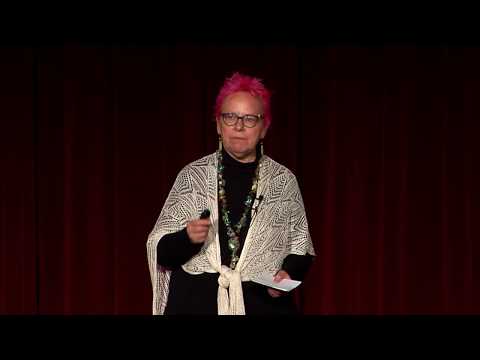
so my name is Bonnie Winfield I am the
director of community partnerships here
at Lafayette College I’m also a Posse
mentor and I see my Posse here cool yay
I’m also a creative artist I have a
thing called the journey home where I
work with women from the local jail and
Lafayette students and some of the
students here are part of that so my
talk is one eight zero four two here I
stand I cannot do otherwise and I
thought I’d do a little mindfulness
exercise and that is for everybody to
stand up and join me in one 8:04 to here
I stand I cannot do otherwise so if you
could just repeat that one eight zero
four two here I stand I cannot do
otherwise okay you can sit down so when
I was asked to do this TED talk that’s
what came to my mind this one eight zero
four two does anyone know what that is
zip code right and so that’s why I
wanted you to stand with me because this
is where we are right now in this moment
and unless we are like beam me up Scotty
right we’re here right now in this if
code so I started thinking about why is
this one eight zero four two here I
stand important to me right and so I
realize that it is about this journey
I’ve been on and this journey started in
Syracuse it went to Nicaragua came back
it keeps moving on me
came back to Binghamton New York and
then to Tennessee and now to Easton so
it began in Syracuse I was taking an
urban geography class and the professor
asked me and other students to go to
some place in the city sit on the corner
and to think about the soul of the city
in that place so I went down to the
corner of Harrison
and Adams streets in Syracuse and I sat
there and what I saw were cars and
trucks zooming by going to the highway
I saw across the street the housing
projects called the bricks behind me was
a big parking lot and the museum and I
kept looking at all of this right I
didn’t see any people I saw cars going
places going nowhere actually seemed
like while I was sitting there I
realized my father told me a story about
walking down driving down Harrison
Street on his way to the hospital with
my mom who was pregnant for me and the
hospital was just a few blocks away he
described a very different Street he
described a community where there were
stores and houses and barber shops and
bars and all different kinds of things
churches it was a community right and
that’s where I was born it was a very
different place than what I was feeling
when I was watching all of these cars
zooming by to go to the highway and I
started thinking about that and I
started thinking about what the urban
development and urban renewal did to our
communities and where were those other
little babies that were born in that
hospital were they able to like me move
out of that area with my family to a
village outside 30 miles away
I feared not unless their skin was white
like mine and realized that that sense
of place was very important at the same
time I was part of the National Congress
and neighborhood women National Congress
neighborhood Women is all over the world
and it’s women in in communities get
together in neighborhoods to make a
difference and one thing they were doing
is they were looking at housing in the
center of Syracuse we got together and
we sat in circles this is when the first
starts of my like sitting in circles
right and we talked with these women
about what it would
– in the bricks to make their sense of
place and sense of home better and they
talked about planning followers and
putting up little picket fences on the
sidewalk and maybe having a rocking
chair out there where they could talk to
their neighbors
two weeks later I sat with those same
women in a in a city hall meeting where
we sat in rows like this and open-front
were for white men standing in suits
telling us that they were going to tear
down the bricks we don’t need this
public housing anymore we need to do
something different so again I realized
whoa what is this sense of place and
what is happening and I realized that
when we did that Orban renewal we took
away that sense of place I then did a
dissertation on public housing women who
lived in public housing and bought
houses through a public-private
partnership this represents one of those
houses around that time I had this great
experience to go to Nicaragua this was
right after the Revolution when I was in
Nicaragua I went up to the mountains to
a clinic before I went up there I saw a
baby that was dying of malnutrition this
baby was only nine months old she was
dying of malnutrition because of the
United States because of our economic
boycott they couldn’t get the little
tiny needles that were necessary for her
transfusions at the same time I was the
director of infant foster care at
Syracuse Catholic Charities and we had
another little baby nine months old who
was not able to be adopted
we named her Holly my teenage sons
bought her little sneakers they wanted
to adopt her she couldn’t be adopted
because her mother was 13 and was raped
by her uncle who was a drug addict and
the baby was black so I started putting
these things together and it was really
really troublesome and I was crying the
whole time I was in Nick
so we go up to this clinic and the
director the clinic’s talking and he
seemed like he was talking to me because
he I think he thought whoa this woman is
going to do something so I said what can
I do for you what can I do for your
people right he said well what you can
even do you can go back to your place go
back to your place and teach your people
about what their government is doing
because we believe that the people who
live in your place would not want this
to happen so I said yes Here I am
sitting in the mountains of Nicaragua
saying yes this man I will do this I
will go back to the United States and
teach all these people right here I am
entry-level job Catholic Charities never
been to college two teenage sons single
mom and I come back and I get on the
little circle way right the highway that
goes around Syracuse and I just kept
driving around I was like what am I
going to do how am I going to do this
where am I going to get off where is my
sense of place so not to be in place is
not only to be nowhere it is not to
exist that is what our urban renewal did
to people right moving to the suburbs
all of that so I decided I was going to
college went to college and decided was
going to be a professor and when I was a
professor I decided I was going to teach
about democracy now question is right
this why of what this theme is what does
that have to do with 18 1 8 0 for 2 what
does teaching about democracy have to do
with sense of place so in BAM 10 I got a
grant from the University to open a
storefront similar to what I did here
right
I opened a storefront called embracing
the soul and students from the college
people from the community all came down
to that storefront to make art because I
believe making art together makes a big
difference and it had to do with living
there on that
Eitan in that town around the same time
9/11 happened and some of my friends and
I got together and we thought we need to
have some kind of festival because
everyone is feeling what you can imagine
right after 9/11 so we had healing our
city and healing our city was drumming
and dancing and storytelling and all of
these things that helped us realize what
could happen in that place this is just
an article from the local newspaper that
talked about the importance of that
activity in that experience for people
we also had music in that place we had
drumming there is still a drum circle
that 15 years later is happening every
Tuesday night and that is the drum
circle that I started so I realized that
wherever you stand I can be the soul and
you can be the soul of that place my
next stop on this little journey was
Greenville Tennessee it’s a beautiful
place but I really had a hard time
finding my sense of place there but that
didn’t stop me I realized that I could
help other people figure out what was
their sense of place at the same time as
today people were struggling with what
does it mean to be an American
so students at Tusculum college and I
went to a couple of elementary schools
and we worked with the children there
and their parents and made murals on
what it means to be an American and we
did this in two different places whoops
now we get to one eight zero four two so
here we are came back here I came here
to Easton and again here I stand and
here I sit down it’s circle so what is
this what is this winning 0 for 2 how’d
this all happen right and what happened
was I heard students talking about oh
I’m going to go downtown to Easton I’m
going to go to Easton right I’m like
wait a minute you are in East End Easton
it Lafayette is in East End right and so
then I started this whole little like
thing of telling everybody so I thought
a first-year seminar and in my first
year seminar we went down and we met in
this other storefront that I that I
started here and we made art with people
this is us making a rug we wove a rug
with women from the local jail
we made murals as part of the first-year
seminar on what it means to be part of
East End this was from a Jane’s walk I
have all kinds of artwork based on this
having people get a sense of what it
means here I stand right these are more
pictures of us making murals so I began
to wonder how does this all come
together like how does my saying yes in
the mountains of Nicaragua how does that
connect that teaching about democracy
how does that connect to that sense of
place that I realized when I was sitting
in the corner of Syracuse on those
streets this is where I integrate
citizenship and sense of place according
to Irish Marian young citizens
citizenship must involve among other
things the capacity to engage those who
are different and yet share the same
place in a liberal arts college we must
take on the challenge to develop a
critical pedagogy of place at the most
general level a critical pedagogy must
be a pedagogy of place it must address
the specificities of the experience
problems languages and histories that
community rely upon to construct a
narrative of collective identity we must
give the students most of you a lens to
help you see and connect to the world
right this can be done at its best in
the place and embodied practice it’s why
had you stand right and feel what it was
like to stand in one 8:04 to developing
a sense of place where you realize the
impact of your acts
and what it has on the local community
that is life and that is important if we
seek to develop active citizens which is
part of the Lafayette mission yes my yes
in the mountains of Nicaragua the
opportunity to connect what they are
learning to how they live rather than
what they will do we ask that right I
heard some questions at lunch what are
you going to do you graduate what you’re
going to do let’s start asking how are
you going to live we can begin with how
they live in the present moment how they
live and connect in 1804 to because give
me a place to stand
and I you all will move the world
[Applause]
[Applause]
so my name is Bonnie Winfield I am the
director of community partnerships here
at Lafayette College I’m also a Posse
mentor and I see my Posse here cool yay
I’m also a creative artist I have a
thing called the journey home where I
work with women from the local jail and
Lafayette students and some of the
students here are part of that so my
talk is one eight zero four two here I
stand I cannot do otherwise and I
thought I’d do a little mindfulness
exercise and that is for everybody to
stand up and join me in one 8:04 to here
I stand I cannot do otherwise so if you
could just repeat that one eight zero
four two here I stand I cannot do
otherwise okay you can sit down so when
I was asked to do this TED talk that’s
what came to my mind this one eight zero
four two does anyone know what that is
zip code right and so that’s why I
wanted you to stand with me because this
is where we are right now in this moment
and unless we are like beam me up Scotty
right we’re here right now in this if
code so I started thinking about why is
this one eight zero four two here I
stand important to me right and so I
realize that it is about this journey
I’ve been on and this journey started in
Syracuse it went to Nicaragua came back
it keeps moving on me
came back to Binghamton New York and
then to Tennessee and now to Easton so
it began in Syracuse I was taking an
urban geography class and the professor
asked me and other students to go to
some place in the city sit on the corner
and to think about the soul of the city
in that place so I went down to the
corner of Harrison
and Adams streets in Syracuse and I sat
there and what I saw were cars and
trucks zooming by going to the highway
I saw across the street the housing
projects called the bricks behind me was
a big parking lot and the museum and I
kept looking at all of this right I
didn’t see any people I saw cars going
places going nowhere actually seemed
like while I was sitting there I
realized my father told me a story about
walking down driving down Harrison
Street on his way to the hospital with
my mom who was pregnant for me and the
hospital was just a few blocks away he
described a very different Street he
described a community where there were
stores and houses and barber shops and
bars and all different kinds of things
churches it was a community right and
that’s where I was born it was a very
different place than what I was feeling
when I was watching all of these cars
zooming by to go to the highway and I
started thinking about that and I
started thinking about what the urban
development and urban renewal did to our
communities and where were those other
little babies that were born in that
hospital were they able to like me move
out of that area with my family to a
village outside 30 miles away
I feared not unless their skin was white
like mine and realized that that sense
of place was very important at the same
time I was part of the National Congress
and neighborhood women National Congress
neighborhood Women is all over the world
and it’s women in in communities get
together in neighborhoods to make a
difference and one thing they were doing
is they were looking at housing in the
center of Syracuse we got together and
we sat in circles this is when the first
starts of my like sitting in circles
right and we talked with these women
about what it would
– in the bricks to make their sense of
place and sense of home better and they
talked about planning followers and
putting up little picket fences on the
sidewalk and maybe having a rocking
chair out there where they could talk to
their neighbors
two weeks later I sat with those same
women in a in a city hall meeting where
we sat in rows like this and open-front
were for white men standing in suits
telling us that they were going to tear
down the bricks we don’t need this
public housing anymore we need to do
something different so again I realized
whoa what is this sense of place and
what is happening and I realized that
when we did that Orban renewal we took
away that sense of place I then did a
dissertation on public housing women who
lived in public housing and bought
houses through a public-private
partnership this represents one of those
houses around that time I had this great
experience to go to Nicaragua this was
right after the Revolution when I was in
Nicaragua I went up to the mountains to
a clinic before I went up there I saw a
baby that was dying of malnutrition this
baby was only nine months old she was
dying of malnutrition because of the
United States because of our economic
boycott they couldn’t get the little
tiny needles that were necessary for her
transfusions at the same time I was the
director of infant foster care at
Syracuse Catholic Charities and we had
another little baby nine months old who
was not able to be adopted
we named her Holly my teenage sons
bought her little sneakers they wanted
to adopt her she couldn’t be adopted
because her mother was 13 and was raped
by her uncle who was a drug addict and
the baby was black so I started putting
these things together and it was really
really troublesome and I was crying the
whole time I was in Nick
so we go up to this clinic and the
director the clinic’s talking and he
seemed like he was talking to me because
he I think he thought whoa this woman is
going to do something so I said what can
I do for you what can I do for your
people right he said well what you can
even do you can go back to your place go
back to your place and teach your people
about what their government is doing
because we believe that the people who
live in your place would not want this
to happen so I said yes Here I am
sitting in the mountains of Nicaragua
saying yes this man I will do this I
will go back to the United States and
teach all these people right here I am
entry-level job Catholic Charities never
been to college two teenage sons single
mom and I come back and I get on the
little circle way right the highway that
goes around Syracuse and I just kept
driving around I was like what am I
going to do how am I going to do this
where am I going to get off where is my
sense of place so not to be in place is
not only to be nowhere it is not to
exist that is what our urban renewal did
to people right moving to the suburbs
all of that so I decided I was going to
college went to college and decided was
going to be a professor and when I was a
professor I decided I was going to teach
about democracy now question is right
this why of what this theme is what does
that have to do with 18 1 8 0 for 2 what
does teaching about democracy have to do
with sense of place so in BAM 10 I got a
grant from the University to open a
storefront similar to what I did here
right
I opened a storefront called embracing
the soul and students from the college
people from the community all came down
to that storefront to make art because I
believe making art together makes a big
difference and it had to do with living
there on that
Eitan in that town around the same time
9/11 happened and some of my friends and
I got together and we thought we need to
have some kind of festival because
everyone is feeling what you can imagine
right after 9/11 so we had healing our
city and healing our city was drumming
and dancing and storytelling and all of
these things that helped us realize what
could happen in that place this is just
an article from the local newspaper that
talked about the importance of that
activity in that experience for people
we also had music in that place we had
drumming there is still a drum circle
that 15 years later is happening every
Tuesday night and that is the drum
circle that I started so I realized that
wherever you stand I can be the soul and
you can be the soul of that place my
next stop on this little journey was
Greenville Tennessee it’s a beautiful
place but I really had a hard time
finding my sense of place there but that
didn’t stop me I realized that I could
help other people figure out what was
their sense of place at the same time as
today people were struggling with what
does it mean to be an American
so students at Tusculum college and I
went to a couple of elementary schools
and we worked with the children there
and their parents and made murals on
what it means to be an American and we
did this in two different places whoops
now we get to one eight zero four two so
here we are came back here I came here
to Easton and again here I stand and
here I sit down it’s circle so what is
this what is this winning 0 for 2 how’d
this all happen right and what happened
was I heard students talking about oh
I’m going to go downtown to Easton I’m
going to go to Easton right I’m like
wait a minute you are in East End Easton
it Lafayette is in East End right and so
then I started this whole little like
thing of telling everybody so I thought
a first-year seminar and in my first
year seminar we went down and we met in
this other storefront that I that I
started here and we made art with people
this is us making a rug we wove a rug
with women from the local jail
we made murals as part of the first-year
seminar on what it means to be part of
East End this was from a Jane’s walk I
have all kinds of artwork based on this
having people get a sense of what it
means here I stand right these are more
pictures of us making murals so I began
to wonder how does this all come
together like how does my saying yes in
the mountains of Nicaragua how does that
connect that teaching about democracy
how does that connect to that sense of
place that I realized when I was sitting
in the corner of Syracuse on those
streets this is where I integrate
citizenship and sense of place according
to Irish Marian young citizens
citizenship must involve among other
things the capacity to engage those who
are different and yet share the same
place in a liberal arts college we must
take on the challenge to develop a
critical pedagogy of place at the most
general level a critical pedagogy must
be a pedagogy of place it must address
the specificities of the experience
problems languages and histories that
community rely upon to construct a
narrative of collective identity we must
give the students most of you a lens to
help you see and connect to the world
right this can be done at its best in
the place and embodied practice it’s why
had you stand right and feel what it was
like to stand in one 8:04 to developing
a sense of place where you realize the
impact of your acts
and what it has on the local community
that is life and that is important if we
seek to develop active citizens which is
part of the Lafayette mission yes my yes
in the mountains of Nicaragua the
opportunity to connect what they are
learning to how they live rather than
what they will do we ask that right I
heard some questions at lunch what are
you going to do you graduate what you’re
going to do let’s start asking how are
you going to live we can begin with how
they live in the present moment how they
live and connect in 1804 to because give
me a place to stand
and I you all will move the world
[Applause]
Please follow and like us: