
in June 2004 biologists Jay Michael Fay
of the Wildlife Conservation Society
left Pretoria South Africa on an aerial
expedition that would eventually cover
more than 60,000 miles as he Criss
crossed the African landmass dubbed the
mega flyover the six and a half month
journey co-sponsored by the National
Geographic Society was a survey of
massive proportions covering a continent
of diverse landscapes populations and
wildlife I would say what motivates me
is is just this inexplicable obsession
with this problem of you know natural
ecosystems throughout the world are are
degrading at an incredible rate at an
unprecedented rate and the human race is
is gobbling up this planet at an
unprecedented rate and you think you
know we’ve got to reconcile those two
things we can reconcile those two things
the idea for the mega flyover came out
of the WCS human footprint project which
measured the impact of humankind on the
environment by square kilometre mic face
set out with pilot peter rag to focus on
ecoregions areas of unique physical and
climatic features with distinct plants
and animals
they wanted to see how ecoregions were
being affected by people soaring over
the African terrain at an altitude of
around 500 feet
they had a wide-angle view to see the
detail of individual animals and people
an array of digital equipment allowed
him to record observations as the
terrain below shifted from populous
regions to wilderness attached to the
plane was a high-resolution camera
pointed straight down with snap pictures
every 20 seconds
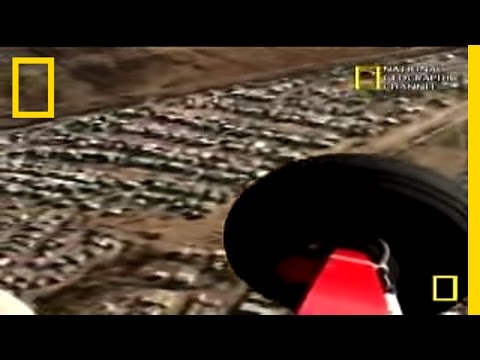
photos show sprawling graveyards in
South Africa a maze-like slum on the
edge of Nairobi soil erosion and
burgeoning wildlife populations and
while Fay found many examples of
overstressed ecoregions he remains
optimistic about Africa and Africans
ability to save their environment
ultimately Fay hopes the massive
quantity of data collected on the
journey will serve to convince
decision-makers in the US and other
countries to include natural resource
management in their foreign policy
Please follow and like us: