
with the trend that we are seeing now
it’s very likely that there will be a
day within this century that there will
be no ice in the Arctic there has been a
drastic chance from the 1980s and early
1990s to the present the perennial ice
cover in the 1980s was averaging between
seven and eight million square
kilometers in 2007 when there was this
drastic decline it went down as low as
3.5 square kilometres and in 2012 we
went down to almost three million square
kilometers
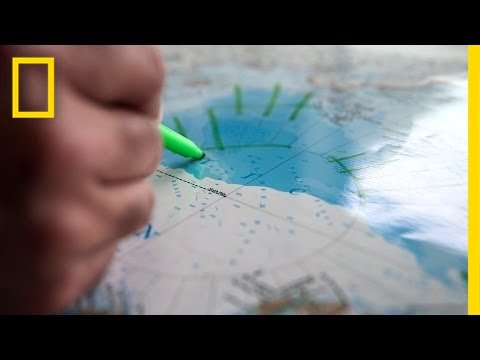
compared to previous editions of the
Atlas the change in sea ice coverage
that graphic portrayal that white
polygon has significantly changed over
time and in the tenth edition as you’ll
see a significant reduction in area
covered by ice on our Arctic Ocean plate
we show two features of the different
types of sea ice there’s the limit of
multi-year ice and then the maximum
extent of sea ice the maximum extent of
sea ice will fluctuate annually with the
seasons it’s generally decreases in the
summer in increases in the winter so the
maximum that we show it usually occurs
sometime around March multi-year ice is
ice that has been frozen for up to two
summers and that is generally more
stable and doesn’t change as much but
the studies have shown that it has been
steadily decreasing over the past
the warming that’s being felt in the
Arctic is the greatest warming
throughout the world if you lose the ice
in the Arctic it doesn’t cause an impact
of just the Arctic region which cannot
be global
Please follow and like us: