
birds are some of the most visible
victims of the oil spill in the Gulf of
Mexico
thousands of affected Birds both live
and dead have been recovered on or near
beaches like this one on West Ship
Island Mississippi some are obviously
oiled others like this laughing gull
must await a necropsy to see if oil is
to blame for its death unfortunately
most of the birds that die are never
seen by humans and so the toll is still
untold around 1500 oiled birds have been
rescued so far from across the Gulf
region of those volunteers have
successfully cleaned and released around
500 animals but some experts worry after
effects of the spill could claim other
winged victims that will be visiting the
Gulf region on their annual migrations
the Gulf Coast is is really the center
of a Western Hemisphere migration system
and so we calculate that they’re
probably a billion birds will fly by the
Gulf of Mexico this fall the migration
of hundreds of millions of birds began
in July and continues through December
some birds will spend the winter here
while others are on their way to points
farther south one of the birds is coming
down as the piping plover that’s
definitely an endangered species of bird
we’re very concerned about and it
patrols the edge of the beaches so right
where every high tide you know the oil
comes in there’s a lot of other birds
some birds we call common birds and
decline and so they’re not really
endangered they’re not on any threatened
species list but they’re in decline
there’s a lot of other stresses on bird
populations and adding an oil spill is
really just adding insult to injury
so the earliest migrants are sandpipers
and plumbers there’s burst like semi
palmated Sandpiper Western Sandpiper
greater Yellowlegs lesser yell legs
there’s 20 different species and more of
sandpipers these are birds that are
feeding in sand flats and mud flats and
so very exposed to this oil as the
season moves on we switch over and some
of the earliest ducks start arriving
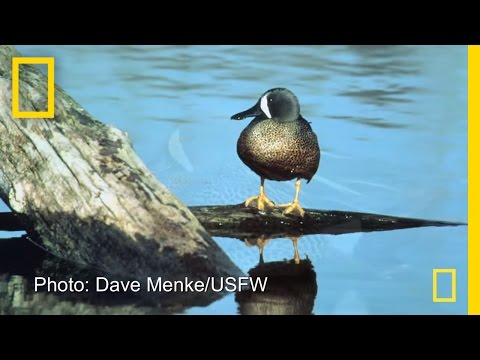
like the blue and teal and if it’s a
marsh burn so it’s going to be in those
marshes many of which are very heavily
oiled and as the fall goes on some of
the other ducks come in and lesser scope
is a duck that’s just really really
common in the Gulf and it’s going to try
to dive in the waters that are oiled to
try to find food at the bottom of the
Gulf near the beaches and the marshes
the Gulf wetlands and Shores offer vital
habitat for birds that winter in the
region and the area is a bountiful
stopping point with forage for birds
flying much farther south and butcher
says there’s another less obvious
problem with disel spill but what we
worry about in this oil spill so much
that oil has been dispersed and really
sent to the bottom of the Gulf and we
fear the impact on the whole web of life
in the Gulf and people are love the web
of life of the Gulf because it produces
the fish and the shrimp and the oysters
that we love to eat in the same way
that’s what the birds are eating but if
this web of life is destroyed by the oil
that sunk to the bottom of the Gulf then
they’ll be birds out there without
enough food to eat
Louisiana arguably the state hardest hit
by this spill is home to about 40% of
the country’s wetlands a favorite bird
habitat is Grand Isle Louisiana where
State Department of Wildlife and
Fisheries officials are keeping a watch
the biggest worry is the amount of oil
out there and where it may end up when
these birds come here to feed and
utilize that habitat
and the resources that they depend on
for food you know how is that going to
translate into you know contamination
through ingestion or direct exposure
Carlos has spent most of his life in
Louisiana’s prime habitat and he worries
it may be a slow recovery how long will
these impacts be around you know a lot
of people compared to Exxon Valdez you
know over 20 years now that they you
know can still find impacts although
this is a different system you know
warmer and a lot more open water
hopefully we won’t have those same
impacts for a long period of time so
government and private groups are
working to restore habitat from
short-term flooding a fallow farmland to
longer-term projects like rebuilding
barrier islands replanting forage and
restoring natural flow and sedimentation
from rivers if you build it they’ll come
kind of thing I mean it can be that
simple doesn’t mean they’re all going to
come and it doesn’t mean you’re going to
stop all of them from going where they
want to go along this Louisiana and the
Gulf Coast but you can probably reduce
those impacts by providing them
additional habitat experts will be
watching closely throughout the coming
years to track the oil’s impact and try
to help both local and migratory birds
you
Please follow and like us: