
and power few Prime Minister’s can match
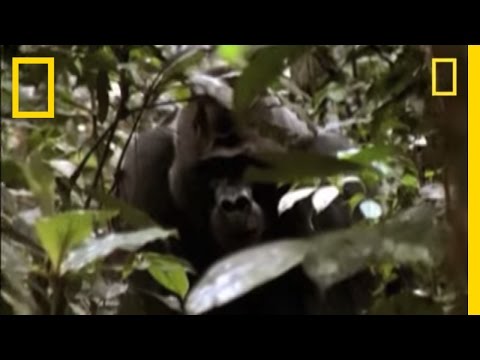
a gorilla for sure stream and yet no
amount of strength of scenes can stop
the inexorable march of man few defenses
no place left to hide the mountain
gorilla is in danger
in response to the need Uganda’s be
windy and penetrable National Park
established in 1991 provides protection
for mountain gorillas it offers
opportunities to track these shy giants
well the first part of the trip through
farmland banana plantations through
homes using
some 325 mountain gorillas live in the
park that’s about half of the remaining
population in the whole world the number
one threat to gorillas is habitat loss
but the parks fragile boundaries without
fences or walls keep human encroachment
at bay but just barely
the banana plantations in the farms come
right up to the edge of the park where
the gorillas are and if it weren’t for
this park these plantations would go
further into the jungle and there would
be even fewer animals there are today
mountain gorillas were unknown to the
outside world until 1902 but once
discovered it didn’t take long to push
them to the brink of extinction by 1979
there were fewer than 132 windy gorillas
creation of Park halted the decline and
has even facilitated a slow but steady
increase in numbers and an unlikely
component of this success story is
humans there’s a reason they call this a
rainforest it has been raining all
morning you don’t mind the weather
you’ve got the big male silverback the
first one that was habituated in the
middle for different gorilla family
groups in Burundi have been habituated
to the presence of humans the Uganda
wildlife Authority sells a limited
number of permits that allows a few
tourists to trek into the park to
quietly observe and photograph one of
the four groups for no more than an hour
each day the tourist dollars ensure the
survival of the park our mission
statement for UW’s conserving for
generations but tourism as another
aspect of seeing that when communities
will benefit then we are also consulting
for mountain gorillas are mostly
vegetarian a big male can consume around
60 pounds of fruit and vegetables a day
and for dessert a nest of Safari ants
they pick them up by the handful these
crunchy little creatures must be the
equivalent of spicy potato chips because
the gorillas ignore the stinging ant
bites and just to eat one more but for
the gorillas to have a chance to live
relatively undisturbed in the windy the
local people must buy into the concept
of the park and in the beginning they
didn’t
1990s there were also new fires most of
them were just always sit and clearly
mother acutally buckling was Bantle so
people were burning the forest just to
try to get rid of the park yeah I mean
it was like a resentment even the park
staff park they could just drive out in
the communities was a very difficult
thing local communities had previously
relied on forest resources and the early
conflicts made it clear that the parks
conservation efforts must include their
needs
selling drawings for guerrilla carvings
and other handicrafts to tourists is one
of the ways locals benefit from the park
my souvenir of the trip pictures of
gorillas drawn by people who actually
live next to the girls so how many four
five thousand but just selling crafts
isn’t enough so the Ugandan wildlife
Authority responded and guaranteed the
locals full partnership in the tourism
business they get 20% of the park
entrance fees that’s we give directive
we have about oxygen 90% of the are
crazy right communities from
around here so that’s one of the
communities then other indirect benefits
like what their owners getting small
jobs around here carrying gating portals
around here with so many economic
benefits that have one direct to the
community sharing the economic benefits
of the park turned out to be the best
investment for protecting the mountain
gorillas and their habitat in the past
three years wildlife authorities say
there have been no arson fires in the
park
the Ugandans around bawendi have come to
understand the true value of this
remarkable resource and although they
are still critically endangered there is
now hope for the future for the gorillas
who only asked for a small space on a
crowded planet
Please follow and like us: