
during the day Southern California
beaches are populated with people
seeking fun in the Sun but at night just
shortly after a full moon when most of
the people are away these beaches are
populated with small fish coming to
frolic but in a different way the fish
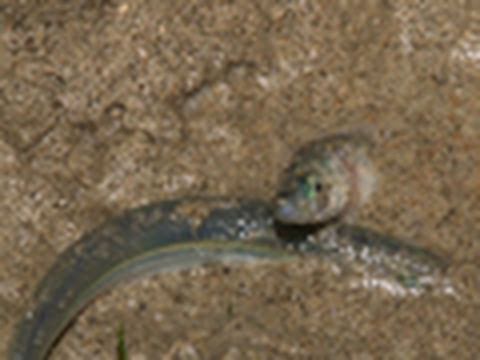
is the California grunion and they come
to the beach to spawn every spring in
summer they flock to Pacific beaches
mostly from Punta abre ojos Mexico to
Santa Barbara California
the grandin are kind of our poster
children for the beach ecosystem they’re
an animal that everybody knows about at
least here in California and they’re an
animal that people really like because
here’s an animal that kind of does what
we do it goes to the beach to have a
good time just like we do someone’s seen
this scene might think it’s a mass
stranding but National Geographic
grantee and Pepperdine University
biologist Karen Martin says it’s all
according to plan it’s a very
interesting fateful biological
standpoint it has some really unique
features the fact that it comes fully
out of the water to spawn on the beach
just really unusual there’s other fish
that spawn on beaches but none to the
completing sent it they grind into the
female begins the process by digging
into the sand to deposit her eggs the
male wraps himself around the female and
bodies entwined fertilizes the eggs
after spawning most of the adult fish
make it back into the ocean leaving the
eggs to develop and hatch within about
two weeks
the entire cycle is based on the tides
which are affected by the phases of the
Moon grunions make their runs when the
tides are highest at night and during
new or full moons the lower tides that
follow for the next several days allow
the eggs to develop and the sand
protects them and at high tide about
nine days after spawning the embryos are
washed free before hatching the small
grunion is near the bottom of the food
chain far less than 1% will survive from
egg to adulthood but humans pose the
greatest threat human population of the
spawning seacoast has increased 700
percent since the 1920s when the first
regulations to protect the fish were
created catching grunion is legal during
certain times of the year but no gear or
net is allowed only bare hands can be
used but a large group of hunters can
disrupt or even stop a run and nearly
every fish that arrives may be caught
and beach preservation projects such as
using bulldozers and large rakes to
groom the sand can be deadly to grunion
nests it was concerned that our beach
grooming practices for harming the
grunion eggs incubating beneath the
surface and we can successfully avoid
where the eggs are and continue to do
what we need to do on the beach to keep
the trash off of it beach construction
such as shoreline our marine which is
placing rocks or submit walls to protect
properties can diminish or even
eliminate grunion spawning grounds
concern for the grunion has prompted
hundreds of volunteers across California
to become part of the grunion greeters
citizen science project no one person
and no one lab group can go and see all
the runs on all the different places the
only way to do it is a whole bunch of
people each going to their own
so long short of watching for the
grunion I am amazed that people will
give up their their nights and
especially when have to get up in the
morning and get back to work
most of them you’ll say I really enjoy
doing it I really love seeing the
grinding command I really love the idea
that I can be someplace where nobody
else is around me and I’m seeing
something nobody else is seeing and
there could be care
[Music]
you
beaches are populated with people
seeking fun in the Sun but at night just
shortly after a full moon when most of
the people are away these beaches are
populated with small fish coming to
frolic but in a different way the fish
is the California grunion and they come
to the beach to spawn every spring in
summer they flock to Pacific beaches
mostly from Punta abre ojos Mexico to
Santa Barbara California
the grandin are kind of our poster
children for the beach ecosystem they’re
an animal that everybody knows about at
least here in California and they’re an
animal that people really like because
here’s an animal that kind of does what
we do it goes to the beach to have a
good time just like we do someone’s seen
this scene might think it’s a mass
stranding but National Geographic
grantee and Pepperdine University
biologist Karen Martin says it’s all
according to plan it’s a very
interesting fateful biological
standpoint it has some really unique
features the fact that it comes fully
out of the water to spawn on the beach
just really unusual there’s other fish
that spawn on beaches but none to the
completing sent it they grind into the
female begins the process by digging
into the sand to deposit her eggs the
male wraps himself around the female and
bodies entwined fertilizes the eggs
after spawning most of the adult fish
make it back into the ocean leaving the
eggs to develop and hatch within about
two weeks
the entire cycle is based on the tides
which are affected by the phases of the
Moon grunions make their runs when the
tides are highest at night and during
new or full moons the lower tides that
follow for the next several days allow
the eggs to develop and the sand
protects them and at high tide about
nine days after spawning the embryos are
washed free before hatching the small
grunion is near the bottom of the food
chain far less than 1% will survive from
egg to adulthood but humans pose the
greatest threat human population of the
spawning seacoast has increased 700
percent since the 1920s when the first
regulations to protect the fish were
created catching grunion is legal during
certain times of the year but no gear or
net is allowed only bare hands can be
used but a large group of hunters can
disrupt or even stop a run and nearly
every fish that arrives may be caught
and beach preservation projects such as
using bulldozers and large rakes to
groom the sand can be deadly to grunion
nests it was concerned that our beach
grooming practices for harming the
grunion eggs incubating beneath the
surface and we can successfully avoid
where the eggs are and continue to do
what we need to do on the beach to keep
the trash off of it beach construction
such as shoreline our marine which is
placing rocks or submit walls to protect
properties can diminish or even
eliminate grunion spawning grounds
concern for the grunion has prompted
hundreds of volunteers across California
to become part of the grunion greeters
citizen science project no one person
and no one lab group can go and see all
the runs on all the different places the
only way to do it is a whole bunch of
people each going to their own
so long short of watching for the
grunion I am amazed that people will
give up their their nights and
especially when have to get up in the
morning and get back to work
most of them you’ll say I really enjoy
doing it I really love seeing the
grinding command I really love the idea
that I can be someplace where nobody
else is around me and I’m seeing
something nobody else is seeing and
there could be care
[Music]
you
Please follow and like us: