
the sight of oil gushing into the Gulf
of Mexico may have left some people
feeling helpless to protect the
environment but thousands of people saw
this bill was a call to action we’re
only going to say short volunteers came
forward to help with Beach clamp and
wildlife rescues and many are still
pitching in a vast amount of data is
vital to assess the spills effects on
birds and other marine and coastal life
that’s where the National Audubon
Society is helping out millions of birds
fly down the Mississippi River fly way
to spend the winter on the Gulf Coast
and scientists need to track any changes
in numbers and health of the migrants as
well as those living year-round on the
coast it’s a it’s an unprecedented
effort and this year there are going to
be thousands of volunteers monitoring
birds counting looking at their health
as they come through birders
volunteering in Audubon citizen science
program join the experts early in the
spill to conduct a coastal bird survey
an additional program was recently
started and participants from both are
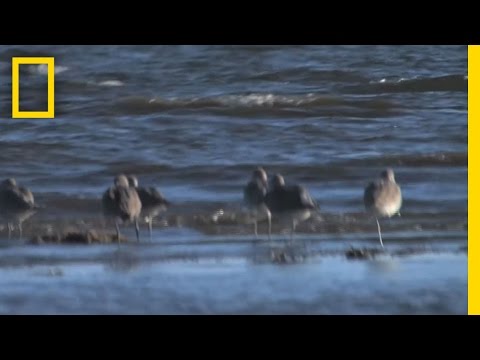
still out identifying and counting Birds
finish up this group in Mississippi
covered a bit more than a mile of
undeveloped coastlines spotting hundreds
of birds some participants are new to
birding as a Gulf Coast resident and as
a science teacher I know the importance
of collecting data and I was really
interested in the fact that they would
be collecting data over a long period of
time he’ll join the group in June and
works with the other birds to count and
identify the birds as accurately as
possible this time of year we’re getting
a lot of migrants we’re getting a good
fall migration so we actually are seeing
the number of birds that we normally see
in this area this time of year delmas
and the other longtime birders help the
new volunteers identify species this
Beach apparently saw little oil and so
far the birds here seem healthy but
long-term monitoring by this group and
others throughout the region can give
deeper insight into population health
past Delmas if he is a scientist and he
won’t make any claim to the title
I’m actually a birder I’ve been birding
not a long time I started an 85 but some
people start when they’re four years old
and been burning all their lives having
birders along at all levels of
experience means there are eyes looking
in all directions when I start a field
trip as I say it’s the eyes I mean if
you got a several burgers or good
burgers they can’t see everything so if
you get a good mob and they’re seeing a
lot of different things and brings it to
other people’s attention I think you get
some accuracy like that and on this
early fall day the group is rewarded
with their first sighting of migrating
pelicans scores of them this day’s count
along with those from groups all across
the Gulf region will go into a database
at Ebor org it’s a joint project of the
Cornell Lab of Ornithology and audubon
the new data will hopefully help
scientists determine a pomeroy along an
effect on the birds
Please follow and like us: