
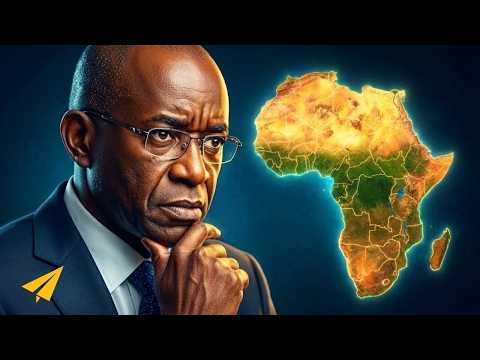
he’s a london-based son Bob Wian
entrepreneur and philanthropist he’s the
founder and executive chairman of
econet Wireless he’s considered one of
Africa’s most generous humanitarians he
strived masiha wah and here are his top
ten rules for success beyond
entrepreneurs not just about making
money it’s about being an agent for
change the share it’s transformative
change of our societies
when we finally launched the service it
wasn’t with high technology advertising
we hired 300 young people and we said to
them that they were to get on the calm
B’s the mini buses or matters if you are
from Kenya and each one of them was
required to ride the Matata in pairs
they were to go two of them just as
ordinary passengers and they were to
ride them at a – at least 15 times a day
and talk about the new service so they
would just jump on and say to each other
have you heard about this new thing
and we knew that one and a half million
people get on those companies every
morning and that’s what we did these
young people were required they would
get on a combi jump-off and two people
said but weren’t you talking about this
yesterday and then after doing this for
about a month or two they went back now
and they were wearing t-shirts and bibs
and they started register people but
sometimes you have simplicity is the key
at the end of the day we want our
customers to feel that they can do just
about anything you can do with the bank
people do know why what banks do that I
should be able to save money that I
should be able to borrow money but of
course but what we needed to make sure
is in execution this is where a lot of
things fall over people must first we
must get through one step at a time
mobile money works because of a
partnership it actually isn’t our money
the money belongs to the agents who are
our partners we’re 13 thousand agents
80% of whom are in the rural areas the
selection and the recruitment of the
agents they have to be trusted within
their community if if the trust Falls
with the agent there is nothing we can
do we can build a Rolls Royce of a
system but if there’s no trust with the
agent and if the agent doesn’t trust us
to recruit to give them back their money
the whole thing collapses technology is
a tool it’s an instrument you can use an
act
for good you can use an axe for
destructive purposes when radio was that
was invented in the 1930s people thought
radio would bring enlightenment
education Hitler took it and used it for
propaganda we face the same forces of
evil
today they our internet is the greatest
invention in the modern time it’s an
invention which can be used for
extraordinary good but there are also
groups out there as you know who I go
online to to do heinous things to attack
children pornography and other things
that terror to today’s jihadists using
the Internet in in the most heinous ways
so what is important when we
technologies to for the good people to
try and use technology for as much to
win against evil but it so in the end
it’s about people on the first things
that we realized was the hype inflation
had destroyed people’s confidence in
financial institutions
never mind that people were outside the
financial system they had no confidence
in them in even going near this so Trust
was the key
whatever you do you we had a win on
trust and so we began by saying to
people the system only moves one dollar
so people said just one you can move a
dollar why can’t I move ten we kept
quiet we said why don’t you try moving a
dollar and some of our customers we
would give them the dollar and say we
would like you to send it to a relative
so we’d send it spend a hundred thousand
dollars put it in open people’s wallets
and say send the money
and they would send the money and say
why can’t I send $2 we said send a
dollar and then we said oh because you
have pressured us we’ll let you send ten
today they sent $30,000
we always think in terms of empowerment
empowerment because sometimes it’s not
possible for you to create the jobs but
so you don’t have to take on people you
don’t need to hire but you can have any
light and self-interest by looking at
ways to as Rhonda was talking about
earlier how do you engage in the
community maybe you’re an oil company
but not everybody can be employed on a
rig but there are things you can do in
that community which is which empowers
people so that they’re not resentful and
they feel a part of what you are doing
and that is good business how important
looking back how important was that five
year litigation process to get the
telephone license it was extremely
important because one of the core things
that came out of that identity was
everybody knew that I was fighting a
battle against corruption
I could have solved that problem in one
day okay by just agreeing to say okay I
can accommodate this one I can
accommodate that one little bit over and
that people knew that but I stuck it out
I went through the courts and fought the
bat so it says to people eh you can you
can stand up for what is right you can
say no to corruption African needed to
hear that message very loud that it is
possible to be in business to to do it
with a zero tolerance to corruption and
you can be successful so if you employ
77,000 people let everyone know
that you’re against corruption if you
employ two people let them know that
you’re against corruption and remarkably
we will get rid of it
from the outset I’ve always been
interested in philanthropy because I
believe that business must be a force
for positive change in the community in
which you work so I I don’t really
pursue what some people call corporate
social responsibility and I’ve never
stopped to think of it in that way what
I pursue is using the resources that are
adamant that are available to me through
business to help people in need and to
address this the urgent social needs of
our time if you really want a legacy if
you want to lay down the foundations in
which people remember you for the right
reasons then philanthropy is the way to
go not knee-jerk reactions to give away
money but real systemic area identifying
strategically what you’re good at and
how you can work with others sometimes
even to to put a push that through by
the end of the day success for us is
reaching out to to meet people’s needs
and sometimes people don’t always you
know we have to sell a service where
people haven’t even realized something
is missing you know when I went into
this business 20 years ago I had to do
it by way of a Supreme Court hearing
because we will the government of
Zimbabwe refused to issue us a license
and in the hearing we had to submit
evidence as to why we wanted the state
monopoly remove
and I’ll close with this one where we
put in our paper that 75% of the African
people had never heard a telephone
ringing and we had these five Supreme
Court justices in their wigs as you know
because we are Anglophone you know so we
keep these wigs aren’t why but they were
these men in wigs and one of them for
three days then said a word where no
idea and then suddenly the chief justice
reached out sir he’s your client really
saying that 75% of the people have never
heard that telephone ring and I almost
jumped up in my lawyer health and
rebalanced you can go to jail I answer
here he says yes my lord
he says we’ve got to end this so I’m
glad to tell you Bob
75% of the people of Africa have a cell
phone
yeah all right and I want 75% of the
people of Africa to have a bank account
on their cell phone thank you so much
for watching I made this video because
Kevin Matson DRA asked me to so there’s
a famous entrepreneur that you want me
to profile next leave it in the comments
below and I’ll see what I can do
I’d also love to know which of strives
top 10 rules meant the most to you leave
it in the comments and I’ll join in the
discussion thank you so much for
watching
continue to believe and I’ll see you
soon
Please follow and like us: