
Lake Michigan is one of North America’s
five Great Lakes a system that holds a
fifth of the world’s freshwater once
there was pollution everywhere today
while government regulations cleaned up
modern businesses pollution left over
from decades ago continues to be a
concern so over 50 60 70 years a lot of
these pollutants ended up collecting in
the bottom sediments of the harbors and
tributaries in the Great Lakes these
sediments sit at the bottom when their
storm events that roll through a lot of
these sediments get resuspended move out
into the lake are taken up by fish and
it’s it’s a significant problem
PCBs have been like out of use in the US
for decades and you they’re still
turning up in significant quantities in
Great Lakes fish working on the EP a
research vessel mudpuppy scottson house
key takes sediment core samples near the
lakeshore there’s probably chemicals in
there that we don’t even test for the
United States and Canada are concerned
about 43 areas with impaired water
quality the mudpuppy has tested about
half of them removing the contaminated
sediments throughout the Great Lakes
won’t be easy or cheap the cost is in
the billions but saving the lakes means
more than cleaning the water it means
keeping the ecosystem healthy in the
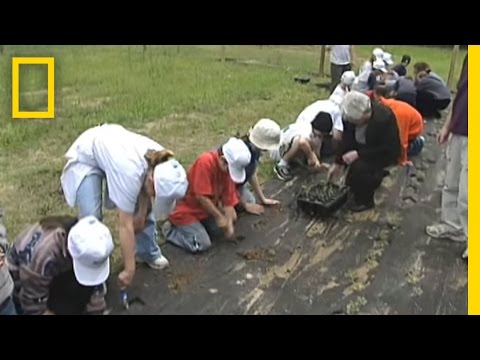
future so at the Indiana Dunes
Environmental Learning Center
school children work in the nursery
planting native vegetation it’s
extremely important for children to
understand where they live and what’s
special about the place where they live
so that they will care about the place
where they live
carrying people helped create the
Indiana Dunes National Lakeshore a park
in an area known mostly for steel mills
and oil refineries it’s a compromise
between industrialists and
environmentalists and it shows the
National Park is in pieces not
contiguous not connected with each other
and Industry and nature are existing
side-by-side here together as a result
of this compromise
since 1966 the park has acquired close
to 2,800 acres from a local industry
more than 500 acres were donated Weyand
destined for reclamation and habitat
growth the hope is to ensure the future
of Lake Michigan and the Greater Chicago
population
you
five Great Lakes a system that holds a
fifth of the world’s freshwater once
there was pollution everywhere today
while government regulations cleaned up
modern businesses pollution left over
from decades ago continues to be a
concern so over 50 60 70 years a lot of
these pollutants ended up collecting in
the bottom sediments of the harbors and
tributaries in the Great Lakes these
sediments sit at the bottom when their
storm events that roll through a lot of
these sediments get resuspended move out
into the lake are taken up by fish and
it’s it’s a significant problem
PCBs have been like out of use in the US
for decades and you they’re still
turning up in significant quantities in
Great Lakes fish working on the EP a
research vessel mudpuppy scottson house
key takes sediment core samples near the
lakeshore there’s probably chemicals in
there that we don’t even test for the
United States and Canada are concerned
about 43 areas with impaired water
quality the mudpuppy has tested about
half of them removing the contaminated
sediments throughout the Great Lakes
won’t be easy or cheap the cost is in
the billions but saving the lakes means
more than cleaning the water it means
keeping the ecosystem healthy in the
future so at the Indiana Dunes
Environmental Learning Center
school children work in the nursery
planting native vegetation it’s
extremely important for children to
understand where they live and what’s
special about the place where they live
so that they will care about the place
where they live
carrying people helped create the
Indiana Dunes National Lakeshore a park
in an area known mostly for steel mills
and oil refineries it’s a compromise
between industrialists and
environmentalists and it shows the
National Park is in pieces not
contiguous not connected with each other
and Industry and nature are existing
side-by-side here together as a result
of this compromise
since 1966 the park has acquired close
to 2,800 acres from a local industry
more than 500 acres were donated Weyand
destined for reclamation and habitat
growth the hope is to ensure the future
of Lake Michigan and the Greater Chicago
population
you
Please follow and like us: