
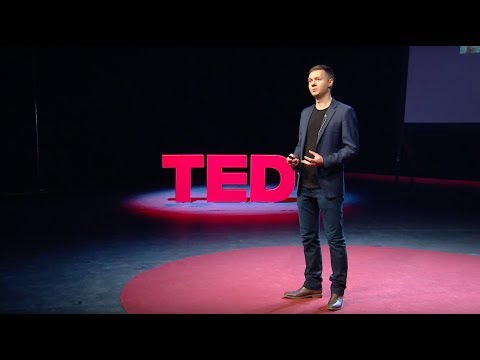
the year is 2012 this is a picture of my
co-founder Andrew and I and we’re two
software engineers we had just left our
jobs at Google and we had a dream to
start our company we’re young we’re
hungry and all we had was a name for the
company lean phone not much else well we
decided to go to an incubator called
tech stars in Seattle to learn what it’s
like to actually build a company there’s
a lot of great things you can learn
their fundraising you can learn how to
build a product but for me it was
actually one of the things you wouldn’t
expect that you would learn at this kind
of school that really struck with me
this is a ritual that we did every
Wednesday at 11:11 p.m. and we would all
gather together there’s ten companies
maybe about 20 people and everybody
shared their high and their low of the
week and this was it and all of a sudden
you can feel how people empathize with
each other you can feel a sense of
community people wanted to help each
other it was really powerful and that
really struck with me at the time I
didn’t think much of it but later on I
learned that this is probably one of the
most important lessons I learned in
techstars but before we continue I just
wanted to see a show of hands how many
of you have been told at some point in
your career that you shouldn’t mix
personal life with work or you shouldn’t
bring your personal life to work yeah
that’s that’s what I thought well Google
says there’s 49 million results about
that so you can read all about that and
you know this story is really about how
we went against this general rule of
thumb and how as a result of that we
build a company with a hundred sixty
people that is spread across three
continents and is a fast-growing company
with rating for a best place to work so
this is what I wanted to share with you
today well I was also told that I
shouldn’t bring my personal life to work
when I was an employee and it never
really felt right to me there’s actually
a study from Harvard University which is
the longest study on human happiness and
they they tracked the light so if it
started in the 40s I think in
lasted for about eighty years it’s still
going and what they determine is that
most people think that happiness comes
from money or fame even if you ask today
but in reality that doesn’t actually
correlate with happiness
what does is meaningful relationships
and so if humans are happy if we have
social connections and meaningful
connections why is it that employees are
any different well as a founder I have a
lot of perks you know I can pick the
product I want to work on I can pick the
location of our office but probably my
favorite Park is that I can also pick
the blueprints for the company that I
can start and so there’s a lot of great
companies out there there’s a lot of
different ways to build a company
there’s companies like you know Apple
that is more autocratic company they’re
very secretive about the way they do
things there’s companies like IBM that
are bureaucratic told process-oriented
there’s companies like Google where I
worked which is very engineering or
starlett organization but the kind of
company we wanted to do as start is is
different it was a company that was
based on putting the people first a
company that truly enables individuals
to connect with each other at work and
for that you do need to bring your
personal life to work this is just a
quick picture of one of our gatherings
that we do there’s actually a lot of
research on this I found a study at
Stanford University that mentions all
four of these types of companies and
turns out that culture driven company is
actually way more likely to achieve an
IPF well public offering compared to any
of the other ones yet it’s actually
really hard to build a culture first
company and I think facilities if who’s
one of my favorite entrepreneurs says
this really well that it appears that a
lot of successful high-growth companies
tend to follow Moore’s law
so Moore’s law essentially you double
the size of the company every 18 months
but you need to constantly reinvent the
company reinvent the way you do things
in order to keep it up and that’s what
makes it hard it’s not easy to just keep
adding more people you have to be very
thoughtful about how you preserve what
makes the company special in a culture
but it
same time that’s why these companies in
Europe because they have the ability to
go through the highs and lows of
start-up life and that’s why they have a
much higher success rate well we’ve
learned a lot of things along the way
and we’ve certainly had to adjust things
to make it work and I just wanted to
share some of the learnings we’ve had of
course when we started the company we
borrowed the highs and lows ritual that
we did in TechStars and it worked great
everybody loved it every Friday we got
together and then by the time we got to
20 people it was just taking too long it
would take 45 minutes to go through
everybody and I was sad but we had to
cancel the activity and eventually it
took us another two years to figure out
what to replace it with and I always
felt like there was something missing in
our culture because we couldn’t keep up
that really important piece of
connecting with the highs and the lows
and well we figured out is something
that we call big talk dinners it’s a
tribute to a Tech Talk on Big Talk and
so what we do is we get together and
just a lot of different ways to do this
maybe during the off-site or retreat or
even in the office and all we do is just
get around the table and we share a list
of Big Talk questions
Big Talk questions are unlike small talk
questions so small talk is asking how
your weekend was big talk is about
really trying to understand things like
well what do you really want to do with
your life you know a little bit deeper
and it enables people to connect in a
more meaningful way and this is work
really great for us so this is something
that we do across teams across
departments but also within teams and
it’s been able to scale as we’ve grown
the company we also learned pretty early
on that a lot of people when they enjoy
our company they they thought that it
felt like a family and they kept
repeating this and it didn’t really
strike me as the right word to use in a
family you can have a an uncle that
doesn’t like to do the dishes and you
can’t really do anything about that
right just you have to put up with it
but I feel like a better way to describe
what we do and who we are is a sports
team because a sports team really builds
really good good group dynamics but in
this in addition to that they also have
a common goal and with that common goal
they know that if somebody is
pulling their weight they’re gonna be on
the bench and this is really something
important that we have to instill and so
we changed the way we talk about our
culture from feeling a family to a
feeling of sports team and then the
other thing that didn’t scale for us is
how we actually enforce our culture
because when you hire you also have to
make sure that you screen in the right
people and I used to do all the culture
interviews I probably did hundreds of
them and at some point that just didn’t
scale and so what we have to do is
codify essentially what the culture
means what are the principles that we
can write down the values that we have
that everybody in the company can go in
and scream for and so we came up with is
lead humbly which internally we call
them no asshole role by the way we have
the being adore the skip politics push
innovation and showing a gratitude and
it’s just those five that we wrote down
and they work really well for us so in
essence what we found in the last
journey the journey of the last five
years is it may seem obvious to you but
it’s surprisingly controversial and it’s
that employee happiness really is human
happiness and if you want to be happy at
work you have to be able to bring your
personal life to work you have to be
able to connect with the people around
you I asked our managing director from
techstars about you know the low and
high highs and lows ritual and where it
came from and he actually shared with me
that that came from his personal company
he had started a company before he
passed that on to us as a way for us to
build our company and my hope is that I
want to pass all that to you as well and
if you’re considering starting a company
or you’re considering joining one
consider not just the product that
you’re gonna work on or the service that
you can offer but also the culture that
you can actually join because there is
really a new generation of companies out
there that really put people first and
care about employee happiness thank you
[Applause]
you
[Applause]
Please follow and like us: