
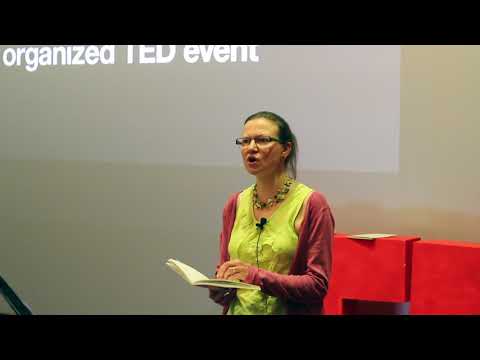
I’d like to start with a poem diet
it was the starch and dextran in
adhesives that attracted them to Bruce
Chatwin’s what am I doing here blue book
bindings photographs plaster sugar and
dandruff Oh what silverfish live off
flickering across delicious acts
minsters they would sample 200 year old
paint in times of famine they’ll make do
with linen and silk digest shoes I’ve
watched guernsey carpet beetles swallow
wool fur feathers and skin clothes moths
shimmer all winter in my great uncle’s
sofas his idea of pest control is to
keep his tweets in the freezer while
he’s sunning himself in Andalusia like
most pests in historic houses excluding
members of my own family they can go up
to a year without food take the common
book louse
for example it will devour each page of
a strain novel until alone with the
title then chew its way through the
covers savoring every word those were my
school holidays reading in old houses
silverfish nibbling my feet well I
wanted to share this poem with you
because it’s closely linked to a journey
that I’ve been on with my voice a week
before I wrote the poem I found myself
lying on the red and blue patterned
carpet of the whiskey bar of the
strongness Hotel upon Orkney the hotel
looks out over to scupper flow on one
side and to the high hills on the other
not like it’s the any of that from the
floor of the whiskey bar with its 54
different varieties yes I counted them
all
when I opened my eyes of me I saw the
head of a seventeen and a half stone
stag there have been shots on the 11th
of October 1912 and christen Linke later
the voice coach was thumping my chest
and she wasn’t trying to revive me
it was 9:15 in the morning and I hadn’t
touched a drop of whiskey so what was I
doing lying on the floor what I was
sighing with relief I was taking my
breath down to my pelvis I was feeling
my breath in my body in my hips in my
chest in my cheeks and enjoying that
resonance and I cried I cried because in
speaking my poems from the floor I was
finally allowing out all the emotions
that I very carefully held in check for
years and keeping them in had taken
enormous amount of energy and I also
cried because I’ve been told in school
that I would never get up on the stage I
would never be able to speak on the
stage I was far too quiet to speak on
the stage and I believe that for a long
time until I realized that something
could change that that actually I could
change that myself so it was a relief to
meet Christine Linklater and to discover
that I had a choice I could either
continue to intone my poems in the same
dull monochrome way that I’d been doing
for years
or I could engage with and speak using
the full range of human emotions that
are available to me through my voice
happiness fear anger sadness I sighed
with relief to think that I could allow
myself to mean what I’d written in my
poems that I could take away the war
that I put between myself and the poems
it was exciting to think that I had this
choice but of course it was also scary
it was very scary to be honest with
myself
and scary to be honest with an audience
well before that I had it might be
termed the poetry voice which has been
described by Kate Calloway in the
Guardian on the 1st of August this year
as that wistful singsong that has become
chronic poetry readings she goes on to
say so many poets would benefit from the
attention of a really good theater
director my particular pet hate she
notes is the way that poets
meaninglessly turn the last words in the
line upwards like a question that did
not need to be asked and all that was
true of me but I wanted to be able to
give more of myself away through my
words through my poems so I hunted round
on the internet to see who my label to
help me do this who could show me what
it might be like for my voice to let go
of all the external controls I have in
place when I read and instead to explore
another part of me and I came across the
name of Kristin Linklater
so I headed up to Oakley and on day one
of my sessions with Kristin I read her
sample of the poems from a manuscript I
was putting together titled banjo which
looks at the way music and the theatre
enabled the crew members of three
Antarctic expeditions to survive don’t
you care about these characters Samantha
she said to me I do but obviously that
wasn’t coming across in my voice I was
giving the impression that I didn’t care
enough about my characters what are the
key things that I’ve learnt is to be as
convincing on the stage as on the page
and that one way of doing this is by not
anticipating the ending in my voice not
to give away the end of the poem a lot
to comment on the poem in my voice but
instead to live the narrative word by
word to live the narrative image
image to be fully present in the poem as
I read it as I speak it and in some ways
to relive the poem well this was all new
to me and I had a shock when I read my
poem curtain court to christen to
realize that it just wasn’t having the
impact that I had intended when I wrote
it I was declaiming it in mournful tones
because it tells the story of how the
crew that terranova had to shoot their
horses before they headed south across
the ice-barrier I thought what it’s
supposed to be tragic inside isn’t it so
shouldn’t I read it like that Christian
said well no it’s actually a series of
ups and downs but in fact there are
moments of joy in the poem and that the
first few lines are full of excitement
of the excitement of discovery of
testing things out a fun and it’s only
after the first eight lines that the
difficulties start to show might indeed
be more interesting for my audience I
considered if I were to be alive to
those changes in the poem will not be
more convincing I discovered that the
way to do this is to breathe in each
image and to speak them out one at a
time being emotionally true in my voice
to each image and that I can do this if
I allow my voice access to the deepest
part of me to my solar plexus which is
the largest single transmitter of
emotion in the body so here’s my poem
curtaincall which I first worked on with
Christine upon walk me
we’ve been taking it in turns to undo
our shirts in -72 nurse Oates’s
frostbitten foot on our breasts jokes in
the tent are discouraged since even
laughing hurts yesterday
I threw a cup of boiling tea into the
air to see it freeze before it hit the
ice if I breathe near a sheet of my
diary the pencil slips across its
polished page as if I’m writing in a
book of glass our clothes crackle like
suits of armor we have to play the game
of statues to hear each other speak the
hardest part so far was ruffling the
mane of each Pony before we shocked them
on the barrier every night our sleeping
bags solidify two slabs of granite
so instead of rattling along and
anticipating the engine in my voice I
began to explore what might happen if I
were to hand over my voice to the
intelligence of my spine speaking it
speaking my poems vertebra by vertebra
on the floor from my tailbone as if each
vertebra will word in a sentence and I
began to feel my voice on my lips to
feel all the reverberations in all my
bones and to allow my body rather than
my brain to indicate where the
emotionally informed emphasis in the
poem come from where Kristin encouraged
me to speak with color in my voice and I
loved this idea that my voice could
change color that I might be able to
paint the ceiling purple the back wall
yellow spatter the floor with green and
red dots allow yourselves to speak using
all two and a half octaves from your
speaking range all those tones and
colors and emotions in your voice
because what happens is that what you’re
saying comes alive as if you’re saying
it for the first time and I think that
this applies not only to poets and
writers and public speakers but to all
of us who open our mouths and have
conversations every day which is
probably pretty much everybody in this
room instead of flattening out all the
emotion from your voice invest time and
energy and getting to know it because it
can change the way you share what’s
important to you with others it can
enable you to be and sound more engaged
with your friends your family your
colleagues whether you’re a poet or a
scientist a fisherman a farmer or
student or a school girl I’d like to end
with a poem about another journey
which looks at the story of Madame
Tussaud who spent several years
traveling around with her exhibits
before she finally settled in her Museum
in Baker Street on the road the thing
you’d think she would have been good at
was sitting still but Madame Tussauds
spent 36 years touring the country in a
horse-drawn cart packed with wax
effigies of the nearly dead the long
dead and those whose heads were freshly
off the block was both travelling
newspaper and a show whose cast stayed
motionless at all her gigs alone but for
her set of replicas jolting at every
pothole she take each face between her
hands and kiss it sweet good night in
Leicester Sheffield Inverness give talks
on wax the facts don’t model outside for
those who’d fallen out of favour
she chisel off their heads in Marylebone
Road right now people are standing in
lines to pay to fire past people
standing in lines have been dead for
years but made to look alive to make the
dead appear living the Living Dead
without quite meaning to is a skill I
can’t yet take in and one that started
life in death masks where she’d
reanimate forgiven before I go did you
know
madam herself was shipwrecked once off
the west of Ireland and all her wax
companions dived wide-eyed to the seabed
only to pop to the surface one by one as
the vessel rotted away and start on the
fish and thought this lot already dead
Please follow and like us: