
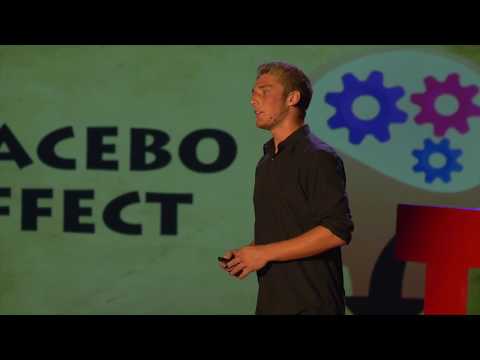
however they close your eyes don’t worry
your wallets are safe I’m still up here
on this stage I just want you to close
your eyes for a second and think about a
color thinking about something of that
color maybe think about past experience
you’ve had with that color just for a
few seconds I want you to focus on a
color and then just reflect okay now
open your eyes hello my name is Blake
Augustine I’m a junior at Thousand Oaks
High School and a member of Thousand
Oaks is Center for Advanced Studies and
research now what this class is is it’s
basically an undergraduate level applied
research class where kids like me can
apply we can get in and for two years we
get to choose a topic of our interest
and then just research we need to write
this big paper our junior year about
5,000 words but the entire year is just
research research research and finding
conclusions so in this class we have a
wide wide variety of topics we have kids
with sports we have a lot of music
topics but these didn’t interest me
initially crazy the athlete isn’t like
sports but the hardest part of me was
finding something I was truly interested
in enough to write 5,000 words about so
I’ve always been interested in
psychology but psychology is such a
broad topic that that almost didn’t do
for this class I needed to find a way to
refine this topic now there are many
different fields of psychology you have
forensic psychology of educational
there’s there’s so many fields I could
have went into but they were just simply
no end result to these topics it seemed
like to me there was nowhere I could
have taken these topics personally and
actually made a difference until I came
upon medical psychology now medical
psychology deals largely with something
called the placebo effect which I’ll get
into much later but for right now I’m
going to talk about the project itself
and how I got to the conclusions I have
today so the first part of this project
was finding something that I can
categorize people with if that makes any
sort of sense I’ll explain it I couldn’t
find a way to categorize people on a
psychological level initially because in
order to find
a correlation with medical psychology I
was focusing on I need to find a way
just to group people so I came upon this
the Briggs Myers personality index now
what this is this allows people to be
categorized by their personality types
so it asked what this excuse me what
this test does is it asked me roughly 12
questions and then gives you a
four-letter sequence to your personality
type so it tests extroverts introversion
says extrovert verse introversion and a
bunch of other ways to basically
categorize you and put you into one of
sixteen categories you see today
personally I’m an estp personality type
which is often called the entrepreneur
as you see right there roughly seven
percent of the population and have this
personality type so you can call me
unique but now that had this sort of way
to categorize people and he had another
another way to really dive into the idea
of psychology so out of nowhere
the idea of color came aloud so with
this idea of color I needed to find a
way to correlate it back to the
personality type you’ve seen now so
during this research I had to give out a
surveys roughly three hundred ten high
school students give or take and what
this tested was their personality type
along with the idea of their favorite
color so for the specific survey what I
decided to go with was the first letter
in the sequence for me it’s the e but
could also be an i what these letters
means the e stands for extraversion so
if you’re an extrovert you’re one who
tends to thrive off of attention you
tend to like attention from a crowd you
tend to like going at you out you’re
outgoing you like talking to people more
on a regular basis while introverts if
you have you an eye for your for your
sequence they’re more reserved they’re
more shy than more private not always
but they don’t thrive off the attention
that extroverts do so given the survey
like I said it would ask their
personality type Bunch in a disguised
way and just straight up their favorite
color and this is what I found for the
extroverts as inclusion see light blue
was a dominant color preference for this
group now
for some I don’t know why but only one
only 1.5 percent of them preferred like
green you see that tiny sliver on the
left that will be a significant for the
introverts that we see right now
introverts preferred light green to a 48
percent margin to light blue which is
insanely insanely different introverts
preferred light blue and only 5.5
percent
so clearly I had the data now to draw
some sort conclusion that okay
extroverts for the color light blue and
introverts prefer light green so I guess
that’s interesting but what now I talked
a little bit about medical psychology
the beginning of this and the placebo
effect so I’m gonna explain now what the
placebo effect is is the relationship
between the body in the mind in order to
achieve wellness through an inert
substance now in English that means
basically means mind over matter for
those who aren’t familiar the faculty
you can take an inert substance or MPR
medicine a cat capsule a syringe with no
actual medicine in it but achieve
wellness you actually heal faster from a
placebo than you do a normal medication
if you trust the placebo enough so this
phenomenon in pharmaceuticals is
currently outlawed it’s considered
unethical to prescribe a placebo because
there’s no actual medicine in it it’s
considered sort taboo to give to a
patient but it just seems like wasted
potential
like the placebo has been proven to cut
run time of illness by three days at the
minimum so my ultimate goal with the
correlation I found between extroverts
and introverts and their color
preference was how can I sort of
activate this idea of placebo analgesia
or the placebo effect and into a way we
can use it today in modern
pharmaceuticals so that’s when it hit me
I was I was at the doctor’s office one
week for the chronic sinus infection so
go to the doctor fill out some paperwork
whatever I go to the pharmacy I pick up
my medicine and I open it and it’s brown
which it could just be me but Brown just
doesn’t seem like a color for medication
it just it just doesn’t like I think of
whites I think of blues greens and Red’s
those just seem like more typical colors
for medicine so this was during the
midst of my research so obviously I was
immediately turned off this medication
and I just didn’t trust it
psychologically the color had more of an
impact than the medicine itself so
that’s what we’ll see oh if that comes
back in so I came to an ultimate
realization in my project we all go to
the doctor’s office we know there’s a
fat stack of paperwork you fill out we
know it asks some strange questions like
do you keep guns in your house like do
you wear seatbelt in the car which yeah
they’re fair questions but I didn’t go
into the doctor’s office for him to know
I have guns in my house or that wear a
seatbelt I wanted for exercise infection
so the deal with this project was that I
hypothesized that if we color coordinate
them the color of medication when you’re
sick it can actually enhance this
placebo effects that you see right now
so this project it really shaped how I
view people it’s almost as if every time
I look at someone now I’m automatically
guessing in their personality type just
by how I speak to them and then from
there I’m like oh I wonder if their
favorite colors light blue or light
green it’s just always in the back of my
mind and it was really difficult at
first because I had to take these three
seemingly unlike things with personality
color and the placebo effect just three
totally out there things I had to come
together sort of think outside the box
and come with tongue come to a
conclusion which I guess if my biggest
takeaway from today would be don’t
ignore things you think might not be
related because in some way everything
sore has a relation so whether it be
color or in personality type or anything
you see in your daily life I hope you
can sort of think outside the box and
come to your own conclusions today thank
you
your wallets are safe I’m still up here
on this stage I just want you to close
your eyes for a second and think about a
color thinking about something of that
color maybe think about past experience
you’ve had with that color just for a
few seconds I want you to focus on a
color and then just reflect okay now
open your eyes hello my name is Blake
Augustine I’m a junior at Thousand Oaks
High School and a member of Thousand
Oaks is Center for Advanced Studies and
research now what this class is is it’s
basically an undergraduate level applied
research class where kids like me can
apply we can get in and for two years we
get to choose a topic of our interest
and then just research we need to write
this big paper our junior year about
5,000 words but the entire year is just
research research research and finding
conclusions so in this class we have a
wide wide variety of topics we have kids
with sports we have a lot of music
topics but these didn’t interest me
initially crazy the athlete isn’t like
sports but the hardest part of me was
finding something I was truly interested
in enough to write 5,000 words about so
I’ve always been interested in
psychology but psychology is such a
broad topic that that almost didn’t do
for this class I needed to find a way to
refine this topic now there are many
different fields of psychology you have
forensic psychology of educational
there’s there’s so many fields I could
have went into but they were just simply
no end result to these topics it seemed
like to me there was nowhere I could
have taken these topics personally and
actually made a difference until I came
upon medical psychology now medical
psychology deals largely with something
called the placebo effect which I’ll get
into much later but for right now I’m
going to talk about the project itself
and how I got to the conclusions I have
today so the first part of this project
was finding something that I can
categorize people with if that makes any
sort of sense I’ll explain it I couldn’t
find a way to categorize people on a
psychological level initially because in
order to find
a correlation with medical psychology I
was focusing on I need to find a way
just to group people so I came upon this
the Briggs Myers personality index now
what this is this allows people to be
categorized by their personality types
so it asked what this excuse me what
this test does is it asked me roughly 12
questions and then gives you a
four-letter sequence to your personality
type so it tests extroverts introversion
says extrovert verse introversion and a
bunch of other ways to basically
categorize you and put you into one of
sixteen categories you see today
personally I’m an estp personality type
which is often called the entrepreneur
as you see right there roughly seven
percent of the population and have this
personality type so you can call me
unique but now that had this sort of way
to categorize people and he had another
another way to really dive into the idea
of psychology so out of nowhere
the idea of color came aloud so with
this idea of color I needed to find a
way to correlate it back to the
personality type you’ve seen now so
during this research I had to give out a
surveys roughly three hundred ten high
school students give or take and what
this tested was their personality type
along with the idea of their favorite
color so for the specific survey what I
decided to go with was the first letter
in the sequence for me it’s the e but
could also be an i what these letters
means the e stands for extraversion so
if you’re an extrovert you’re one who
tends to thrive off of attention you
tend to like attention from a crowd you
tend to like going at you out you’re
outgoing you like talking to people more
on a regular basis while introverts if
you have you an eye for your for your
sequence they’re more reserved they’re
more shy than more private not always
but they don’t thrive off the attention
that extroverts do so given the survey
like I said it would ask their
personality type Bunch in a disguised
way and just straight up their favorite
color and this is what I found for the
extroverts as inclusion see light blue
was a dominant color preference for this
group now
for some I don’t know why but only one
only 1.5 percent of them preferred like
green you see that tiny sliver on the
left that will be a significant for the
introverts that we see right now
introverts preferred light green to a 48
percent margin to light blue which is
insanely insanely different introverts
preferred light blue and only 5.5
percent
so clearly I had the data now to draw
some sort conclusion that okay
extroverts for the color light blue and
introverts prefer light green so I guess
that’s interesting but what now I talked
a little bit about medical psychology
the beginning of this and the placebo
effect so I’m gonna explain now what the
placebo effect is is the relationship
between the body in the mind in order to
achieve wellness through an inert
substance now in English that means
basically means mind over matter for
those who aren’t familiar the faculty
you can take an inert substance or MPR
medicine a cat capsule a syringe with no
actual medicine in it but achieve
wellness you actually heal faster from a
placebo than you do a normal medication
if you trust the placebo enough so this
phenomenon in pharmaceuticals is
currently outlawed it’s considered
unethical to prescribe a placebo because
there’s no actual medicine in it it’s
considered sort taboo to give to a
patient but it just seems like wasted
potential
like the placebo has been proven to cut
run time of illness by three days at the
minimum so my ultimate goal with the
correlation I found between extroverts
and introverts and their color
preference was how can I sort of
activate this idea of placebo analgesia
or the placebo effect and into a way we
can use it today in modern
pharmaceuticals so that’s when it hit me
I was I was at the doctor’s office one
week for the chronic sinus infection so
go to the doctor fill out some paperwork
whatever I go to the pharmacy I pick up
my medicine and I open it and it’s brown
which it could just be me but Brown just
doesn’t seem like a color for medication
it just it just doesn’t like I think of
whites I think of blues greens and Red’s
those just seem like more typical colors
for medicine so this was during the
midst of my research so obviously I was
immediately turned off this medication
and I just didn’t trust it
psychologically the color had more of an
impact than the medicine itself so
that’s what we’ll see oh if that comes
back in so I came to an ultimate
realization in my project we all go to
the doctor’s office we know there’s a
fat stack of paperwork you fill out we
know it asks some strange questions like
do you keep guns in your house like do
you wear seatbelt in the car which yeah
they’re fair questions but I didn’t go
into the doctor’s office for him to know
I have guns in my house or that wear a
seatbelt I wanted for exercise infection
so the deal with this project was that I
hypothesized that if we color coordinate
them the color of medication when you’re
sick it can actually enhance this
placebo effects that you see right now
so this project it really shaped how I
view people it’s almost as if every time
I look at someone now I’m automatically
guessing in their personality type just
by how I speak to them and then from
there I’m like oh I wonder if their
favorite colors light blue or light
green it’s just always in the back of my
mind and it was really difficult at
first because I had to take these three
seemingly unlike things with personality
color and the placebo effect just three
totally out there things I had to come
together sort of think outside the box
and come with tongue come to a
conclusion which I guess if my biggest
takeaway from today would be don’t
ignore things you think might not be
related because in some way everything
sore has a relation so whether it be
color or in personality type or anything
you see in your daily life I hope you
can sort of think outside the box and
come to your own conclusions today thank
you
Please follow and like us: