
the theme of giving a voice is really
intricate to my lab work as a physician
I have the honor and the great
responsibility to deliver women and
babies twelve weeks ago the most
extraordinary delivery of my life this
time the patient was my wife and the
baby there was this little guy who might
get the ring home now called my son I
want you to think for a moment I want
you to think for a moment about the
children in your life whether they’re
yours
whether it’s your nephews and nieces or
cousins I’m told this is what I’m
supposed to expect and see how they make
you feel who they are and how they are
you see that intensity of that feeling
that you have when you think about the
children in your life it allows you to
think about what your future will be
like when you yourself become a parent
or an uncle or an aunt and in this sense
life is very well made because a global
or the objective of evolution if you
will is the perpetuation of the species
to give literally a voice to the next
generation
now imagine for a moment that you
weren’t able to concede that forces
outside of your control denied you that
feeling that you must fire – for most of
your life it is a known fact that 20% of
us will have some problem in achieving
conception that means that one out of
every five of us will need someone of
medical assistance to become parents as
if the devastating diagnosis wasn’t
enough research has consistently shown
that big couples that struggle with
infertility experience higher rates of
social isolation and stigma than their
fertile counterparts and while most of
us find out there is a problem we try
for a year to become pregnant and can’t
there’s a very specific group of
individuals that know from very early on
in their life that they will not be able
to become parents at least not he did
finish in my way if you’ll allow me I’d
like to tell you a little story
one of such patients as a former medical
student here at McGill I was doing my
obstetrics rotation sterics we deal with
pregnancy and childbirth and I was asked
to see a patient that had delivered the
you had eight weeks prior we call these
the postpartum visit was part of meaning
after delivery and I have even to this
day those visits are my favorite visits
usually we have the mom who was
exhausted and looking like she hasn’t
slept in about two months which is
popping the gates
but she has that feeling that joy way
that just seeps from her being that is
still moving it’s the energy of of
motherhood but perhaps the most amazing
feeling comes from looking at the baby
the baby who is usually sitting in a car
seat with quiet
sleeping most of the time in just
looking in the direction of the baby
actually reinforces the idea that the
true miracles of life are really
pregnancy and childbirth this time
however it was different I opened the
door to the office and I found so the
meet was actually quite awake and
looking at the lights smiling at times
you mesmerize but the mom was crying
quite unexpectedly I put my hand on her
shoulder without saying even I work and
I handed her a box of tissues I haven
heard the time in his face to experience
her grief in whatever capacity she felt
she needed to he was clear that
something was wrong though I opened the
chart and I looked but the history the
medical history of the patient don’t to
find out that there had been some
complications during delivery and though
we have managed to save the baby’s life
the patient had lost her uterus during
delivery
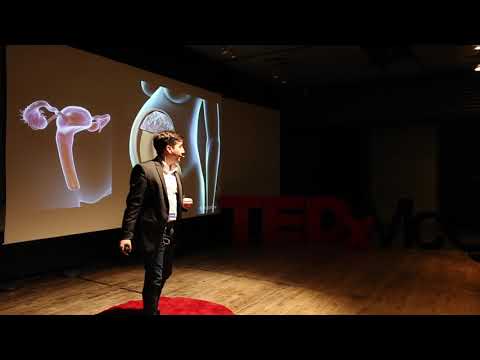
now the uterus is this magical organ
that actually allows that serves two
main purposes in life the first purpose
is its lining yet every month when a
woman has remonstration but the most
sort of interesting if you will they’re
all to the uterus is to hold literally
life within it it offered up a technic
environment for the pregnancy to develop
in and to prepare it for delivery for
those of you that I may have not heard
of what the uterus is itself it’s also
known as the womb I stood up in like in
the bun in the oven as the pregnancy
belly basically that’s what you’re
looking at now I have to tell you as you
can imagine no haben means no but this
patient actually had 14 siblings at home
she was the youngest and she had grown
up surrounded by kids all throughout her
life so yeah that she was never gonna be
able to have any kids anymore
it was crushing and devastating a lesser
known fact is that there’s about three
to five of every thousand women are
actually born without a uterus that
making more actually just like this
patient lose their uterus during the
reproductive age before they’ve actually
completed their families
back in the day it is still today in
fact when these people when these women
want to become parents the only
alternatives that exist are adoption and
gestational surrogacy which is basically
when you give your embryo to somebody
and they carry the pregnancy for you
this is rare and expensive but this is
really the only thing we’re able to
offer women until very recently as the
women countdown
it’s sort of regained or the foster her
boys she asked me one question that
would forever change my life
she said what could you give me somebody
else’s uterus so my sister’s not using
theirs anymore
I’ve looked at her and sheer disbelief I
must understand I was still a young
medical student I hadn’t really
experienced I guess medicines all that
much Anna heard of the heart being
transplanted the lungs the kidney the
liver for the unit and in fact to be
fair though if chicken soup and hot love
with a pair of you’re probably was
already beyond my expertise at that
point
so I kind of looked at her like I said
in sheer disbelief and we finished right
after I went home that day thinking
about City it was mesmerized by the idea
of potentially transplanting Google I
looked up in the medical literature to
see what had been done and in fact some
people had thought of this prior and
they had been a lot of animal trials
that had actually shown some success but
it had never really been tried in a
human being the International Federation
of gynecology and obstetrics which is
the governing body for a moment today
continuing document only to realize that
nothing was ever going to happen
regarding uterine transplant on with an
ethical framework would actually be
developed to fill the gap between animal
research and the human application in
soil is very fine is it okay I want the
next day I went to look for a supervisor
that’s what we used to do with medical
school I was clearly naive and
inexperienced and apparently it showed
because it did not go very well and in
fact some of the projections that I
heard we’re quite amusing
one staff said so let me get this
straight yes you want to give a woman
somebody else’s uterus so she can have
somebody else’s period
I said you missed the point
somebody else told me you know I have a
clinic full of women I’m gonna get rid
of the uterus and here you are telling
them you want to give me one that’s not
gonna fly the last one which I really
never forgot about but I came to a stop
that was you know quite well established
I mean I told about this ad and he said
do you have a man might be searching
areas have you I said no he says make
sure you wear protective gear when you
tell her about this all right with a
crushed ego but really again with that
sort of stubbornness that comes from
being an experienced than that Eve I
went to the next group of professionals
that might be interested in this my
fellow medical students the response
this time was massive if not to create
some sort of ethical framework it was
more to learn more about this procedure
the idea of actually contributing to
this debate at the international stage
but subpoenaing enough but again other
naive than inexperienced people like
myself will be watching joy would want
to join into the in Hindi endeavor I
found that interest similar mind ethics
and reproductive medicine and surgical
innovation and after months of research
the interesting questions some of which
I’ll share with you today I think you
can understand why that would be an
ethical concern when you want to address
giving somebody a new womb for example
why would you put somebody under surgery
I’m trying to see them put them through
all that risk if they can actually maybe
adopt or have a surrogate for much less
risk at the same time you can ask a
question well why would you spend so
much money and resources for a procedure
when even the organ you’re actually
transplanting it’s not even life-saving
you understand that means you you
couldn’t live with that part but you can
very well live with others
these kinds of questions really kept us
up as we developed our framework we
spoke with research teams all over the
world
we spoke with ethicist all over the
world and six months after this we
developed the Montreal criteria for the
ethical visibility of your own
transplantation now this is so those
will be there under science this might
not seem like a lot but when you
published in the medical journal without
a degree because we didn’t have any
published faculty because you don’t have
any departments it’s not so simple it’s
a water the majority but the much more
criteria actually served specific set of
conditions that have to be met by the
donor the recipient and they have 15
performing the transplant in order to
consider the whole endeavor as ethical
here too the response was massive we
were getting invitations invitations to
classes and documentaries press releases
editorial writers teams that why don’t
you contribute with us and again we were
understandably so very overwhelmed I’d
like to leave you
with a few of the questions that I think
will make you wonder just a little bit
about the potential that this might have
it is to be again accepted in society I
am proud to share with you that since
the inception of the material criteria
over 40 tutoring classes have taken
place all over the world 10 pregnancies
have been confirmed and about a handful
of babies okay maybe not walking around
yet but they’re crawling and they’ve
made medical history in the way that
they were born see this this is sort of
that little video of the procedure I’ll
talk you through it it’s just basically
in a way which we take the users from
the donor where we cut to make the
incisions for the vessels and then how
the organ is actually transplanted in
the recipient some of the interesting
things that I want you to think about
again even if you’re not will be fast at
the organ which has to be organ itself
the pregnancy belly if you will the womb
and the vessels that feed with the blood
supply what we don’t transplant though
is the nerves that are associated with
the years and these are the same nerves
ladies that give you menstrual cramps
and they give you contractions when
you’re in labor now that sounds like a
paradise but if you think about it when
you have eight years whose goal is to
actually host a pregnancy not having
nurse also means not feeling the baby
move which is one of the most precious I
guess experiences of pregnancy is it an
ethical to do something to achieve a
pregnancy if the pregnancy itself is not
at its top didn’t
excuse me at the same time there are
risks that are associated with a
transplanted organ every time that they
thank you rejection medication for a lot
of times taking that anti-rejection
medication to avoid to prevent your
immune system from rejecting the organ
you can actually you need you to have
medical problems if you take it for a
long time such will be the case for a
kidney or liver or a heart which you
keep with you till the day that you pass
this particular transplant if you think
about it once you’re not having your
pregnancies you remove it and then you
avoid the need to have anti-rejection
medication for the rest of your life in
this sense the uterine transplant is the
only transient precedent in the history
of medicine at the same time there are
benefits to the donor the person giving
the leader are you making somebody very
happy but you’re also removing your
uterus and so you were preventing any
chance of having uterine cancer later on
life the most interesting thing for me
though I’ll leave you with this but two
potential situations or scenarios when
you talk about transplanting a uterus if
they match it well when you travel on
organ you always have to have some form
of genetic compatibility so what we do
we look for family members first often
obviously in this case we only look for
women and so often we’ll look at the
mother whose daughter was born without a
uterus to the mother can if her uterus
to her own daughter if that daughter
then goes to have a pregnancy of her own
in nine years
it means that her baby will develop in
the same wound as she herself did
what kind of implications it might this
might have I get it psychologically
later it’s still on but perhaps the most
interesting thing has to do with the
potential of having men walking around
with the uterus and walk me around with
the pregnancy the take-home message here
it is when you got tells you that
something is worth pursuing go ahead and
do it then hey you don’t like that they
put message tell their friends tomorrow
there might be a man walking around with
a pregnancy in ten years thank you very
much
[Applause]
Please follow and like us: