
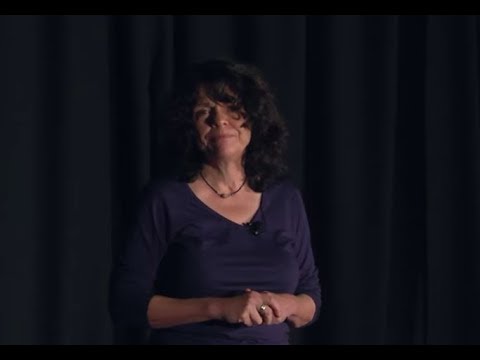
I had the great honor of being selected
a 2017 National Geographic Grosvenor
teacher fellow National Geographic sent
me courtesy of Lindblad extra
expeditions to small bar Greenland and
Iceland this past July I got to sail
around the top of the world on the ship
the National Geographic Explorer to
explore the Arctic and experience it and
bring that back to my teaching and my
community and oh gosh what an experience
it was
I saw animals that I have only ever seen
in zoos or on TV wild and free imagine
seeing a polar bear in the wild I saw
two of them I saw reindeer in arctic fox
walruses whales beluga whales humpback
whales puffins they’re so cute
oh gosh I saw horned larks these little
brown birds that we have here in South
Dakota during the winter I didn’t know
that they summered in the Arctic as an
earth science educator I was thrilled to
see icebergs they glow blue massive
towering glaciers I saw some of those I
walked on Moss so spongy it was like
walking on memory foam I experienced
24-hour daylight where the Sun never set
it never got dark not even close I
watched a glacier calves and that’s
where the facing edge part of it drops
off into the sea
and we were far enough away that I saw
it fall in silence this deep Rumble
reaching us a few moments later I talked
to people who have worked in the Arctic
for decades and heard how the sea ice is
changing I see the world differently now
and this is what National Geographic
specializes in exposing people to new
and amazing things to change the way
they understand the world the mission of
the National Geographic Society is
research conservation and education but
I suspect most of us think of it as
exploration and when we think of
exploration and explorers we think of
someone like Tommy Heinrich who was the
national team
graphic photographer on the Lindblad
expedition I went on tommy is originally
from Argentina he is a mountain climber
he has climbed Everest he was the
photographer on a National Geographic
expedition to climb k2 the
second-highest mountain in the world he
has climbed all over Patagonia all over
the world when it comes to being an
explorer he’s the real deal
and he tells a story that illustrates an
important point about what it means an
explorer in the spring of 2016
tommy was the photographer on the first
team from Argentina to ski to the North
Pole to get in shape they trained for
months in Argentina the plan was to go
to small barred and trained in arctic
conditions for 10 days before going on
to Basecamp they actually ended up in
Svalbard closer to three weeks base camp
was located on ice a crack had developed
in the landing strip the plane couldn’t
bring them in it was touch-and-go they
didn’t know if they could get to
Basecamp they did at the last minute and
from there a helicopter took them to
their Stewart starting point 120
kilometers from the North Pole it took
them 12 days to ski that 120 kilometers
which is slightly less than 75 miles
they had to pull all their gear and
equipment and provisions on sleds over
polar ice and polar ice this isn’t a
flat room trail they were skiing on they
had to pull their sleds over pressure
ridges where the ice heaves up to five
six feet high somewhere about my height
they had to negotiate crevasses these
long deep wide cracks that open up in
the ice sometimes overnight so you never
knew what was going to be from day to
day on the last day it took them more
than three hours to ski 800 yards
because they were on thin ice but they
made it they got to 90 degrees north and
Tommy had gone out a little bit ahead of
the team just before they reached the
North Pole he was within sight he was
setting up his equipment so he could do
some photography and filming and he
hears a helicopter in the distance in
the helicopter land
and it’s about 30 yards away from Tommy
the door opens and out come 15 guys and
they put on skis and they put on sleds
and they start skiing around the North
Pole and after about 15 minutes they
stop they take the gear off load up the
helicopter and away they go and Tommy is
standing there watching this and when he
tells the story I can only imagine what
his expression was when he was actually
there but when he tells the story even
now his expression is really when we
look at this scene we can tell at least
from the outside who had the Explorers
and who are not helicopter guys we
didn’t train you didn’t do the work not
explorers Tommy
you’re the Explorer and I would agree
but not because he goes on grueling
expeditions there is more to being an
explorer than that the metaphor of an
iceberg helps us understand what it
means to be an explorer an iceberg has
this above the surface part and this
above the surface part it’s beautiful
it’s compelling believe me when you see
it you’ll say wow it’s inspiring
but icebergs also have this below the
surface part and this below the surface
part is massive in fact it takes up most
of the mass of the iceberg it’s just as
beautiful it’s just as compelling but
it’s hidden in being an explorer the
above the surface part is being the
National Geographic Explorer or being
the mountain climber the below the
surface part they hid in part it’s
having the Explorers approach to life
those habits of mind and practices so
you think and act like an explorer and
if you do not have this below the
surface part this mass you’re a
helicopter guy you’re not an explorer
and if you do this is the idea worth
spreading you are an explorer based on
your approach to life and it’s not just
me saying this this is National
Geographic
saying this National Geographic created
a framework of the attributes of an
explorer they use it mainly with their
educational outreach which is how I
learned about it they developed it with
input from experts in many fields
including their staff and above the
surface types of explorers that they
work with when I first saw the framework
I felt this little clique of recognition
the framework had outlined things I had
started to do in my own life personally
not as an educator I started to do these
things mainly because I wanted to live a
life that was more integrated with
nature and the outdoors and honestly I
wanted my life to be more interesting at
least to me I didn’t know that I was
getting this explorers approach to life
but I believe having this mindset it’s
part of the reason I was selected as a
grosvenor teacher fellow there are four
habits of mind and practices that will
get you having the Explorers approach in
your own life this is not an extensive
list there’s more to being an explorer
but this is where you can start they are
be active observe and document what’s
around you welcome experience value the
earth let’s start with being active now
being physically active is technically
not part of the framework but the
research tells us being physically
active is an important part of being
mentally active which is part of the
framework and let’s be real when we
think of explorers we think of people
outside doing things not fitting they’re
endlessly scrolling through their phones
there’s a lot out there about being
physically active so all I will say is
this dr. Joe McGinniss was a speaker on
the Lindblad expedition he was the first
man to scuba dive underneath the North
Pole he’s done things regarding the
Titanic working with Bob Ballard he is a
vibrant fascinating above and below the
surface type of Explorer he’s also a tee
you can be an explorer your entire
life and life is a long game it’s hard
to catch up on physical activity in the
second half those of you who are under
the age of 40 in here which is most of
you observe and document what’s around
you number to observe just means pay
attention with all your senses
so that you see really see the golden
glow of these beautiful October act two
afternoons we’re having and you feel the
frosty bite of an autumn morning and you
smell the spiciness of fallen leaves and
you hear the whisper of the wind well
we’re in South Dakota so maybe it’s the
roar and then you document it you
document it through journaling a field
Journal a nature journal a phonology
journal just carry a little notebook
with you Aldo Leopold was famous for
doing that if you don’t know who L the
Leopold is look him up later you will
thank me for that
protip make sure your notebook has
waterproof paper so you can take it
outside when paper gets wet it gets
thick you’ll learn that one the hard way
if you don’t to observe and document
through taking pictures learn basic
photography skills if you’re gonna take
pictures they might as well be good even
if all you will ever use is your phone
this doesn’t have to be expensive and
yes you can use your phone you can use
your phone to upload your photos and
notes to a social media account however
set your account to private your work is
first for you not your friends and your
followers not right away if you put your
work out for public consumption too soon
you short-circuit the process that can
take it from being popular to being good
once you get your work as good as you
know how to make it then you put it out
for your friends your family hashtag
hashtag go explore it
why because explorers are storytellers
now keep in mind as a storyteller you’re
the narrator you’re not the hero if you
make yourself the hero of the story
you’re a helicopter guy the hero of the
Explorer story is the world you
it’s story through what you observe and
document during your experiences this
brings us to our third point welcomed
experience particularly if it’s new and
unfamiliar even if it’s new and
unfamiliar only to you explorers look at
the unknown and unfamiliar with
curiosity not suspicion not fear this is
a universal hallmark of explorers they
want to experience and understand things
even if these things challenge them
they’re willing to stretch they’re
willing to change they’re willing to
take risks
they’re willing to be made uncomfortable
once curiosity and welcoming experience
become your habit of mind and practice
you will start to level up and one day
you will have an experience you never
thought you would or could guaranteed
and my case is giving a TEDx talk did
not think this was ever gonna be a thing
for me and finally value the earth I say
this not as some sort of feel-good quazy
spiritual kind of thing but rather a
reminder we and by that I mean every
single living person on the face of this
earth are made of carbon of hydrogen
oxygen nitrogen magnesium calcium
potassium the same elements that make up
the soil the water the air every atom of
every element that spins within us has
come from the earth and one day all
these elements will return to the earth
and become part of something else the
soil the water the air we are connected
to the earth and by extension each other
in ways we rarely consider and barely
comprehend once you start to do these
things that explorers do you will
discover a beauty to the earth that goes
beyond that which is pretty or scenic
you will learn its
secrets and I hope you will feel a sense
of wonder of awe of connection and most
of all responsibility not just for the
earth but to it a responsibility to the
earth is doing the right thing based out
of respect and relationship I can’t
promise you if you do these things be
active observe and document what’s
around you
welcome experience value and be
responsible to the earth that you will
find yourself climbing a mountain or
hiking through the jungle but I can
promise you if these are your habits of
mind if this is your approach to life
you are an explorer it’s your world go
explore it thank you
[Applause]
Please follow and like us: