
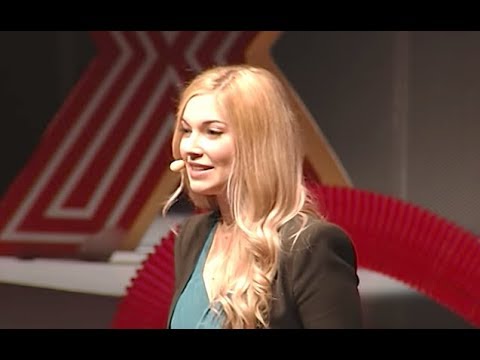
I want to take you on an adventure into
the weird world of memory hacking what I
want you to do is to rethink memory I
want you to think about your memories
rather than as accurate recollections
permanent records of the past instead of
that I want you to think of your
memories as stories stories that you
tell yourself to make sense of your life
why you’re here who you are stories that
you tell other people part of your tribe
showing that you’re part of the group
this is who we are but before I begin
this journey into memory science and
understanding how easy it is to distort
these stories I’m going to tell you a
little anecdote it starts with my mom
and it ends with my aunts so here’s a
situation my mom went to Switzerland on
this trip to Switzerland
she went into well to get her car and
she was in a garage underground she gets
into the passenger seat of her car my
father gets into the driver’s seat
these tried to exit the garage on the
way out there is a man standing at the
exit blocking their way out of this
garage he’s clearly not well he’s
talking to himself he’s disheveled and
my mom to try to get him out of the way
gets out of the car and says sir can you
can you please get out of the way and
the man instead of responding the way
normal people would which is by moving
he runs at my mom pushes her into the
car and starts punching her now my dad’s
response to this is to drive away of
course everyone’s in shock and they get
out of the situation and my mom is okay
but of course for my mom this was an
earth-shattering moment a stranger
randomly attacked her this kind of thing
had never
happened to her so what does she do
naturally she tells her family about it
she tells her friends about it the story
is told full of emotion now a year later
my aunt is telling the same story full
of emotion full of confidence and
conviction full of details and claims
that she was in the backseat now that’s
impossible I said this story happened in
Switzerland my aunt lives in Germany
even when confronted with this fact that
there is no way she could have possibly
been in the back of this car she doesn’t
want to let go of this memory because it
feels so real so how do we find
ourselves in a situation where we
confuse things that we think we’ve
experienced or memories with things that
we’ve actually experienced so this is
where I’m coming from this is where our
stories begin and so if we rethink our
past as a story and we think about
writing these stories and who gets to
write these stories who gets to write
into our memory bucks it might be a
little more complicated than we often
think and ultimately what we find is
that just like my aunt’s was not
actually the witness of my mom’s crime
as much as she might identify as this
witness this may have an important part
of her personal narrative it’s not true
and the same thing goes for you that
there might be important moments of your
life memories of your childhood memories
of lost loves that don’t make sense at
all
and so you might not actually be the
person you think you are certainly if
you’re resting your identity on your
memories so I want you to dare to
question your memories and no memory is
off-limits just because it’s emotional
or complex just because it feels real
doesn’t necessarily mean that it is so
question your memories how do I know
that this actually happens because when
you do that you dare to
yourself who am i and if you can’t trust
your memories what then
and ultimately it leads you to question
your reality so let’s talk about that
what is your reality so before we even
begin to talk about distorting memories
let’s talk about where memories begin
memories begin at perception now that
doesn’t need to be perception of the
real world that can be perception that
can be an idea that can be something
that we think about because we can also
remember things that we’ve thought about
our dreams but often we talk about
perception in in real life and of course
here neuroscience and and people who
study psychology like myself are very
clear that you have a unique perceptual
filter every one of you has a different
set of eyes different set of ears
difference smells but that’s not where
it ends you also have a different
worldview
you have a completely different set of
memories that you bring into every
situation and those matter you could
even argue that we’re living in a
simulation reality as you know it only
exists to you
and so from their very inception from
the very beginning of a memory it’s
already filtered it’s already tainted
let me give you an example of how
perception can filter how we make
decisions and ultimately how those
memories of our lives of things that we
think are important I can change how we
well make decisions so all right this is
a study I did with Steven Porter lanten
brink and Natasha korva in published in
2013 or what we did is we gave
participants a photo and we said
alongside this photo this person was a
murderer this person or at least is
convicted is not convicted is a a
suspect in a murder case
so this suspect we give you the case we
give you pieces of evidence 11 pieces of
evidence in increasing severity now what
we find is that people generally the
more evidence they get the more
likely they are to convict someone and
that makes sense but there is one
important difference in terms of how
many pieces of evidence you needs to
convict someone and that has to do with
how trustworthy the picture the person’s
faces so you look at someone and in that
moment you make a snap decision I trust
this person or I don’t trust this person
and you’re basing that decision as to
whether or not this person might be
capable of this horrendous crime that
were accusing him of just based on your
memories this is in general what society
has bombarded you with this is what an
offender looks like and if a person
matches that stereotype you’re more
likely to make a bad decision and so
what we found is that people who look
less trustworthy need fewer pieces of
evidence to have a juror reach a guilty
verdict and and this is what’s most
important I think I think is that when
you give people exonerating evidence
when you give people an eleventh piece
of evidence that says actually the DNA
in this case doesn’t match the suspect
or arguably most people would say oh
well that makes sense to them say oh not
guilty
so to exonerate what we find is that
trustworthy people are much more likely
to be exonerated than untrustworthy
people so again this perception in the
moment is clouding your decision-making
and so you’re bringing that to the table
it’s changing your worldview so
perception influences our memories
perception influences how we remember
people and how we interact with them and
so that can be distorted and that can be
distorted by things that we don’t even
notice but before we move on to the old
the penultimate thing that I want to
talk about which is memory hacking which
is how we can actually actively distort
people’s memories let’s also talk a bit
about the brain because you need to
understand how the brain works in order
to understand why memories are so
flexible so slippery every day you wake
up a new person now the reason for that
is that your brain is constantly
changing from the beginning of the
sentence to the ends of this sentence
your brain looks different and that’s a
good thing because it means that you’re
able to be creative you’re able to
you’re able to take on new information
and weave it into your brain in a way
that you can possibly use later and so
if you understand that your brain is
constantly in motion you also
understands that this hugely complex
organ if we break it down into a network
and to the network that is a memory we
see that it’s possible to forget things
to remember things and to misremember
things now if you think about memory as
a network forgetting is when you cut the
connection between two parts of a memory
now when we talk about memories of our
lives of autobiographical memories what
we normally talk about are things like
oh I felt this I heard this I saw this
they’re called multi-sensory details
they’re complex and these multi-sensory
details are actually stored in networks
across the different parts of the brain
that are each responsible for those
sensations which is why we can relive or
feel to relive these magical times in
our lives but when we forget what
happens is that you cut a connection
between some of these sensations some of
these details and when you miss remember
or you have a false memory which is what
I study you reconnect pieces or connect
pieces for the first time in ways that
were never originally together so you
might think oh I remember that smell but
then you have it in the wrong place so
you’ve connected things that aren’t
supposed to be together and that’s the
basis of memory errors is that you’re
flexible brain is creatively recombining
things so here we move on to the last
part which is I think the most exciting
which is the social influence part the
idea that your memories are not just
your own your memories are subject to
social influence so back to the stories
if you think of your memories your all
of your memories as living in the
library now that library sucks it’s a
really bad library why because people
can
walk into the library they can take out
the book they can rip out pages they can
cross things out they can write over
them in fact every single time that you
take a book out of your own library
you’re required to delete the whole
thing and rewrite it from scratch and
then you put it back in the shelf now
this will also change depending on who
you’re talking to so if you’re talking
to a friend you might change your story
a little bit
you might enhance the parts that the
person is responding to positively that
they’re uh yeah and you might ignore or
delete the parts that the person is
going on this isn’t very interesting so
who we’re talking to matters and if we
arrived at my research which I’m going
to describe now which is that I convince
people that they committed crimes or had
other emotional experiences that never
happened things like you would come into
my lab and I might convince you that you
were attacked by an animal that you lost
a large sum of money or that you injured
yourself alternatively because I’m a
criminal psychologist I’m also
interested in trying to convince you
that you committed a crime a crime like
attacking someone attacking someone with
a weapon or stealing something all with
police contact now what happens in these
situations is that seventy percent of
the participants ultimately come to
accept this alternate reality as I’ve
suggested it to them and they start to
tell me like my aunt’s all about it this
is why I did it here is a situation
who’s who here’s who I was fighting and
the way it works is that I get
participants to come into my lab and I
tell them I start with trust I tell them
and I say I’ve contacted your parents
these are University students I’ve
contacted your parents and they said
that six years ago you attacked someone
what do you remember and they say I have
no idea we’re talking about an egg okay
do you want to try something the
psychologist asked you if you want to
try something be careful
and of course everybody says yes yes I
want to try this because they think and
this is key they think that I know
something about their lives that they
can’t remember so they need to trust me
they need to think that I actually have
this information and then I say okay
let’s try this imagine what it could
have been like let’s try to dig this
memory out and what we find is that
after repeatedly imagining the event as
it could have been three times over
three weeks people have an increasing
difficulty distinguishing between things
that they just imagined and things that
they experienced and now we’re back to
our flexible brains because the reason
it’s so difficult to tell the difference
is that actually in the brain imagined
experiences and lived experiences can be
identical especially if you get people
to imagine multi-sensory components what
did it smell like what did it feel like
because that’s usually what we use as
the marker to distinguish the two so
what I want is for people to move away
from the idea of truth versus lies fact
versus fiction at least in terms of our
memories and to embrace it sometimes
things just aren’t that black-and-white
and I think this isn’t particularly
important for the legal system so I work
with the courts I work as military and
police and I think especially in justice
settings we need to be very careful not
to assume that someone must be lying
just because they’re saying something
that’s demonstrably untrue because what
we might have instead is a much more
gray area that’s somewhere between this
fact and fiction lie false memories
fiction that’s woven into our stories so
I want to leave you with this I want you
to be cautious curious and kind I want
you to be cautious think about how
you’re remembering things and things
that may have influenced how you
remember was there someone eagerly
watching your memory was there someone
giving you feedback giving you leading
questions was there a therapist or maybe
a police officer or maybe a teacher or
parents overly zealously asking you
questions and saying oh no no but don’t
you remember
this be careful as to where they came
from be curious when other people are
remembering things you cry I’m not sure
if that’s true ask them do you have any
evidence that this actually happens and
be kind just because someone’s saying
something that’s demonstrably untrue
don’t assume that they’re lying
this helps me with my aunt’s quite
significantly so I want to leave you
with the idea that you are the curator
of your memories only you have control
over who gets to go into the library who
gets to tear out pages and scribble over
the margins so be careful because if you
let too many errors slip in you might
realize that your memories are just an
illusion
[Applause]
Please follow and like us: