
while Europe lingered in the Dark Ages
the splendor of the Maya world was
reaching its zenith their temples soared
hundreds of feet into the heavens they
developed a system of hieroglyphic
writing works of art and sculpture
displaying the Mayas intricate sets of
style
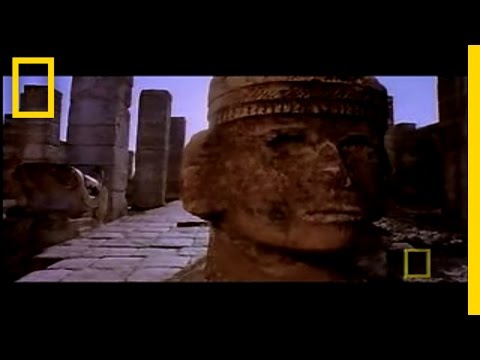
and here in Mexico’s Yucatan Peninsula
they built the great city of Chichen
Itza the city takes part of its name
from the large wells that were its only
permanent source of water
Spanish records report that live victims
were thrown into the sacred well as a
sacrifice to the rain God chop who lived
in its depths the Maya also built this
circular building believed to be an
observatory by carefully watching the
Stars the Maya developed a 365-day
calendar and could even predict solar
eclipses chichen itza was also
influenced by other cultures around the
year 1000 experts believe this famous
Mayan city was invaded by foreigners
among them possibly the Toltec of
central Mexico and the utt saw people
it was the Utz uh who built the city’s
most famous building a pyramid
the Spanish called El Castillo or the
castle this seventy nine foot pyramid
has a total of 365 steps the same number
is the days in a solar year and it
guards another secret testament to the
Mayas skill at math and astronomy twice
a year on the day of the spring and
autumn equinoxes a shadow falls on El
Castillo in the shape of a serpent as
the Sun sets the snake appears to
wriggle down the steps of the pyramid
until it finally joins the Serpent’s
head at the base of the staircase
chichen note says ball court is the
largest known ancient ball court in the
Americas here players would strive to
hit a 12 pound rubber ball through the
scoring rings set high on the parallel
walls at the end of this deadly serious
game the losers would be sacrificed a
bustling trading centre past the Year
1000 to Chen na endure long after other
Mayan cities had been abandoned but
eventually it likely fell victim to the
same forces that felled other Mayan
cities a combination of prolonged
droughts exhausted soils and a top-heavy
class of boys whose costly Wars and
lavish rituals over
laughs the Maya people sometime in the
1400s the people of Chichen itzá
abandon their City to the jungle but
today it’s imposing ruins still stand
amid the rainforest an impressive and
enduring monument to the proud Maya
civilization that built it
Please follow and like us: