
they say history repeats itself but
segregation has no place in our modern
world welcome to watchmojo.com acts in
this installment we’re counting down the
top five apartheid back before we begin
we publish new videos every day so be
sure to subscribe for more great content
in South Africa the country was divided
along racial lines for decades under the
classifications of white Indian colored
and African also referred to as black
different groups have their respective
rights and freedoms limited or stripped
despite making up over 73 percent of the
population at the time of apartheid
those identified as black received the
most inhumane treatment we’ll be
exploring the history and horrific
realities of apartheid if you did this
in South Africa then that arrest you
guys you couldn’t during apartheid you
couldn’t while that arrest the black oh
they just asked you not to do it again
number five it rose from a long history
of repression while apartheid only
officially began in 1948 the wheels have
long been in motion one can arguably
trace its roots back to the initial
seizing of traditional Khoikhoi
territory by the Dutch in the 17th
century by the time the British annexed
the Cape Colony in 1815 quickly inflate
alike were forced to carry passes while
travelling and while slavery was
officially abolished in 1833 indentured
labor laws effectively continued the
subjugation of Africans in the colony in
1913 with South Africa a self-governing
Dominion the government passed the
native land act which severely
restricted the rights of blacks to own
land limiting them to only 7% of the
first outline over the next few decades
additional acts were passed to further
limit the mobility and rights of black
people and force them to live in
reserves leading up to apartheid number
four the day-to-day realities were bleak
under the rule of the South African
National Party the newly introduced
formal system of apartheid took
segregation to the extreme smart or dumb
you are born into this
and smart or dumb or giant the only
African to officially remain in cities
were those who are there to work and
were not permitted to live outside the
designated areas they were not to travel
without documentation justifying their
presence and had access to incredibly
limited resources and services
everything from beaches to park benches
were only for the use of specific races
but blacks and other minorities weren’t
just second-class citizens living in a
white world millions of them were
forcibly removed from their homes and
relocated to one of ten black homes
known as bankers families those who
avoided relocation typically lived in
impoverished black township water here
is scarce and polluted number three the
oppression took many forms and has bars
change and we need to change as well
from the very beginning the African
National Congress or ANC actively
protest apartheid through boycotts and
strikes
despite their actions conditions
continued to worsen and a decade later a
group separated from the ANC to form the
pan-africanist Congress just a year
after forming 69 of their members was
killed by police when peacefully
protesting in Sharpeville criticism over
the incident played a key role in South
Africa leaving the Commonwealth those
the ANC and TAC was subsequently
outlawed by the government but went
underground and embraced armed
resistance and sabotage tactics in the
1976 sourdough uprising students marched
against the fullest adoption of the
Afrikaans language in schools police
fired on protesters killing 176 people
many of whom were just high schoolers by
the 1980’s South Africa was the subject
of heavy criticism and sanctions from
the international community number 2 a
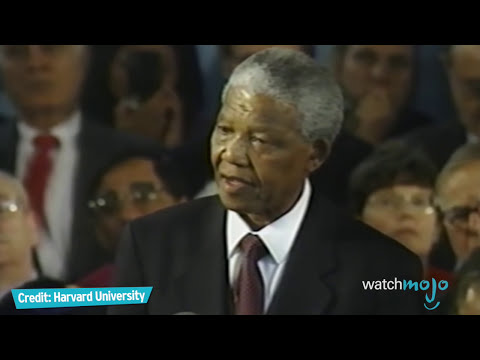
legendary figure of resistance Nelson
Mandela a walk to freedom and equality
swims-a-lot still to be a long one I
have
among the many radical leaders of the
anti-apartheid movement Nelson Mandela
is the most widely known for his effort
and with good reason while during his
time as a revolutionary his willingness
to embrace armed violent
was the topic of heated debate history
now remembers him as a true hero shortly
after the aforementioned Sharpeville
massacre he co-founded sphere of the
nation also known as MK which employed
sabotage as its primary means of
fighting apartheid Mandela allegedly
chose this tactic as it was forceful but
non-lethal he was eventually arrested
and imprisoned from 1964 to 1990 four
years later he became the president of
South Africa controversies and critics
assigned he is widely recognized as a
universal symbol of social justice
forgiveness liberates the soul it
removes fear that is why it is such a
powerful weapon number 1 the end of
apartheid free South Africa you dumb son
of a bitch we previously mentioned the
international pressure plus on South
Africa to end apartheid but even faced
with such criticisms the National Party
continues to try and defend their system
of racial division the most notable
attempts came in the form of various
apartheid reforms they repeal the
legislation had previously prohibited
interracial marriage and Sachs
they also designated some public places
such as beaches and repealed pass laws
in the late 80s for such attempts at
compromise were unsurprisingly
ineffective at quelling resistance or
pacifying the international community in
1989 President voter and the whom such
reforms have taken place was replaced by
FW de Klerk who made his agenda clear
serious change Mandela was released
anti-apartheid groups were made legal
and over the next few years
apartheid was slowly deconstructed
culminating in the 1994 elections and
Mandela’s presidency so which of these
facts did you find the most interesting
check out these other great clips from
WatchMojo and subscribe for new videos
every day
Please follow and like us: