
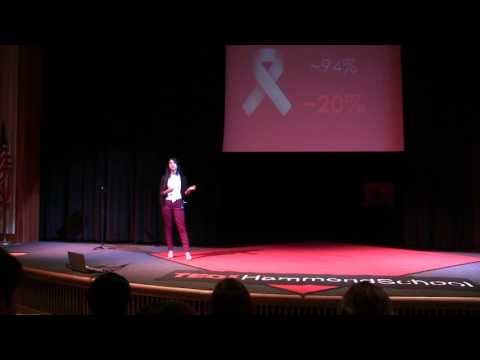
good afternoon everyone so a long long
time ago like a long time ago there was
no internet and an even longer time ago
there was no radio advent radio waves
made it possible to communicate
instantaneously across the enterprise
world war 2 the Germans realized well we
have high tech radio communications we
need high tech decryption mentis
especially when you’re sending messages
related to the important battles people
consider you don’t want those to be
intercepted well other countries working
on this the Germans were the first to
actually in there the Germans were the
first to invent this machine called the
Enigma and this instrument is
essentially looks like typewriter with
the keyboard and what you choose input
your message and it out for the chipra
SH you can then send your gibberish
excellent message over the radio and on
the other end you have another group of
people and they input the gibberish and
out comes real message so essentially
this complicated encoder is able to
ensure that your information is pregnant
well more won’t grow more turns over but
there’s still some encoding that needs
to be done but this time it’s a long
available and the scientists are the one
who are at war our body is an
increasingly complex system made up of
multiple organs and layered over various
tissues do you have millions of cells
that work together to communicate and in
a in a very complex ecosystem and one of
these players
in this step this can result in a whole
slew of health problems and disease it
is what we can identify this grow
through molecules that we can call them
biomarkers and these are essentially
indicators online biological processes
when we can identify these markers we
can prepare and plan for the proper
course of action and intervene when it
is most appropriate and also you’re
probably more familiar Booth’s than you
may think when you go to the doctor’s
office and you have your blood drawn
your blood is and they tell you well
come back with you days and we’ll call
you in a few days results well during
that time your blood is sent off in a
little package to a lab for they’re able
to perform with a wide variety of tests
and screen for molecules like cluster
ala Lucas and these have a good
indication of whether your risk for
heart disease or diabetes but biomarkers
are not exclusively for the doctor’s
office they are also able for our homies
the most common example is where a small
presence of a hormone in your urine can
cause an indicator to turn pink and
indicates that your event your family is
going to change the commission
biomarkers the goal of identifying
biomarkers for s decoding the body is
not even low something finished one such
example is a variant cancer one detected
early ovarian cancer our patients have
privately on the first five years pretty
good button but the other remaining
people that was incredibly great only
20% of cases of ovarian cancer are
actually detected earlier and that’s
just not good enough and it’s not alone
this is just one example is just one
disease neurological disorders make up
an entire category of disorders or
biomarkers are currently underserved and
the strangest this includes diseases
like dementia autism ADHD depression and
addiction in my lab at the University of
Georgia we focus on understanding
neurological disorders such as addiction
which is characterized as a chronic
relapsing disorder given by
uncontrollable drug seeking despite
promises to yourself or others and with
that we focus on the brain now we study
a specific class of molecules colors
which are essentially facts you may use
them as oils in your home cooking or
good foods that are high in fats these
facts in brain and in the body have
incredibly important to see a lot of the
world’s studies have shown that lipids
played a big role in mediating some
responses to addiction these include
terms like synaptic plasticity in their
modulation and our research has the
hypothesis that in the brain within a
region within specific regions such as
in the campus a region involved in
learning and memory that lipids play a
role in regulating some of the responses
to drug use and then we can exploit
understand
these and five markers for addictions
this is going to include it some
questions like is someone multiples
addiction for the first place are they
likely to relapse these lipids are
differentially expressed throughout the
region like a mentor for campus learning
and memory we think about we learn new
things in school but learning and memory
are really important to drug seeking in
the first place you learn to associate
drug reward behaviors and memories and
those become reinforcing in your brain
the bigger goal of this is cancel it so
we identified the brain can be Neeson’s
biomarkers most people are not going to
want their brains being isolated
instructors so he screamed for these
Olympics in the bottoms up and see that
it so we walk you through scenario let’s
say we have an X and we want to see how
does regulate it we have three possible
hours if we were to compare an addictive
individuals lipids to non-addictive
visuals the first outcome is that in the
addicted individual these with levels
increase another scenario it would stay
exactly the same which would sort of
imply that is exactly the same uniject
is not addictive
that is probably not being affected by
the addictive state the third outcome is
that it decreases and regardless of
whether it increases or decreases both
either way we’re interested in that
because it’s a change change from the
normal free stuff all right I’m plugging
things love it
next two years they look at X is just
one of hundreds of thousands of lipids
throughout your body in your tissues so
how do we know which one that we must be
how do we know which one they go after
it specific disease dates well the
approach that we use in our line is a
quick and dirty method called a shotgun
approach and essentially it is the
analytical analysis of thousands of
little species simultaneously you
analyze all the same time and you hope
that one will stick and have a
meaningful relationship within your sea
state using this approach we have
identified if you look at candidates
does any pop promise within the context
of addiction shown here is just one of
them now before we focus on this we’re
studying the brain I’m not the point
Ryan isolating human brains but I am
working with growth models rats are
gonna behavioral model for addiction so
we try to mimic the condition that was
seeing people for me model things about
what relapse and accidents and so once
we were able to establish that
behavioral paradigm we can then this
assessor break and see how the addicted
brain has changed so shown here is just
a section with a little cut of the brain
and this limit species is called
hospital 38:56 that’s just a fancy name
for the one cooler structure if you look
at this image you’ll see that there it
is on color gradient now the bluer
colours indicate lower levels of slippin
where the red Pink’s indicate higher
levels within and throughout the entire
brain section in the drug user we have a
complete obliteration of that and that’s
really interesting because that I think
I should be clear clear there this is
not whether you use the drug or not this
is a persistent change that has
permanently changed in the brain five
markers truly have the potential to
transform the field of healthcare by
making it more personalized to patients
by using your body as a metric for
today’s progression and agreeable to
decode the human body we can be there to
make better change in the future
[Applause]
Please follow and like us: