
[Applause]
thank you very much for inviting this
beautiful event and I see we have people
here that are ambitious to do something
so now I tell me something about also
something on your future but it’s not
even IT it’s horrible environment how
can we protect it how can we use our
resources what if I don’t think we can
start what should we all switch the
circle and calming oh this is three
months bar me and my colleagues spectrum
Katerina and we are Walter environmental
consultant six Lakia we have been doing
this for 14 years although we not hope
that all of this as we are but we were
living tweet blog project and two years
ago we went on one seminar about circle
economy here in Slovakia and it was
helped by the anathan health some very
famous consultant from from home and she
really spiraled up it does that we have
to bring circle economy to Slovakia and
why should we do that everything that is
around us it’s made out of materials
whether it is yourself or it is your
computer it is a furniture you have this
clicker it’s made of plastic so
everything that’s around us is made of
certain material and all these materials
are coming from nature and how do we get
these materials for all things that we
need we get them and like this we use
oil we use water we use some not
renewable resources that we are taking a
look
sure and not giving it back because we
can’t and these three examples are from
from out the world but this this picture
is from Slovakia so we are also
affecting our environment here in
Silesia and this is a elenco of toxic
waste into here a problem so if you’re
buying local longer usable cans or you
use it on a lot time and then put it in
your flower pen you’re also close this
because you have to buy and you can’t
you have to take it more of this
material to use it and produce more more
reusable items after you use it
if you walk your hands we all put on
trash mostly into Blackman 67% of our
waste is put onto a film we are one of
the last countries in your armpit
European Union in case of recycling
varies a bit only 8 to 12 percent of our
base but as you can see in our waste
there are all it’s it’s oh if there are
all this material that we have taken
from nature we put it in a black van and
we put it onto landfill which is we need
or irresponsible because we cannot take
it back we can ban take materials from
the landfill and reuse it to make
something known our resistant is made of
mostly compostable bag available waste
it’s at least 45% of our waste is by
available waste so if anyone was compost
as I do
for example we can get with rid of 45 to
70 percent of our waste then you can see
that there is paper
glass these are all materials we can
sort reuse because if we don’t if you
put plastic up landfill it will never
date
for 500 years if you put clothes on 20
people able to go by later date in 4,000
years so it’s much more is possible to
sort and then to recycle and we can
resolve all these materials and if you
touch this decline it’s only 4% of our
waste that you’ll have to be put on to
landfill not 67% only poor so we can
manage to be more responsible to own
natural resources if we use them very
smartly how can we do that the way we
are behaving now it’s also called inner
economy we extract the resources maybe
some products out of it then use it and
then throw it away
as we all know it’s not going to away
it’s going to landfill and we will be
there for many many years so maybe it’s
more responsible than to use these
materials that is waste of the sources
of materials for new things
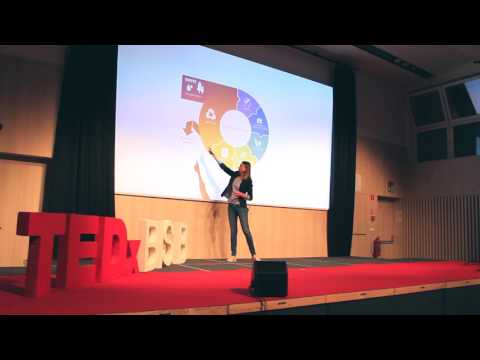
it’s so-called circle from circular
economy sees the waste as materials as
opportunity to make new things so we
will have not how to extract more
natural resources because everything
that is around here it may be materials
and we can use them to make new things
and the biggest focus in a circle and
Connery is on design it’s very important
to design products that are reusable
that are repairable and if we cannot
repair it we can use their bounced or
embarrass some other things and we if we
cannot do at least one thing although
this
three maybe it should be made over what
you know that is recyclable so we can if
we cannot repair it reuse it then at
least we could recycle it and close the
loop of the certain material and you can
see that there is just a small our arrow
of residual waste is toast four percent
that we cannot reuse so very important
thing is equal design to design things
that are reusable then are not
single-use items for example piles in
the in your bathroom when you are
renewing your apartment you just crush
them just tear them apart and then it’s
going to landfill what if you could have
piles that you can put down maybe bring
them to your new apartment or sell it to
someone who likes it or maybe who
doesn’t can afford to buy new ones and
place them in their home then you
probably all know epic up so it’s a very
nice example of it’s a slow working it’s
a product designed by 200 guys and it’s
the Vectra mobile house that is using
all renewable energy so if you go
anywhere with with this small house it
will be totally energy independent then
there is a example of things that are
made from natural materials that are
made available in certain environment
for example plastic bottles that are
made of algae and objects are naturally
growing in the sea if this kind of a
bottle gets it to the sea if every by
the road leads into algae it doesn’t by
the great small plastic pieces that is
toxic to all the animals and then there
is a my favorite picture because it’s a
picture of my composter
and Allah it’s really nice eco-design
and it’s made of recycled fewer cases so
if the beer case breaks down it goes to
this recycling company in Austria so it
might go to China and they make this
kind of composers and as you can see
it’s made of a small part so if one of
the parts breaks down I can just take
the broken part and send this to the
company that is selected its foreign
company and they will be bring me just a
new part so I don’t have to make like a
huge amount of plastics and get in your
composter I can just switch this product
part and then continue using it and it’s
it also recycles all my put waste
so it’s 60% of our our waste it’s eaten
by this box sharing economy we don’t
have to own everything we can Bob we can
borrow or we can share it with other
people how many times do you use bicycle
for all right to your school or to your
work and you have a problem like to lock
it maybe someone else will steal it or
something bad will listen to it
you can share it by strain pipes or how
many times do you use a drill or
ice-cream maker
does anyone have ice cream maker at home
it’s it’s something that you buy for
Christmas because you can’t going to
make ice cream every time like you’re
having a party
you can pull of it and it’s really
annoying that it’s oh it will always
stay somewhere in the kitchen and
nobody’s using it you can borrow it on
finance constraints in campaign
institute there is a wake up call people
who take or bookstore but it’s action
yeah you can you can just take some
items and a like 80 euros for it and
that Rick the return it after you use it
so you don’t have to buy it and how can
i I heard that there are some ID
solutions are also presented here it’s
also a present in the waste management
and in a circular economy and you can
really help us transfer to circle
economy because there are some countries
that people have pay as you thrown
system so if you produce a lot of waste
you pay a lot of money if you don’t you
don’t pay a lot of money and we can use
really intelligent solutions like small
reader and a very simple application to
follow how much waste do we produce and
how much material do we produce so if we
are acting irresponsibly we will pay a
lot of money so the case in Slovakia yet
but we are working on it to to to also
work in Slovakia so we have a lot of
things that we can do today to make the
better future and to use our sources
very smartly and to use waste as our
source
thank you
[Applause]
Please follow and like us: