
thank you thank you before I start I
find myself you need to acknowledge the
Tanana Athabascan people who are the
traditional caretakers of this land that
we’re having these talks on they’ve
benefited my life greatly with their
stories I have learned from them and I
hope and pray that these stories will
continue to be circulated so that we can
all learn from them I love stories I
love books as you can probably tell and
when I was a kid I loved stories known
as choose your own adventure books you
probably know some of these books for
instance you might encounter a dragon go
to page 36 to slay the dragon go to page
42 to befriend the dragon take him home
to your parents and turn him into your
pet a couple of people that taught me
about stories are my mom Dorothy and my
friend Ken Potter my mom she recently
retired after several years of owning a
bridal and tuxedo shop she was always
teaching me things first of all she
taught me about books
she was always open to me reading books
no matter what time of night it was and
whenever I had a question about what a
word meant or how it was spelled she
directed me to the family dictionary
which tortures practice I’ve continued
on as a parent to my own kids she also
taught that people live stories she
taught me that we can we can be there
for other people that we can we can
treat other people right and she did
this through her examples for instance
somebody might call at the last minute
just before a wedding started and that
they needed some last-minute alterations
done and she’d run to the church and
she’d do it right there or she might
have an employee that was going
through some personal suffering and she
would take her off to the side no matter
how busy she was and she would relate to
that person not as an employer to an
employee but as one human being to the
other that’s how I recognized my friend
Ken Potter who is a narrative therapist
and the type of narrative practice that
he put into his life even outside of
being a being a therapist narrative
practice is a way of relating to other
people that notices that we are in
relationship to one another and two
particular stories that we might live
can and many of the other narrative
practitioners that I’ve run into they
are the most present and acknowledging
people that I’ve ever known
and I knew that when I came in contact
with him in these other people my heart
told me this is the calling that I had
it told me that this was the type of
marriage and Family Therapy I wanted to
do with people but this isn’t a talk
about narrative therapy this is a TED
talk about narrative practice let me
tell you a story that illustrates this
so a church leader of mine diederich
Dorf talked about one time that he and
some other people were trying to move a
grand piano from one side of a building
to another no matter how they tried
situating themselves they couldn’t get
this thing to move until one man said
brethren why don’t we space ourselves
evenly about the piano and lift where we
stand this is about lifting where we
stand using narrative practice in a way
that builds our capacities as a
community this is what I’ve come to
appreciate let me talk a little bit
about when I first walked into
appreciation I was at a workshop in
Vancouver British Columbia
several years ago listening to one of my
favorite narrative practitioners David
Epstein
and what he said there changed the way
that I practiced not just as a therapist
but in all aspects of my life he said to
appreciate someone and have them
appreciate themselves in a situation
where they might expect to be degraded
is beyond my belief now as a as a very
positive person I would usually go to
the appreciation first but I want to
talk to you a little bit about stories
of degradation first imagine if you will
looking at this slide here all these
different X’s are different events that
might occur in somebody’s life let’s
imagine a young man who’s had this the
story told about him that he gets poor
grades he actually does get some really
poor grades in school he often gets into
fights at school with other kids he
seems to have no friends people start
circulating the story that it must be
due to bad parenting and they start to
project this future for him that he’s
going to end up in prison and then they
string this all together as one story
about who this young man is and the
story might have to do with him being a
troubled kid that might be the the title
of this story
these degraded stories impoverished
stories or as Ted speaker tamam done ago
jeoldae che calls them single storing
isolates a person’s identity to the most
problematic events in their lives it
degrades them and it edit out any other
possibilities like these others here
that might have to do with other
possibilities that they have there are
however other ways that we can look at
our life and the lives of those that we
relate to which socio neurologists
Arthur Frank calls generous stories this
might have to do a little bit more of
the appreciation that I talked about
appreciative stories can look at at
least two different things I found the
first level of appreciation is realizing
that there’s these other stories that
we’ve already talked about these other
events in people’s lives imagine this
same young man that he has maybe the
second part of this is appreciation he
has some particular skills for instance
he loves art and history and does really
well with it he actually gets some some
really great grades he stands up for a
single mom which incidentally is a
reason why he gets into so many fights
at school he has a small circle of true
friends his mom supports his art and
they love to sing all these together the
future that this young man and his mom
and others that might support him might
call this a future so bright as they
look into the future for him this also
as I said can get put into a story but
it also recognizes all of the other
possible stories that might occur that
this young man might walk into whether
they’re seen or unseen whether they’re
real or imaginary the sort of story that
this young man and his supporters might
cast for him is no obstacles in my way
because of all of these possible stories
that he might live into it’s it’s very
hard to recognize these type of stories
unless you have people in your life to
help you recognize them one way that I
often illustrate this is through the
different clubs that we might have in
our life imagine like all of the people
that you know in your life good bad and
indifferent you might have those as
memberships of a club of life if you
think of it these clubs of life have
several membership tears and the one
that I want to focus on is it might be
called a Platinum membership this would
be the MVPs in your life if you think
about these people there’s very very few
of these people maybe only one or two is
what I’ve what I’ve run into most people
have and these are the people that will
put down everything that they have or
they’ll set up a time for you to be able
to talk and they will hear your entire
story they’ll appreciate it they’ll
appreciate all the possible castings for
you as a person and they’ll vie for your
moral character and then if you need
some advice
notice I didn’t say want some advice but
you need some advice if they need to
they can rip you up one side and down
the other and you won’t take it badly
because you know that that person loves
and cares about you okay so the story
that I’d really like to tell that’s
probably one of the closest ones to my
heart is of a friend of mine several
years ago at the at the wrap up of that
part of our relationship I started kind
of questioning her about her experience
of treatment and she said when she was
16 at the time that over 16 years she
had spent nine years in some sort of
treatment either residential or
outpatient like what I was doing with
her and and I was really kind of amazed
at how it was that she survived this how
did you survive nine years of your short
16 years in treatment and her answer
didn’t surprise me at all it was
actually sort of mirthful and and and
she said it was by keeping my head held
high and my middle finger higher and I
and I and I loved that and wasn’t
offended at that at all but I I was
really drawn into that and I said why
I’ve got to get some little stories
about that could you tell me a little
bit about that so if you told their
stories and we explored it we found that
when she kept her middle finger higher
she she found that she was alienating
some people that she really needed or
cared about in her life that she was
getting in trouble at school and work
and that she really wasn’t going down
the path that she had originally
intended to so we kind of said well what
if we put that on the if we did the flip
on that and you kept your head held
higher and she started we started
locating together some of these events
that she had not previously noticed
where she was keeping her head held
higher but she didn’t get rid of the the
finger so she she said okay we’ll flip
that we’ll call that keeping my middle
finger high and my head held higher and
we both thought that was great and I hid
with her permission I took it to a
friend of mine and this friend said that
sounds like some sort of dignified
defiance to me and so I took that back
to her and she said yeah I like that you
can use that because there’s gonna be
people that are offended by the middle
finger so you can go ahead and use
dignified defiance okay so I you know I
started thinking about you know these
conversations I was having with folks
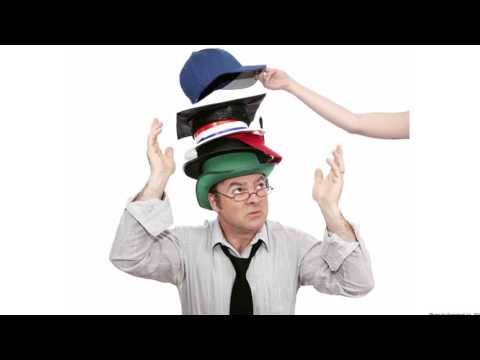
and I thought you know I wear a lot of
hats and a lot of people wear different
types of hats you know and and why do I
have to privatise narrative practice to
just be in a therapist and so what I
first started doing is is that I the
thing that was closest to my heart as
far as the hats that I wear is being a
dad and and being a family man and I
what I started doing I started I bought
a big stack of notebooks like I might
for my clients and and I started
scheduling interviews with my kids once
a month where I would sit down and I’d
interview them like I would one of the
folks that comes to consult me and I
found as I did that I came to hear some
stories I had never heard before and
started seeing a part of them that I had
never seen before in my relationship to
them I started looking into other parts
of my life other hats that I wear like
my church callings my co-worker ship
looking at myself even as a as a
customer at the grocery store and
thinking about you know how
and I do this more in my life I also
started getting some stories from other
other folks how they were noticing it
too like one friend of mine she she
ended up going to a Mexican restaurant
and the family member that she was with
just treated the customer service person
horribly horribly and she and she decide
from that point on that she was going to
be a good customer because she said it
you’ll never know where how you’re going
to impact somebody I had a similar one
like that where I was having a really
bad day I was tired I was driving out
from I guess most people know where
Delta Junction is and I was I was out in
Delta Junction I just wanted to get home
I went to get something in my belly
I took the lazier out and I went to the
Mexican restaurant which will not be
named and and as I came to this
restaurant and I came up to the box to
order the voice that came over it said
have a taco rific Tuesday and and it was
so they were so enthused and so genuine
about her like I don’t know what a
terrific Tuesday is but I’m gonna have a
terrific Tuesday
you know I was just so excited about
having a terrific Tuesday and and my
life changed because of of this terrific
Tuesday that I was wish you know and and
it was so exciting to me and I started
you know trying to figuring out okay
well what are what are some some ways
that other people are doing this in
their life so I kind of did a little
survey and I categorized the hats that
we wear into job career and calling and
I’m going to tell you three stories
about them so you I don’t know how to
put up a crown molding I I’m I’m just
not talented in that way as you might
see with this this corner right here I
did not make that that crack in the wall
I didn’t do that
but there’s a big cleft right there you
might see and I’ll fit I’ll figure out
that sometime but that’s my work but I
knew somebody
knew how to do this type of work and I
brought him in and he hadn’t done it for
for a while so he’s doing this this
first joint right here and so as he’s
doing this I’m noticing him getting
really frustrated but I’m really more
interested that he’s not getting more
frustrated cuz because I would have and
I and I mentioned this to him I said man
you know I I I’d probably be saying some
choice words to that joint right there
what why aren’t you and and he said well
it’s it’s in part the company that I am
you know you’re it’s really helping you
be in here it’s like well you know I I’m
sure that there’s more to the story than
that it’s like well who is it that
taught you to do this type of craft and
who is it that kind of taught you not to
get more irritated than this and he says
well I’ll tell you who didn’t teach me
how to do it as my dad my dad taught me
how to do the work but whenever he got
frustrated with something like this he
just smashed through the thing but my
grandpa my grandpa if he started
noticing that something was working like
this he’d get very thoughtful and he’d
get very patient with it and so as he’s
telling me this story he he’d makes the
cuts the initial cut but then he he
pulls out as his knife and he just
starts whittling away at the back of it
and and I was just I was incredibly
touched that he was able to put away
this modern piece of machinery after he
made the cut and he was able to draw out
this a teach-in piece of machinery and
use this craft and when he was done he
had put together these these beautiful
joints that that I’ve never been able to
do but I was I was just really touched
by that and we talked about it
afterwards and he he said he never would
have been able to do that if he hadn’t
remembered his dad and his grandpa and
decided that he didn’t want to smash
through this or any other of his crafts
but that he went to be very patient and
thoughtful I have a doctor friend of
mine that she started to step
to narrative practice and our medical
practice and one day she was at her
clinic and a woman came in that
everybody all the doctors referred to as
that patient and and she as soon as
everybody started to kind of back back
away and it started to fight amongst
themselves as to who’s going to take
this lady as a patient she raised her
hand said I’ll do it I’ll do it
and as she walked back to the
examination room with this woman she had
in her heart that she was going to be as
one human being to another and that she
was going to hear this woman’s stories
and that’s what she did in the
examination room she still did her
doctoring but she decided that she was
going to be more of a human with this
woman than having a doctor to patient
type of relationship in my in my last
category that of calling which some
people have called when I looked at the
survey they called it a burning in the
bones or refer to it as outstretched
hands that they had felt through job and
career I had to talk about my my mom and
dad my mom and dad even though they they
got divorced when I was maybe just a
little bit older than in this picture
they they raised a man apart that got me
to feel like I was worth being parented
my mom is I’ve already mentioned she she
was a person that taught me to treat
people right no matter what the
agreeance or disagreements was my dad
though he was born with a degenerative
eye disease and was blind by the time I
remember him and had a healthy dose of
defiance which by the way he passed down
to his children he ended up taking that
maybe in his mid-20s to become an
activist in behalf of blind rights
through the National Federation of the
blind and he was also really well-known
as very good at teaching people cane
travel they raised this man that was
able to
take all of the gifts that they were
given and able to hear a little bit
about the possible ‘no civ ailable in
life as far as the type of identities
that I might have and help me to be able
to advocate for other people by with
them spitting in the eye of some
societal norms that we have that degrade
people it’s my hope and prayer that all
of us will be able to appreciate
ourselves and our relationships and the
values we’re starting to walk up to that
we’ll be able to in our relationships
ask ourselves am i how am i becoming or
how do I become a platinum member in
this person’s life or gold or silver or
bronze and be able to recognize the
values they’re stepping into as well
thank you
[Applause]
Please follow and like us: