
good
hello goodnight thanks for the
invitation and thank you for your assistance
I’m neurologist children or me
interested in neurodevelopmental
mainly children and
let’s talk a little about the subject
scanning babies
then I’ll tell you a story
It is a story of hundreds of patients
I get the story of Martin to the
jonathan history of hundreds of vegas
patients in recent years with the
same problem
relatives always come to the
consultation to rule out is the word
using and to rule out good
Martin despite being a girl
precious three – year entered the
martina ‘s office did not look into my eyes
does not respond to his name speaks not only
beeps not stand still flutters
all the time and all of us instructions
explores and when asked to
martina relatives if I had any
problem when he was born during the
Pregnancy relatives tell us what
you think pregnancy was excellent the
Most of them tells us that the
pregnancy was excellent with a good
family atmosphere maternal care
appropriate controls and births
Suitable hospital environment the
breastfeeding are not factors
Martin risk for this so
unintegrated his three – year-old
but when he asks dads
martina was all good and well to
principle is what was like
family atmosphere environment martina
at home and then we’ll go
discovering that there are certain things that
They are not unusual in the life of martina and
Martin then while martina
They saw his family slept
as well as television was
baby she wanted to be close to
if he had any need help
the other thing that happened was that Martin
as had so many relatives that
wanted was surrounded by many
toys but it is student was
surrounded by many toys all
but certainly educational martina
He had so many toys around
martina practically did not know
what to do with toy and so
nice all with lights and colors
martina was also in play for
that would make us hurt and there was his
toys
there also had their toys
several at once but martina
TV viewing is required if
Perhaps he was bored also martina
availability had when she
wanted when she wanted
watch TV
if he wanted so happens martina
many hours of your day or playing
silence alone with his toys or
contact scanning for
Martin three years and has had great
problem despite much stimulation
and apparently as correct as
martina does not speak and no case did not
case and spoke did not and could not
do commands his relatives
asked then good then this
when you are asking
Parents other environments could be
exposed
martina had as I tell myself to that
amount of information to your
available without coordination
right
This is where I want to talk to them
an issue that has to do with my
profession and it is that what happened to
martina good hypothesis we have
It is that Martin was exposed to high
environments lot of environments
digital and that altered his
normal neurodevelopment your attention and
learning processes to know
this then we have to position ourselves
What is the organ that is high
if the organ is being altered
called brain and the brain is
a cell composed of these networks
They are for absolutely all
for information to learn
memory causing movement are
which they are capable of reproducing
original songs and our conduct
patterns that we originate
but also we perform this brain one
information processor is a
simulator situations because
data present or past
are stored can recreate
futures that have not yet happened and
this is a very special organ
how the body works well if
it was touch compression
temperature the skin will take
information to the brain but the mouth and
smell to bring information to
brain through molecules
however the eyes and ears lead
information to the brain through
waves that’s what these organs these
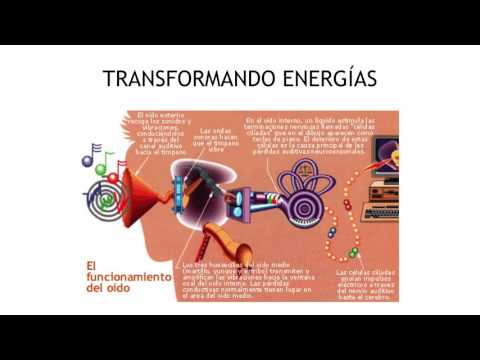
They are receiving bodies and an example
is that the brain actually a
power converter if you arrive
waves ear
inside the ear these waves
transformed into mechanical energy and this
mechanical energy inside the ear
transformed into electricity when that
electricity reaches our brain
We hear and understand what we hear if
eye was another example light
They come to our eye are true
wave frequencies our eyes
are not all see is not all light is not
the entire spectrum of light and those
certain waves activated cells
special in the retina of our eye and
an electrical process occurs so
waves have become
electricity and that electricity is
conducted by the brain to all
our brain runs up to
areas of the posterior region as the
area of the brain with which
we see a lot of light when he was in the
brain what is happening inside
of these brain regions are the
neural connections and those connections
neuronal
ultimately resulting image is a
mind boggling what receives the
Brain waves are and what you see in the
posterior region of the brain is
an image so because the brain creates
his own fiction from reality but
What about a baby who has never
had previous experiences that have
memory and has no history for
have a correlation that can be
false or scan and what not
the problem is that they learn in that
stage we all learn the
invitation although the brain is
very young
he can distinguish changes and can
begin to pay attention and imitate
These changes occur against that
baby and because the brain can do
that because the baby ‘s brain can
do that because biologically the
brain is prepared for that and from
Very early we can observe the
number of neural connections in the
first year of life that happen to
pay attention circuits
vision and hearing are the inputs
most important thing at that time
and that same attention and hearing
visual and auditory amount leverage
neural connections to be
perform at 6 to 7 months old
to speak so while
our baby does not speak absolutely
nothing in your brain are
creating circuits future
circuits that will be used
when you have a year and two years
speak up if we see that the brain
making comparisons
he can distinguish a fixed object
that does not move so objects
and / or are one frame per second
because it does not move
the brain can grasp when the face
human is moving when
exceeds 10 to 12 frames per
second so the brain
baby will pay attention
primarily the recognition of
face and facial expression
This will make the first connections
the baby can start connecting
areas of their language
but if we want to understand a little more
as the movement affects us and what
about the movement of our
brains
we must remember that the pictures by
second or frames per second
They are a strategy using
and television programs and
movies to give the effect of
movement
life is a frames per
second because things are not moving and
the brain begins to detect motion
when they exceed 10 to 12
frames per second when the
TV
traveling or at a rate of 30 or 25
60 frames per second
so that we may know a little
more on this issue see that speed
most of the time things
They are quiet and therefore are
one frame per second
the average eye most
people are 45 frames per
second
25 percent can see 60 frames
per second
So are people who may have capacity
It is very important visually the
Older people are already decreasing
the number of frames per second
the babies
There is some literature that talks about
three frames per second
so if there is no movement and face
Human face moves ten or twelve
frames per second will be the face
Human what the baby preferred but if
we expose ourselves to said high
digitizing our baby
us will happen to us as
things we are not going to move so
Quick
our face will not be as interesting
for babies as television
and digital products
so we are not interested in face
human or human activities and their
We call these babies are
distracted and lacking attention
as mentioned environments are zero
a single frame rate does not move
the second the same frame all
the second and therefore when they
We turn off the television
they provoke the children and
moving chair and scurrying movement
so that they generate the frames and
they are the ones who are moving
so children borne by all
sides and have a disorganized child
they will walk causing your own pictures
per second
as much as you can and call them
Hyperactive or very restless or creative
or say that so are the children
Now we also have the problem
Children at that age that nothing else
It has its first year of life may not
develop a sense of depth
because two screens
dimensional depth or you
you throw a ball or throw a ball
actually it has done with a thumb or
with the index finger is not all
movement and all skills
visual motor that the child has to
doing so will achieve neither learn
right moves will
rare stereotypic movements and them
call the baby always flapping
He is very happy and excited or longer
see how these children will
changes in behavior
also as humans are we
slow activity October 12 –
definitely less than 30 frames
per second
we can not conclude with learning
mouth because the dolls have
muñequitos lips and not be able
coromoto give you the ability now
they require and all sounds
they are going to see
exactly the same and will not be able
to the promoter correlation when
happen
as the scanning time
Children will walk without making sounds
language and communication and achieve them
call lazy or they do not like
talk will keep coming to my office
continue asking what
we can rule
and the big question is are multitasking
and the answer at this time is not
we are multi touch that can put the
If we had video because
Several breakdowns integration and which
we our young has nothing to
do with it what the ears hear
and have nothing to do with what the
hand makes it unlikely that our
Children can this
and
r
so the recommendation is that
Children are playing one single ja
game at a time they are not multitasking
what we are is multisensory,
careful not Digitize your baby gas
i
Please follow and like us: