
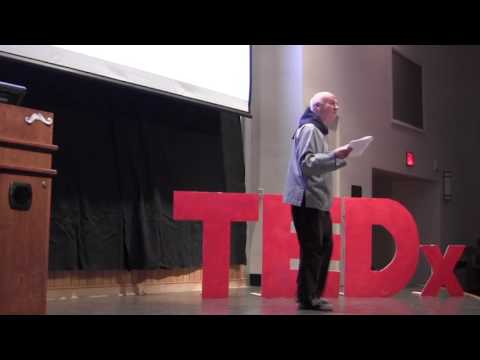
to be here with all of you and thank you
for making all those things up about me
I’m really happy to connect with you
because for all of my life I perceived a
disconnect even as a little kid between
religious values spirituality people who
were saying they were spiritual and
prejudice people who look down or
devalued or mistreated others even as a
little kid I could never make that
connection so when it came time to do
some research for my doctoral
dissertation here at Lehigh many years
ago and it’s actually how I lost my hair
I chose prejudice and religious values
and by the end of those five years here
I was really so sick of that topic but
now I rejoice that I have that
background that I’ve added to it and so
forth because I think it is very
relevant we do tend to put people into
categories events situations into
categories and I know that there is a
biological base for that there we go now
I know I can that’s good um there is a
biological base you’re doing that it’s
kind of like a cognitive shorthand
it allows us to process information a
little bit better where we get into
trouble is when it gets concretize when
it gets put in stone and when we start
to evaluate and devalue groups because
of it Paul bloom a TED speaker and a
psychologist that says that prejudice
and bias are natural they’re often
rational and they’re often even moral
and I think that once we understand this
we’re in a better position to make sense
of them when they go wrong and they
certainly do so it’s one thing to kind
of organize our thoughts and it’s quite
another to put them into concrete
I found a construct an idea called the
intrinsic extrinsic religious
orientation scale that helped me to do
some of my research and intrinsic as you
can imagine me having internalized say
the values of the Quran the gospel the
Jewish Bible whatever it is and you
could put philosophy in here where I say
religion at times because this similar
idea what is it that motivates us in
life and you go from that internalized
values situation over to the
externalized value situation where the
letter of the law and those folks tend
to use religion more as a tool maybe for
social status for solace something like
that so one tries to live the other
group tends a little bit more to kind of
see what they can get from it so now
even as I say this this is a question
for the audience are you beginning to
form a little bit of a bias already like
I don’t think I let those intrinsically
oriented people very much and that’s
okay if you’re thinking a little bit
about it because that the cement is
still wet it’s not a firm it’s not solid
you’re just kind of processing a little
and it may or may not pan out to be true
but that’s the beginnings of our biases
of our prejudices so we have to be
really careful because we all do it we
all not wanting to be but we all have
our prejudices and we all experience
prejudice this intrinsic extrinsic
valuing stuff correlates with certain
qualities intrinsically oriented people
are far less prejudiced they do not
prejudge they try to take people as they
find them they’re more transcendent
experiences they will have a sense of
something beyond Fiat through nature
being through a sense of God higher
power whatever once in a while not that
it’s something they’re not Mystics it
happens to every day but they tend to
have that little bit more and what I
find particularly interesting is that
their levels of moral development tend
to evolve we’re all born into a level of
moral development called reward and
Punishment we’re good we’re told you’re
going to get ice cream for a doughnut in
my case because I like them bad you’re
going to go to the timeout room and then
boy with religion we can really get into
like heaven and hell what’s going to
happen with that really scary and up the
middle level of moral development and
hopefully we grow into is conventional
thinking you might call it conventional
meaning that we look for what does
society ask of us what do our parents
want what two teachers say what the
church say and then we work to kind of
live in that spirit and then there’s a
third level and this is the dicey part
and hopefully we’re there sometimes we
can drift in and out
any of these levels that’s very
dangerous because some of those people
that really hang out there the level of
principle of conscience of doing what we
behave whether church or state agrees or
disagrees that kind of getting killed it
gets a little old you know so you look
at like the the prophets in the Jewish
Bible Jesus Martin Luther King Gandhi
all major struggles just for being who
they were the very fact that they were
they were really unsettled people they
don’t even have to open their mouths
makes me think of Saint Francis of
Assisi who said the one of his friars
brother let’s go out and preach and they
they walked all around and came back as
and say anything and the little novice
said well what we didn’t do any
preaching he said it necessary use words
to the power of our behavior is what’s
so important of our attitude a group
that is someone we need to watch out for
a little bit more and not become
ourselves indiscriminately pro religious
in the research it’s people who if it’s
about religion I’m all for it
you give them a questionnaire or some
kind of measurement they love it they
have not gone through anything or put it
into their their heart and mind I
haven’t struggled with it those people
are the most difficult of all to to work
with we have a tendency in any of our
groups particularly in more prejudicial
groups to find heretics Outsiders
infidels and then what do we do well we
kill them or we torture them or we
ostracize them that sort of thing we can
all experience that I’ve experienced
that not
no no problem with it but one time I was
speaking at a conference for people of
color that visit was cool I was one of
the one or two tail places there and it
was an opponent of either was delightful
i sat down at lunch and there was a
gentleman there a TV reporter with a
camera and I sat down across from it
happened to be African American and he
looked at me and said what are you doing
I miss dartle didn’t know what to say
so I said well dr. Brisbane invited me
she runs this thing she’s at Stony Brook
University and then he said my
grandmother was a Christian and while
she did was see bad stuff in the world
and focus on that and I thought is that
what you’re doing with your caverns our
reporting but but I don’t know him
let’s just see where it goes you don’t
want to react want to respond to things
don’t react respond and so I apply it
each said well I guess we’ll try to do a
little bit of what we can I know it’s a
slow process or something and we
finished our meal awkwardly about later
in the afternoon I was at another
conference at that same a workshop at
that same conference there was a
wonderful old black lady there who was
from the south and as a young woman
whenever she tried to vote as a young
woman go to vote
she’ll be beaten up she would be jailed
she would be given phony forced kind of
collage achill exams it was a harbor and
she um later wrote a book and later was
elected mayor of so her friend was there
sitting on a diet who happen to be a
white lady they wrote the book together
and they were delightful friends that
were funny that was joking and all of
that and we were really into this thing
and then I found presence and I looked
over and there was that TV reporter and
he just looked down at me and he kind of
said like I’d had it it was pretty
wonderful so we want to go to pseudo
less now
we touched upon prejudice and touched
upon religious values stood over by that
well if people use their spirituality or
their meditation just to kind of avoid
reality I call that pseudo place some
people come to me in to use my body
kinds of things that such as meditation
and hypnosis etc to help with physical
illnesses or emotional illnesses and
some companies they want to kind of a
closer walk with the Lord we call it
spiritual direction or with their own
understanding of God but sometimes
people will come in it’s pretty obvious
that they want to be taught some
technique to block out reality to block
out life because it hurts too much and I
respect the pain but I think our
spirituality our Plus P has to transform
us it has to go in it has to make us get
dirty sometimes Pope Francis says we
have to smell smell like the sheep that
we work with so that is what I mean by
the Pseudolus examples of that there’s
an old book I love the title I don’t
even remember what’s in the book it’s
called when God is a drug spirituality
God can or concepts of God can be just
as addictive as anything else so you
might wonder well okay what do I do it
what done I do whether fruits you will
know that Jesus said so look at the
results of your philosophy of your
meditation does it bring new life does
it help does it
pull people together does it pull people
apart what can we do about all of this
here’s a few little suggestions above
all don’t rash generalized those of you
or philosophy folks logic people
debaters you know rash generalization is
a big no-no brash and quickly and
generalized painting everybody with the
same brush thinking that this person or
this
for this event is a representative
sample of everything try to put a face
on what your experience get to know
people who are different from us just by
an attitude of openness that will happen
if you’re in the presence of a prejudice
or remarks or something that’s negative
gently respond choose your battles
though if you respond to everything your
go ahead go to another oh she’s always
playing the race card he was always
playing the religion card that person is
always playing the sex card whatever it
is so choose your battles and don’t move
hey turn around there’s enough of that
to go around and oppressed group then
oppresses another group unimpressed
person oppresses another person’s part
not to but don’t do it try not to do it
and as per a hope you can I do what I
can to help get rid of some prejudices
one of my little pet projects is
telehealth using electronic healthcare
because it’s very clear that people of
color and poor people are clearly
underrepresented in their ability to get
any kind of health care and in my case I
try not to be prejudiced toward
extrinsically oriented people is when I
get beyond that I get to know them it
turns out it’s okay it’s often a pretty
wonderful experience a couple quotes to
wrap everything up with is as long as we
do not remit God higher powers love to
consume us entirely and to unite us in
God’s self the gold that is in us will
be hidden by the rock and the dirt which
keeps us apart we are darkness and we
are light that’s from the Thomasville
and the last slide is a picture of me in
Hong Kong I’m the one right in the front
row about the 17th candle over there and
that was when tat we were trying to get
the government to represent the
massacres of Tiananmen Square a little
veteran textbooks the quote says all
three love nothing through fear Jane and
since our my spiritual mother and father
in life spiritual order community and
that’s what I encourage us to do to do
all through love nothing through fear
because I think this is all fear-based
alter love nothing through fear and then
I wish that same thing that others would
treat you with that segue thank you very much