
so with me tonight I have about 570
plastic bags and the number 570 is
representative of one of my classmates
who every day in his lunch he brings a
plastic bag and in it he puts his
plastic bottle which he drinks his
beverage out of and a plastic ziplock
bag and the plastic ziplock bag contains
his sandwich which is usually about like
half a pound of chipped ham and the
issue with animal agriculture and the
effect it has on the environment is a
completely different TED talk that one
of my amazing mentor Michele Jenkins
gave earlier today so if you’d like to
hear about the effects of animal
agriculture on the environment then
Watchers but talking about plastic so
these plastic bags that I have right
next to me are representative for one
person for three years of their lunch
three consecutive years are bringing the
plastic bag every day and if this is all
of this waste for one person one time a
day and you multiply it for eighteen
years of existence that’s a lot more
than that would fit in the shopping cart
I run it from dry Neagle and you
multiply this by everyone in the
audience tonight for our entire
lifetimes and you’re looking at so much
waste that I probably wouldn’t be able
to stand on this stage because it would
just be filled and how do we produce
this waste where does it come from well
virtually every single thing we buy in
the grocery store or for toiletries
everything is in some sort of disposable
packaging whether it’s plastic doesn’t
matter always wasting some sort of non
decomposable
product and this is a large problem not
just because it fills up bags but a
larger issue the photographer who takes
these beautiful pictures of melting ice
his name is James Balog and he argues
that the most powerful issue of our time
is the disconnection between humans and
nature and this disconnection is
represented through the act of throwing
something away the term throwing
something away speaks volumes and in
itself because it’s not gone forever
it’s not eviscerated from the planet
it’s out of sight out of mind
and every day when my classmate throws
away his plastic bag his little plastic
bundle it adds up and just because we
don’t have to see it we don’t have to
carry our trash around we don’t have to
leave it in our front yards but it’s
still there and whenever I was getting
ready to talk tonight the event everyone
would ask me what I was talking about I
would mention I’m talking about the
environment I would get the most
devastating responses people either look
unamused
or uninterested or just really concerned
for me and they would say why are you
doing that why are you getting on stage
and preaching about the environment no
one cares
no one wants to care no one wants to
hear what you have to say about why we
have to take shorter showers and take
bikes everywhere we go or Drive a Prius
or go vegan tomorrow no one wants to
hear me talk about these things and
they’re right and the disconnection that
we have is a problem for me it’s a
problem for everyone and it’s
exemplified in the waste we produce and
I’m not here to warn you about global
warming or climate change because we
really just don’t have the time to
debate whether or not it’s an issue when
you hear people in the media or
politicians talk about combating climate
change it always seems like a
hypothetical far off maybe situation
worst case scenario
gets a degree or two warmer in
Pittsburgh I really don’t care anyway I
don’t like the cold I don’t mind if it
gets a little bit warmer but global
warming and climate change are much
bigger in broader terms and it’s the
little things that we do every day that
affect the environment in ways that were
privileged enough that we don’t have to
think about like throwing things away so
where does all this trash go if this is
like I said one person a small scale for
waste of an entire lifetime imagine the
entire room tonight the entire state of
Pennsylvania the entire United States
that’s a lot of waste for a lot of
people and so much of it that they’re
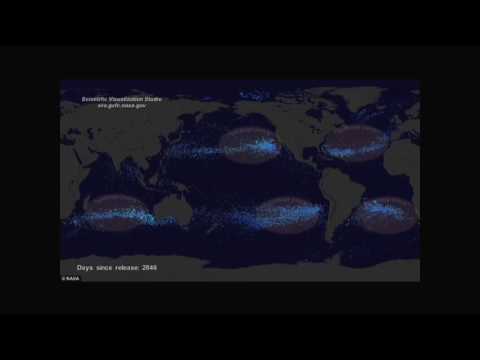
these trashed always deposited in oceans
around the world and the largest one of
them is about the size of Texas and
Texas is a very big place and it’s full
of people who also produce a lot of
waste so you have these various deposits
of just pure trash circling around in
the ocean nothing more nothing less than
the waste we produce looks very nice is
very photogenic great photo opportunity
and this is us this is our waste it’s
also everybody else’s but it’s ours at
some point in our lives we’ve thrown
something away whether you recycle at
home we still drink out of plastic
bottles or use plastic bags or literally
everything we use on a daily basis is in
some sort of plastic when I was trying
to think of anecdotes I could use to
fully put to scale how much waste we
produce because these islands from far
away they aren’t too impressive to me
but I love this waste I said it’s us and
why do we do this why do we use
something once and throw it away if we
saw some sort of alien Society
that was using something once and
throwing it away we’d think they were
crazy one of our huge life lesson that
we are we learned growing up is not to
waste whether its food or anything
don’t be wasteful but what is more
wasteful than going to Starbucks and
getting a plastic cup in a plastic straw
and drinking out of it once and throwing
it away to never see it again when it’s
you could literally just as easily have
a reusable plastic cup reusable plastic
straw produce a lot of less waste that’s
here in these beautiful pictures or
perhaps a reusable coffee this was $2 to
check out at Starbucks it looks exactly
the same as the disposable paper ones no
one has to know you’re being
environmentally friendly it can be your
sustainable secret no one will call you
a crazy tree hugger it can be all on
your own and why does it matter why do I
do am i encouraging you to do these
things this doesn’t affect me I don’t
care about the planet why should I well
you could say that you don’t and that
would be kind of reasonable but the
problem is we are the earth we are the
planet we cannot continue to progress as
a society if we don’t have a planet to
live on if we have the cognitive power
as intelligent human beings to create
pocket computers where we can have
access to unlimited information at any
given time on any topic we desire or we
have the power to create methods of
transportation like cars or planes that
get us comfortably around the world in
amount of time that would be utterly
unfathomable 200 years ago if we have
the power and the incentive to do these
things then why don’t we have the same
incentive to revolutionize the way that
we treat and affect the environment
because
we are the environment and even though
you don’t want to take shorter showers
you don’t want to bike places neither do
i and it’s just as simple as I mentioned
earlier using something reusable or
keeping in the back of your mind what
can I be doing that would be less
wasteful or even just think about it
just start to develop the thought it
want to make sure I fully Express
tonight the extent of the environmental
destruction that we’re perpetuating not
just their waste not just through animal
agriculture but even with cars for
example if you were to put your mouth on
the exhaust pipe of a car and you
breathe in the fumes what would happen
it would be poisoned you don’t want that
for yourself and when just because it’s
not directly on your mouth breathing it
in this still all flows into the air
that we breathe and like I said we can’t
live on the planet and continue to
progress if we don’t have clean air to
breathe or clean water to drink and just
because we don’t drink ocean water and
we don’t have to inject the salty
spiraling sewage that’s slowly breaking
down in the oceans unfortunately a lot
of sea life do and they ingest this
plastic or or wrapped around in it these
plastic bags that are floating in the
ocean turtles mistake them for jellyfish
and so they eat plastic bags and I would
not want to eat these I don’t think
anybody else would tonight either
but virtually everything you buy in the
store is wrapped in plastic and if we
don’t want to bring that in then why do
we wrap our food and in and buy it and
waste in so how do we fix these sort
things well in Norway the demand for
trash is so high that other countries
actually export them their waste because
they found a way to decompress garbage
and break it down into a renewable
energy source no pollution eco-friendly
sustainable for the environment and it’s
a win-win because you’re getting rid of
waste and you’re using less
environmentally friendly methods of
energy like oil or natural gas and you
don’t care about the planet side of it
then think about the long-term economic
growth that would come out of a whole
new side of independent energy the
United States imagine the power we would
have if we completely transformed all of
our wasteful habits and all of our
habits that are bad for the environment
into a long-term economic benefit for us
so I want to make sure I leave tonight
with the idea because it’s easy to be
inspired once to decide tonight that I’m
never going to waste again or I’m never
ever going to use plastic the rest of my
life it’s very very difficult and
working on it myself it’s absolutely
mind-boggling how we use plastic in
every part of our lives but it’s not
just plastic it’s just the basic idea
stereotype surrounding environmentalism
or the people you affiliate like myself
a crazy vegan liberal environmentalist
with a huge shopping cart of plastic
bags standing on a stage talking to you
tonight it’s more than just this it’s
more than just bringing a reusable
coffee cup and keeping it your secret
it’s the power and the absolute
fundamental necessity we need to have if
we want to continue to advance and
progress as society
Americans as humans then we have to
channel our incentives and our desire to
live on the planet to ensure our longest
life on here as possible because quite
literally our lives are dependent on the choices we make today thank you