
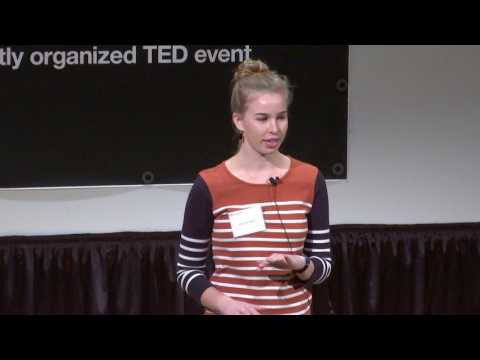
I was working on when I was in as many
of you ncssm students are experiencing
now your shoes three years ago kind of
metaphorically and like kind of
literally I was working on a project
called fresh fire that I started as a
senior here then now my friends and
teammates have continued through our
college career that are still continuing
now so I’m going to talk to you today
about social enterprise in my experience
with social enterprise through the lens
of this project called fresh fire so if
you don’t know what social enterprise is
and or you have literally no desire to
participate or start a social enterprise
then you have a lot in common with me at
age 16 so social enterprise basically
refers to the idea that businesses can
be used as arbiters of social change or
just arbiters of finding ways to better
communities and improve outcomes for
people and the environment so fresh fire
we hope and we try to make it as such is
an example of a social enterprise I’ll
tell you a little bit about fresh fires
an organization and then I’ll go into a
little bit of background and tell you
how to the story of fresh fire and then
I’ll end out with some classic
reflections on my time working on this
project so fresh fire is an organization
that’s goal is to connect grocers with
shoppers in order to help reduce food
waste and generally encourage
sustainable habits so this is done
through as you’re saying a mobile
application that relays information on
time sensitive markdowns and grocery
stores on food that’s about to expire or
is cosmetically imperfect or just in
general needs to be liquidated from the
shelves so that’s that’s like the gist
of it and so it started the story really
starts on my first day of classes at
ncssm I made my way to mr. rashes
calculus class where I met a girl named
shred the she was the only girl in my
calculus
and I immediately knew she was like a
really cool person like one of those
people that you like me and you’re like
wow like if she didn’t like have to try
to be like fun in class but anyway I was
immediately attracted how smart she was
and how she really seemed to care about
what she talked about and so when a
month and a half later she asked me to
join a group of her and three other
girls to do a Conrad spirit of
innovation challenge project I didn’t
know what that was and many of you may
not know what that is it’s basically a
competition where you design a product
based under a different categories to
improve something broadly I didn’t know
what it was but I was in sort of that
stage of ncssm where everything is
really magical and new and full of
promise and so I said okay yeah I’ll do
it so these four other girls and I
created two projects junior year I kind
of saw them through to fruition meaning
like until they work weren’t accepted
but whatever and we had so much fun are
like ideas ranged from like like a
shower timer alarm to like a bicycle for
airplanes our videos included Teenage
Mutant Ninja Turtle costumes and a
minute long blooper section at the end
it was a pretty awesome group to be a
part of I’m we had so much fun and we
created this culture of just like a lack
of competition between us and that we
were really all on each other’s team and
all working towards the same goal of
having fun and just learning stuff and
just trying stuff out so when senior
year rolled around we were like this is
a great team let’s try it for round two
this time we’ll be like a little maybe
like a little bit more serious about it
and so we SAT one fall evening and Brian
conference room which for any of you who
go here are you know well and we knew
well at that point but we didn’t know is
it would be spending like pretty much
like every night there for the next six
months until like one when they kick you
out and have to go back to your room but
we sat in the conference room we tried
to think of what in our community we’d
notice that could be relevant for us to
innovate around or to think about and
find ways as a student to address and
what we found in doing some kind of like
academic research was some astounding
statistics about North Carolina
and please excuse me because I think
I’ve said this like pitch words that I’m
about to say like at least like 12 times
but North Carolina ranks among top
states in the nation in terms of
percentage of citizens who are
experiencing food shortages which like
ironically is like also a mouthful to
say and also ranks among top stays the
nation in terms of childhood obesity
rates so clearly there is this gap in
effective food distribution and this gap
we were hoping to close or better
understand or target through sort of
like an interactive solution you know
where high school students you didn’t
want to target institutions we don’t
really understand exactly what’s going
on and at the same time you’re doing
even more research we realized that
grocery stores were throwing out upwards
of like two thousand dollars worth of
food a day depending on the scale of the
grocery store and food that could just
like hadn’t been sold and could be
recovered and this food was going to
landfills where was making up an
estimated twenty percent of landfill
methane emissions which is really bad
for the environment and so after kind of
trying to like grow up with all these
different things and try to better
understand this like gap I’m talking
about we that’s how we eventually came
the idea of okay well what if we like
use technology is a way to like connect
groceries to consumers they can come
take advantage of these discounts on
foods that are near expiring these
discounts that already happened and just
find a way to better communicate them so
people can take advantage of them so
that these healthier foods which is
typically what these perishable foods
are your meats your fruits or vegetables
you’re like dairy so these foods can be
more attractive and that they’re at a
lower price point and more accessible
and the slick encourage healthier habits
it’s not sounded like really great test
and we’re feeling pretty good about
ourselves so we applied to
entrepreneurship class here and we found
our way to the UNC social
entrepreneurship conference in the
spring ended up winning that conference
which was kind of like war for us but
what it allowed us to do through that
conferences allows the exposure to
people all across the triangle to the
UNC Board of Governors to people who
invested their time their energy and
sometimes their money and us to allow us
to get incorporated right after our
senior year ended and it was all kind of
unexpected and a little bit scary for us
we were five girls who are going to four
different colleges but after we
had expanded this the sort of like
culture and community that we created
between ourselves and that we’d found to
ncssm those who go here know that you
know maybe sometimes it can be a
pressure cooker but it also allows like
for so much creativity through thrive
here so we embrace that environment here
we’re able to find that community
through reaching out to people and to
sharing our story and so we decided I
guess we’re gonna do this like we don’t
have enough reasons not to we like
hanging out with each other like could
be a good excuse to stay in touch and we
might actually be able to make something
happen so we did it and we went off to
our respective colleges and we jumped
right in we’re like okay we’re going to
apply to every competition ever because
we don’t know exactly how to do this
without money and we don’t know exactly
how to do this without recognition or
how to call up a grocery store and be
like hey I know that like you’re one of
the largest grocery store chains in like
America but like we really appreciate it
if you would like listen to us and let
us test in your store and maybe
videotape so we don’t get kicked out
late last time and it was harder it was
really hard we actually met a lot of
resistance from grocery stores but we
kept winning competitions because we got
really good at telling her story and we
are really excited about it and other
people got excited about it and so um we
had this long phase of working really
hard and trying to find tech developers
because we were a tech company without
anyone who knew how to code and then we
yeah so we were kind of doing the most
and like stretching as far as like all
five of us could and reaching into our
university networks and trying to make
connections and trying to like literally
calling up everyone in the Triangle area
who like knew anything about grocery
stores or food waste or technology or
anything to listen to us and to have
conversations with us it was really
inspiring but when we joined a
fellowship at UNC we had these
facilitators who SAT my friend Gabrielle
and I down and said so like we notice
that like you keep having these
successes and we also notice in class
that you like exhibit a lot of like
insecurities about your organization
because like whatever no we’re doing and
so we realized that we were
having all these like successes like
successes meaning like we were winning
things and people were telling us like
good job but at the same time like this
is what was keeping us afloat when in
reality like on an organizational level
we had a lot of weaknesses and things
you needed to sort out so those are cool
like reflective time at a time we
started to realize like how unique we
really were so we were an all-girl team
we were a huge startup team just sort of
she usually have like two people who
were kind of running the show we had a
flat organizational structure which
everyone says is really bad they’re like
no you need to have hierarchy so you can
make decisions quickly and we’re like
well we’ve never made decisions quickly
so like we don’t really know what that
means and then we’re also like very
collaborative we didn’t really
necessarily have like broken down roles
which people also told us was something
that we should do but um we’d all kind
of work on everything and collaborate
with each other and I know anything
about like business social dynamics
which like continue to be a problem and
we were just like super new to it and we
were like unique in that way but anyway
this allowed us to be really reflective
and to try to be more intentional with
the way we like moved forward also at
this time we were invited to the Clinton
Global Initiative University conference
which was like crazy and gossipy Chelsea
Clinton which was like crazy and we got
mentorship and like a kick-ass design
team and we started feeling like okay
like things are good like things are
happening now like we naik now look like
an official company and I would yeah and
so going into the next year we were even
more stoked but kind of stoked in the
way that like you like wow this is like
a really long process like I’m stoked
whenever I like have conversations as
people and then I go back home and I’m
like wahab early tired but I come back
and I’m stoked again and so we finally
found our like tech person we were
looking for in our class attend cssm our
friend Mitch was really good at coding
and bought into the idea and so he liked
drawing on board for a little while and
tried to help us make our dreams reality
and we got into accelerator program and
we spent six months like really
intensely doing the accelerated program
thing and then now finally we have the
product it’s been like three years since
we started the idea and now we actually
have the thing that like we can actually
test like try to make this
thing happened we’ve been trying to make
happen for so long so that’s where at so
we have this thing it now it feels like
scary to have because now we actually
have to test it and make magic happen
but we also have our team me shred the
Mona Gabrielle and Jennifer and we also
have this crazy network of people spread
out across time and across place like
literally across continents of people
who are invested in us who care about
what we’re learning who care about the
problems that we’re trying to solve and
who care to listen to us and who are
just an early on our team so that’s
pretty sick and now I just kind of want
to give you like I wouldn’t say like
discouraging but like just a more real
glimpse into what it really looks like
to work on a social enterprise and I’ve
titled this section do not start a
social enterprise so no it’s so I’ll
start and give you a just a few reasons
for why this is especially challenging
so I would say do not start a social
enterprise if you are trying to make
money and I say this because I’ve
actually like netted a loss and this
like three year journey that we’ve been
on like we invested some money into
fresh bar in the beginning and I have
like yet to come away with salary but
it’s the way we designed it in as
students we’re not financially dependent
on it and it’s not making money yet so
it seems relevant and useful but that’s
definitely something that people who go
into social enterprises like
consistently come bring to the forefront
do not sort of social enterprise if you
would like to feel like you are not
wrong because at the end of every day
we’re usually wrong about something
whenever we do more research realize
were wrong however we talk to people in
grocery stores about our assumptions
about them we realize but wrong and this
consistent cycle of recognizing that we
know like pretty much nothing and we’re
also unique in this way because most
entrepreneurs and well I won’t say most
a lot of entrepreneurs go into they’re
like entrepreneur thing because they
have skills that are relevant to what
they’re trying to create or they’re like
already been in the industry and like we
have none of those things so we
consistently learn over and
over again that we know no nothing do
not go into social enterprise if you
want to be like constantly like excited
and motivated because it’s unrealistic
unrealistic expectation not that it’s
not awesome because as you can tell like
this is like me being really excited
about this thing I’ve worked on but
every day is like pretty hard like I
reminded of some like I think it’s like
a tumblr quote it’s like does not matter
how slow you go but you must not stop I
think it’s a Confucius quote and I feel
like that’s really relevant to the story
of at least our experience in social
enterprise if not everyone’s do not go
into social enterprise if you are afraid
of being bad at things that kind of
echoes on my earlier point we’re about
it a lot of things I talked about the
social dynamic thing in in the business
world we’re not great at it yeah and
we’re also not graded coding and we’re
also not great at asking people for
money and we’re not created a lot of
things and you get better at them but as
someone who was reflecting on this
experience I would say don’t go into
this if you don’t ever want to be bad at
things because you would be sad about
that do not go into social enterprise if
you want concrete tasks one of the
biggest things I’ve learned throughout
this process is how to manage ambiguity
literally last summer I was working on a
fresh borrow all summer and I would wake
up and I’d be like I sit in my bed until
I like the last possible minute when all
my roommates are leaving I’d be like
what do I do today to like contribute to
this team and like move the project
forward you create your own metrics of
success you create your own idea of what
failure is you create your an idea of
what you need to do to move a project
forward that doesn’t have anything
tangible to move forward oh don’t go
into social enterprise if you want not
to have moral dilemmas in your work I
think this is a common misconception
because social enterprise seems like oh
like I can feel confident that what I’m
doing is good but for example when we
started to go ask grocery stores and
really do like more intensive research
on how we could do this thing we
realized that a lot of grocery stores
have donation platforms whereby they can
like donate
stood food too like food shelters or
yeah if like food banks and realized
that that was something that kind of
struck us because they didn’t want to
interfere what the system was already
doing something good and so that’s
always something that comes up in
different ways and social enterprise
work I don’t start a social enterprise
if you don’t want to hear people’s
feedback however negative because it
happens that’s like a leaf rule well
that’s yeah well that’s a lot ah and
maybe it’s cheesy to say what I’ve
learned is so much more valuable I’ve
learned how to work with a team through
like really stressful situations and how
to manage these ambiguous tasks and how
complex like systems are for example the
system of food distribution is so
complex and being able to be involved in
it in a business sense has made it so
much more relevant to us and has allowed
us to learn so much more about it um
I’ve learned about policies and programs
other countries other people are doing
to try to combat the same problems and
how cool it is to be in a community
where you can work together while you
work separately to accomplish a common
goal of what universities will help I’ve
learned that even if you know nothing
you can have confidence to go problem
solve and to take whatever skills you
have and to ask questions and to figure
things out and of course we’ve learned
to be assertive we’ve learned to be
assertive and protecting what is most
important to us in conversations and the
business deals that we make we work hard
to protect what’s important to us the
integrity the creativity the honesty
that we care so much about and that that
overarching mission of trying to do
something good for the community and so
I’ll just leave you with few quick
points of me reflecting and trying to be
inspirational and offer something back
to you from my experience we hit a lot
of roadblocks like I talked about
earlier we had this period where like
things were going like really well we
were hitting these pluses but we had a
lot of like minuses deep inside in our
organization and now it seems like there
are so many obstacles but this community
that we’ve created is like keeping us
afloat and keeping us excited and
energized
is even we don’t want to be know that
your dreams are supported in a place
like ncssm especially or whatever high
school you go to or wherever you are
your dreams are really supported here
and that’s so special and I encourage
you to keep that wherever you go after
you graduate in CSM is literally just
the beginning especially for my journey
it’s okay to be unique I talked about
how non-traditional we were and I
encourage you and your uniqueness not to
be afraid to enter into industries like
social enterprise it’s okay to be a
finished product but also work in
progress which is a quote i barred from
someone but I don’t know the source
that’s how I feel about our project
that’s how I feel about myself and
that’s what I encourage you to think
about and to be okay with when you enter
a world and which like you don’t have
this safe exciting place to call home
don’t waste inspiration I wrote in a
journal of the other day that I saw Ana
generally of the day that I found I’m so
inspired and I’m so selfish click
consume so much media so many TED talk
can I go home at the end of the day and
I don’t know what to do with it so I
encourage you if it’s not social
enterprise that that’s been pretty
life-giving to me find your team find
your team of people that care about you
and your learning and your growth find a
team of people that you care about
finding people that are invested in
helping you learn how to be a better
citizen of the world and to better find
your place in it thank you
[Music]
[Applause]
[Music]
[Applause] you