
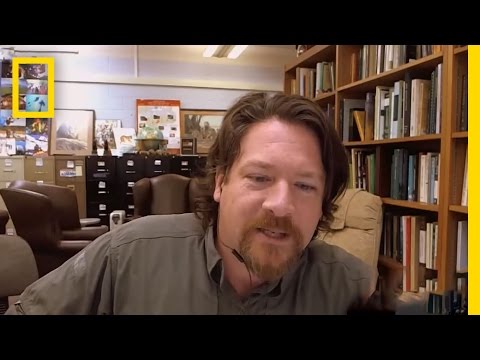
welcome to our Google+ hangout while we
working our chair on the Okavango
Wilderness projects this is our fifth
year you’ve got these explorers with us
and we are troubleshooting for the big
expedition next year when we go down the
length of the Okavango River we’ve been
doing a bunch of water testing we set up
some sensors um it’s it’s a industry
it’s just incredible it’s been a long
song to get here through mud with cha
had nine leeches on his leg earlier
today we want to have put all the
research that we’re doing species
sightings water samples etc etc up for
immediately so that everybody else can
have access to them it’s been fun
sharing the experience with everybody at
who is not covered in leeches I don’t
see any risk in doing this if there’s a
risk of not sharing experiences like
this not inspiring the world to care
about these pencils um guys Tina Crofts
on Google+ has a question from her
classroom she’s watching how do people
interact with elephants I had an
elephant outside of my tent last night
so close that it literally I could hear
that every single campsite we’ve been to
you has been crisscrossed with these
huge elephant dongs I mean I bet we can
just look around and find one anywhere
yeah there’s one literally six feet away
from us over here jerez gonna run and
pick one up for us here we literally had
elephants at every one of our last four
sites and it’s amazing so yeah here’s
our elephant dong hopping off of no just
everywhere and so I think one of the
important things is do you remain calm
and interacting with any lot wildlife
species can be dangerous but at the same
time if you remain calm the animals can
sense that what was your most dangerous
encounter with a wild animal and what
happened I said it was two years ago we
were coming into an area called teacher
and took a wrong turn and this massive 5
6 meter crocodile
under the birds but in very very shallow
water I looked down first just amazing
we do this animal but also the danger
would represent in its nest site and
hold twice for words we were in Reverse
hooked up and there was an elephant
haven’t got a fright because it wasn’t
expected to see someone there in this
little dark corner elephant starts
falling into the water we start pulling
back now the polar behind me tom is over
there falls onto where the crocodiles
gone and brief moments of chaos but vs
we didn’t dangerous or today but not
really going in there that carefully not
looking after see there’s a giant here
to fit back in front of us and we were
looking down at the crocodile Garrincha
I would imagine a lot of what you guys
normally do requires things like
electricity can you tell us a little bit
about how you’re making this happen you
don’t have a generator we have one as
backup but we don’t use it our
expedition this conversation all of our
recording is all solar powered one of
our macaw Rose is almost entirely the
surface area is a solar panel and so as
we’re out there covered in leeches and
pulling through the mud this thing is is
soaking up our nobody wants to have a
diesel generator running in the evening
when you have when you have this um Alex
Colin on google+ says congratulations on
the leaps and bounds you’ve made for the
Okavango what can we do to help protect
this incredible place you can be part of
this for the remaining ten days that we
have on this expedition you’re going to
share it share this with your friends
and follow us on the Okavango and let’s
get this conversation started so that
the Aqua bango becomes parallel with
something like the Great Barrier Reef
when we think about the communal gems of
the world and the wildlife areas that
can be preserved oh my god we have a
huge elephant right over here try to get
it on oh my god full of it well as we
put the bull elephant on the screen
there come back to the right just a
little bit alright guys well everyone
who’s watching online thanks for joining
us you can follow the team at into the
Okavango
dot org also they’re tweeting using
hashtag Okavango 14 that’s Okavango 14
follow them there Steve Greg Shah Jer
thanks guys so much for making this
happen and all the work you’re doing
everyone that’s watching at home and in
classrooms thank you for joining us and
we’ll see you next time
working our chair on the Okavango
Wilderness projects this is our fifth
year you’ve got these explorers with us
and we are troubleshooting for the big
expedition next year when we go down the
length of the Okavango River we’ve been
doing a bunch of water testing we set up
some sensors um it’s it’s a industry
it’s just incredible it’s been a long
song to get here through mud with cha
had nine leeches on his leg earlier
today we want to have put all the
research that we’re doing species
sightings water samples etc etc up for
immediately so that everybody else can
have access to them it’s been fun
sharing the experience with everybody at
who is not covered in leeches I don’t
see any risk in doing this if there’s a
risk of not sharing experiences like
this not inspiring the world to care
about these pencils um guys Tina Crofts
on Google+ has a question from her
classroom she’s watching how do people
interact with elephants I had an
elephant outside of my tent last night
so close that it literally I could hear
that every single campsite we’ve been to
you has been crisscrossed with these
huge elephant dongs I mean I bet we can
just look around and find one anywhere
yeah there’s one literally six feet away
from us over here jerez gonna run and
pick one up for us here we literally had
elephants at every one of our last four
sites and it’s amazing so yeah here’s
our elephant dong hopping off of no just
everywhere and so I think one of the
important things is do you remain calm
and interacting with any lot wildlife
species can be dangerous but at the same
time if you remain calm the animals can
sense that what was your most dangerous
encounter with a wild animal and what
happened I said it was two years ago we
were coming into an area called teacher
and took a wrong turn and this massive 5
6 meter crocodile
under the birds but in very very shallow
water I looked down first just amazing
we do this animal but also the danger
would represent in its nest site and
hold twice for words we were in Reverse
hooked up and there was an elephant
haven’t got a fright because it wasn’t
expected to see someone there in this
little dark corner elephant starts
falling into the water we start pulling
back now the polar behind me tom is over
there falls onto where the crocodiles
gone and brief moments of chaos but vs
we didn’t dangerous or today but not
really going in there that carefully not
looking after see there’s a giant here
to fit back in front of us and we were
looking down at the crocodile Garrincha
I would imagine a lot of what you guys
normally do requires things like
electricity can you tell us a little bit
about how you’re making this happen you
don’t have a generator we have one as
backup but we don’t use it our
expedition this conversation all of our
recording is all solar powered one of
our macaw Rose is almost entirely the
surface area is a solar panel and so as
we’re out there covered in leeches and
pulling through the mud this thing is is
soaking up our nobody wants to have a
diesel generator running in the evening
when you have when you have this um Alex
Colin on google+ says congratulations on
the leaps and bounds you’ve made for the
Okavango what can we do to help protect
this incredible place you can be part of
this for the remaining ten days that we
have on this expedition you’re going to
share it share this with your friends
and follow us on the Okavango and let’s
get this conversation started so that
the Aqua bango becomes parallel with
something like the Great Barrier Reef
when we think about the communal gems of
the world and the wildlife areas that
can be preserved oh my god we have a
huge elephant right over here try to get
it on oh my god full of it well as we
put the bull elephant on the screen
there come back to the right just a
little bit alright guys well everyone
who’s watching online thanks for joining
us you can follow the team at into the
Okavango
dot org also they’re tweeting using
hashtag Okavango 14 that’s Okavango 14
follow them there Steve Greg Shah Jer
thanks guys so much for making this
happen and all the work you’re doing
everyone that’s watching at home and in
classrooms thank you for joining us and
we’ll see you next time
Please follow and like us: