
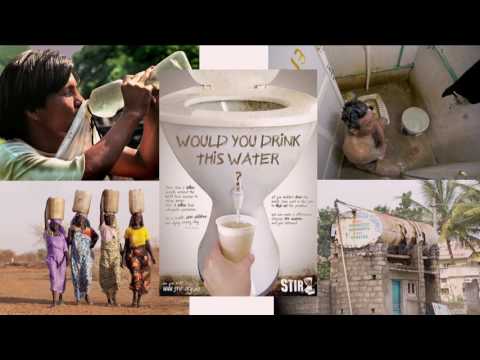
h2o I think this is the best-known
molecule in the world that we know of
the mere fact that water makes up more
than 70% of our body composition the
fact that it it cushions our our our
joint it cushions our organs it helps to
burn food turn it into energy in our
body
take the nutrients to our cells the fact
that animals have to have water the
plants needed the oceans wouldn’t exist
without water I think is living proof
that be the driving force behind nature
is water so water is everywhere and
every living organism needs water
somehow to survive as such I think it’s
fair to say that water is life life is
water without water we wouldn’t exist
water can be life but water can also be
death and destruction to little of it
then humans die stuff they can’t grow
crops too much of it again we have a
problem
it caused devastation it changed
geographies tsunamis floods they they
they they change the social fabric of
our of our civilization and the way we
use water or for a better word I think
abuse water to wave mistreated the way
we mismanage it is also causing a lot of
problems in Asia we’re all familiar with
the frequent floods and too much rain at
times and we have probably all
experienced some type of flood in our
lives at some point and all of that the
devastation that it caused over and over
again every year I think is all too
familiar to us so life death destruction
misery and I think water can cause both
depending on how we use it but we also
use what
to create energy almost all power plants
that we know a feather it’s a
hydroelectric power plant that runs
purely on water or whether it’s a
nuclear power plant or a fossil based
coal or gas power plant uses water in
its process in some shape way or form
you can argue that solar energy or or or
wind farms the renewable energy sources
that we are trying to push more and more
these days they don’t use water in the
process well maybe I I agree partially
but I’ll come to that later on so we use
water extensively to to generate energy
but we also use a lot of energy pushing
water around for our own needs so the
the most common method of getting water
from its source to your homes or to
where it’s needed is pumps and pumps are
driven by motors and usually by electric
motors and did you know that in the
world today 10% of the electrical
production electrical energy that we
manufacture we produce is used by pumps
to water to move water to push water
around to get water to where it’s needed
10% big-scale and then pretty soon we’ll
start seeing hydrogen fuel cells
commercially available in our lives and
already here hydrogen pools fuel cell
car is coming out from several
manufacturers and those cells in
principle very simply put use water as
the main ingredient and then put out
water as the final byproduct so energy
straight out of water so the use of
water in energy in creating power is is
really gaining momentum in getting big
not only we need water for our own use
but we also need it for energy for
creating our power for sustaining our
civilization so
if water is that important and I think
we all agree that water is critical to
life to civilization why does the world
not have a sustainable water policy
water management policy yes in some
countries in some institutions there’s a
lot of work going for towards it and a
lot of governments are appointing in
creating new ministries to look after
water management and water resources but
it is still in its infancy and
recognizing the fact when the UN put out
its 2030 global sustainable development
goals water was firmly on the agenda out
of the 17 sustainable development goals
for 2030 which the whole world though
all governments are supposed to be
focusing on to make lives and our world
a better place to are related to water
the development goal number six which is
clean water and sanitation sanitization
so ensuring that every human being has
access to clean water and sanitize ation
and number 14 which is life in water so
oceans and and and and seas as we know
it but let’s look at number six which is
much closer to home for for our basic
needs clean water and sanitization for
all do we have enough water in the world
to do that today our big blue planet
it’s it’s there you can see it it’s
covered with water
seventy one percent of the planet is
covered in water and the water that
covers the world is mainly oceans and
seas so say line a lot of salt in it and
therefore not readily consumable is not
fit for consumption by the living
organisms in its existing format so 97%
is indices only 3% is available as fresh
water for us for animals for plants to
consume and all of those 3% which is
mostly in largely locked in ice caps in
the glaciers 69% is out there frozen
solid and needs to be thought before we
can use it 69% is trapped in ice then
another 30% is trapped under the ground
it’s ground water ground water lakes
ground streams and it needs to be
brought out to the surface before we can
use it so when you do the addition only
1% of the freshwater that’s available in
the world is in surface water so lakes
rivers and swamps so you do the math 1%
of 3 percent so 0.03 percent of the
water that we have in the world is
available readily available for human
consumption and that would actually be
pretty ok to sustain the world and the
world population today if we could
distribute it and manage it in a fair
and sustainable way but unfortunately
not everybody is as fortunate as as we
are not everybody is as as lucky as we
are in most of Africa and also certainly
in Central Asia the less developed
communities the the rural areas there is
a real problem with access to water
access to clean water and many people in
their daily lives spend a lot of time
looking for water or fetching water
bringing water back home especially
women and kids they are the main water
makers if I may call them so
at home and women children they spent on
average in those countries in those
communities six hours a day walking six
kilometers looking for water finding
water bringing water back home six hours
125 million hours a day is spent by
women and children to fetch water to
find water and so I said children are
involved in that but of course the water
that they find is not always necessarily
clean water good for their health and a
lot of the time they have to use
contaminated water or dirty water and in
those dirty waters all sorts of diseases
and problems lurk from from malaria to
cholera to typhoid or if it’s an
industrially polluted piece of well then
even touching that water we could could
could give you burns and rashes so and
even death maybe according to the
studies between nine hundred and four to
five thousand kids die every day from
preventable waterborne diseases that’s a
huge staggering and said number and I’m
not going to bore you with more
statistics but just to take one from
what you see on the screen every 90
seconds that’s the low end of the
estimate the high end of the estimate
says every 15 seconds every 90 seconds a
child dies from waterborne diseases
considering that I’ve been up here on
stage for about 12 minutes now that is
eight kids that has died since I started
talking here when we talk about these
figures we all know about them but maybe
we don’t really get the real thing if I
had six kids standing next to me here
sorry eight kids standing next to me
here every one and a half minutes every
90 seconds one of them B would be
falling down and I
think that would be a grim grim thing to
watch for all of us so think about that
when we’re reading these statistics but
also to say a few positive things about
water and how water can create change in
the community and help lives every $1
that we miss in water creates again
according to different studies between
four and eight dollars in repeat
economic activity so you can imagine
it’s not just helping those people those
societies or animals or or or or plants
to have a better life but also we create
economies we are helping the kids to be
more healthy and when they don’t have to
go and look for water they can go to
school so it also helps to stimulate the
economic development of the communities
so on average a person needs between
fifty and hundred liters of water to get
by during his or her day some country is
a little less some country is a little
more but on average in the world 5,200
liters that we consume for ourselves we
drink it we washing it we brush our
tooth we be cooking it so and that
amount is only the visible part of the
iceberg only 10% of the use of water in
the world
goes into domestic and personal use 90%
goes into agriculture and industry into
production and depending on the
development level of the country of
course the figure changes the the more
developed countries are more
industrialized so they use more water in
industrial production and the developing
part of the world is using more water
for agriculture but on average 70% is
used on agriculture 20% used in industry
and only 10% by people phone in our
daily lives and what we need to consume
to to
stay alive but is that all 10% what
about the remaining 90% don’t be able
share in that everything we eat from
burgers to fish the cattle or everything
that we buy from shoes too close to
shirts everything uses water in some
shape or form in its production when we
grow crops when we cut even metal we
always use water in that so that’s
called invisible water or the hidden
water so let me talk about invisible
water let me ask you a question have you
ever heard of carbon footprint yes I
think we’ve all heard about carbon
footprint and it’s a big thing on the
world agenda we are all trying to reduce
emissions we are trying to make sure
that we pollute the air less and there
is carbon quotas for countries companies
and there’s even a stock exchange a
carbon trading scheme where I can buy
your carbon emissions because I’m eating
less it’s a big thing everybody knows
about it but what about water footprint
did did you hear about water footprint
water footprint is almost as important
and it’s critical this carbon footprint
for the world to really take notice and
do something about and the water
footprint as I said everything uses some
water so everything that we use for our
own consumption everything we eat
everything we buy that adds up to our
total water consumption and that’s our
water footprint our businesses water
footprint our government’s water
footprint and you see some numbers there
on the screen and all this talk got me
just while I have this in my hand
question for you this is less than a
meter but most water bottles bottled
water is body liter do you know the
water footprint of a one liter water
bottle so this one uses five times the
amount of water inside in its water
footprint so have one litre bottled
water comes at the expense of five
liters of water imagine we don’t think
about that when we drink the water we
just consume one liter water and usually
throw away half of it but there’s
actually five liters water that’s gone
into making that so please think about
that water footprint and things are not
actually going to get better it’s also
going to get worse in the sense that by
2050 the world population is estimated
to be around nine point 1 billion so
another 2 billion people needing water
to survive as well as goods to live a
comfortable life that requires water for
for its making and not only the world
population will grow but world
production is also expected to grow
industrial water need is expected to go
up by 400% 2050 again you can do the
math and the way we are using or abusing
water I think is not sustainable at all
with this data and with the photo
footprint that we have not on the water
footprint but also our way of life is
putting an extreme pressure on the
waters natural cycle because in nature
water is everywhere some of it
evaporates and then falls down back on
earth in the form of rain gets through
the ground filtered and joins an
underground stream and the main source
of water and there’s a natural cycle
that it follows when we built our urban
lifestyle we built big city
we covered the floors and we disturbed
the whole natural cycle of water so not
only water cannot escape to to the
ground for it to be filtered naturally
and passed back to the the water
reservoirs we also collected into sewage
systems and before we returned it back
to the nature or dump it back to the
nature we also pollute it so it’s a
double whammy situation that we create
with our urban lifestyles of course
there are technologies available already
to address this issue whether it’s our
lifestyle or our production processes
the technology is there technology is
not an issue some of it might be a
little more expensive today but when it
hits the mainstream of course it will
come down in terms of the cost and also
compared to the cost that the world has
to pay if you don’t use those
technologies then the cost does becomes
an unknown issue anyway but of course
the technology comes with its own
challenges and its own wood footprint as
well water footprint technology is a
water footprint as well earlier on we
talked about solar and the wind power
and I said well maybe slightly partially
I agree with that they need water also
in the production of the turbines and in
the production of the solar panels so
also those renewable power sources and
power plants need water in some shape or
form to make it happen water as we saw
can be the source of misery can be death
and destruction if misused or mismanaged
or is not treated well it can also be
the treasure that will help to improve
lives and that will help the humankind
ultimately and the decision is really
ours the decision is really yours so
next time you brush your teeth or you
take a shower or you drink water from a
bottle versus from the tap think again
and I think we
and all – something about it and it’s
our world it’s our life it’s our
children’s life and we can all make a
difference so when you leave please
think what will you do differently after
this thank you [Applause]
Please follow and like us: