
we think of vulnerability as a dark
emotion we think of it as the core of
fear and shame and grief and
disappointment uncertainty things that
we do not want to feel right I call
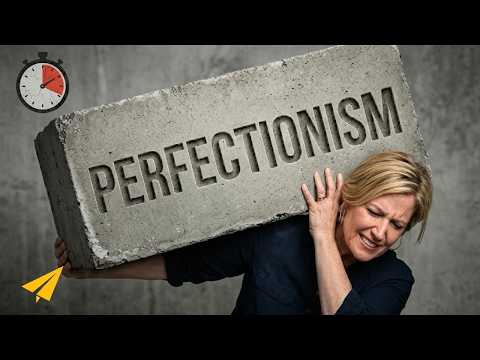
perfectionism the 2010 shield we carried
around thinking it’s going to protect us
from being hurt yeah but it protects us
from being seen but how many of you were
raised in families were you encouraged
to get curious about your emotions and
talk about them and explore those right
versus how many of you were raised in
families where you were taught hey suck
it up yep push through and get it done
hello a nation my name is Evan
Carmichael everyone were to believe it I
believe that entrepreneurs will solve
all of the world’s major problems so now
open up your journey today we’re going
to learn from best selling off the
pretty brown and my teeth are the top 10
rule number one is my personal favorite
and I’d love to know which ones you guys
like and as always as you’re watching TV
shoot something the residents with you
please leave it in the comments below so
poked around other people can be
inspired I’m kind of tired as well and
also in credit denim is much more likely
to stick for yourself as well
enjoy
and so my story is that I am a
researcher and I never thought I would
have a big public career and so I did a
TED talk that went very viral and in the
wake of that I was kind of everywhere
for a couple of months on every cnn.com
in PR it was everywhere and something I
wasn’t used to and the marching orders
from my therapist and my husband were do
not read the comments online so I read
all the comments online it’s a one
morning I woke up and there were two or
three new articles out and I started
reading a comment and they were
devastating they weren’t about my work
they were about me they were super
personal and they were the thing that
created people play in their mind and
then give up doing what they really want
to do like if I ask every single one of
you you would try what would you try if
you knew people would never say this
about you what would that what would
this be it would those were the comments
that morning
of course she embraces imperfection what
choice does she have which look at how
she looks I feel sorry for her kids less
research more Botox just mean personal
attacks the things that really up until
that moment had inspired me to stay very
small in my life in my career just so I
could avoid this thing so that morning
Stephen the kids leave I say home I get
on the couch and I watch eight hours of
Downton Abbey
[Music]
and when it’s over I don’t want to turn
off Downton Abbey because I then it
could be the minute you turn off Downton
Abbey and it’s like soccer practice and
dinner and back to the mean people and
maybe should I get motox and maybe you
know maybe as I stand still when I talk
so I get my laptop and I do a search for
who was president in the United States
during the Downton Abbey era have you
ever done that like you’re numbing with
TV or movie and so when it’s over you
just like stay in that space by like
learning more about the actors and
what’s going on I’ve been doing this
long enough to know this is like you’re
laughing with me not happy so I put it
in and Theodore Roosevelt comes up and a
quote comes up and I read it and this is
what it says it’s a quote from a speech
that he gave in the early nineteen
hundred’s of the Sorbonne and a lot of
people call the man in the arena speech
and this is the passage that changed
changes my life it’s not the critic who
counts it’s not the man who points out
how the strong man stumbles or where the
doer of Deeds could have done it better
the credit belongs to the person who’s
actually in the arena whose face is
marred with blood and sweat and died who
at the best in the end knows the triumph
of high achievement and who at worst if
he failed he fails daring greatly so the
moment that I read that I closed my
laptop and this is what shifted in me
three huge things first I spent the last
12 years studying vulnerability and that
quote was everything I know about
vulnerability it is not about winning
it’s not about losing it’s about showing
up and being seen the second thing this
is who I want to be I want to create I
want to make things that didn’t exist
before I touch them I want to show up
and be seen in my work and in my life
and if you’re going to show up and be
seen there is only one guarantee and
that is you
we’ll get your ass kicked that is the
guarantee that’s the only certainty you
have if you’re going to go in the arena
and spend any time in there whatsoever
especially if you’ve committed to
creating in your life you will get your
ass kicked so you have to decide at that
moment I think for all of us if courage
is a value that we hold this is a
consequence you can’t avoid it
the third thing which really set me free
and I think Steve my husband would argue
has made me somewhat dangerous it’s kind
of a new philosophy about criticism
which is this if you’re not in the arena
also getting your ass kicked I’m not
interested in your feedback here okay
what does it mean to be a wholehearted
person you have actually you know a list
of ten different qualities that
wholehearted people have in common
and so cultivating authenticity letting
go of what people think that’s the first
one let’s talk about that it’s so hard I
thought doing this research I thought
going into it you’re authentic people
and inauthentic people who I had I did
not find any evidence of that at all but
I found its authenticity to practice and
you choose it every day sometimes every
hour of every day and it’s a practice
it’s not I just want to have a ham
authentic it’s that when you walk into a
meeting you have to make the choice am I
going to show up and let myself be seen
am I going to if I can raise my hand
sake Wow
y’all look super excited I don’t know
what in the hell you’re talking about
you know that’s a choice yes uh-huh
right rule and what’s been to be make
that authentic choice you know let go of
the faker faker ooh
I said yeah call it the faker group but
you know what I have found I mean I
consider myself to be an authentic
person but when I am inauthentic is when
I’ve allowed myself to be around people
who were not and then I have to fake it
to be with them it’s contagious
yes so they’re faking it yeah then and
you know you’re in that situation when
you do that huh
that kind of huh you’re laughing at
jokes that aren’t funny you’re
pretending to be comfortable when you’re
not and lose your own authenticity yeah
it one of the shocking findings of my
work with the idea that the most
compassionate people I have interviewed
over the last 13 years we’re also the
absolutely most found read it is very
more thing they all give you a very
definition of the definition of boundary
that I use in the book boundary is
simply what’s okay and what’s not okay
what I think we do is we don’t set
boundaries we let people do things that
are not okay or get away with behaviors
that are not okay then we’ll just
resentful and hateful mean I’d rather be
loving and generous and very
straightforward with what’s okay and
what’s not okay so my question is big
Vig what boundaries need to be in place
for me to stay in my integrity and make
the most generous assumptions about you
the generosity can’t exist without
boundaries and we are not comfortable
setting boundaries because we care more
about what people will think and we
don’t want to disappoint anyone we want
everyone to like us and boundaries are
not easy but I think they’re the key to
self love and I think they’re the key to
treating others with loving kindness to
saying you can’t nothng a sustainable
without boundaries when I found you know
12 years of research 11,000 pieces of
data I did not interview and all that
time a person who would describe
themselves as joyful or described their
lives as joyous who did not actively
practice gratitude and for me it was
very counterintuitive because I kind of
went into the research thinking that the
relationship between joy and gratitude
was if you’re joyful then you should be
grateful but it wasn’t that way at all
it was really that practicing gratitude
invites Julie entire lives and when I
say practice I think this is this is the
part that really changed my life it
changed my family and the way we live
every day when I say practice gratitude
I don’t mean kind of like the attitude
of gratitude or feeling grateful I mean
practicing
gratitude these folks shared in common a
tangible gratitude practice they either
kept gratitude journals some of them did
interesting things like at 1 2 3 4 like
at 12:30 for every day they said
something out loud that they were
grateful for they one of the things that
we do like we say grace at dinner and so
now after grace we go around and
everyone in my family says something
they’re grateful for I mean including
what’s interesting is when we first
started I have a first grader at first
grade sight in Charlie and 8th grade
daughter Ellen and at first I thought
and we’ve been doing it for a couple
years now like they’re like oh god mom
and if there was a little like this is
are you experimenting on us it was a
little bit of that but now what’s
interesting even after we did it for
like a couple of weeks that on those
crazy busy nights where we’re trying to
like get to soccer and piano and
homework and Steve and I are just like
we Sutan we say a quick prayer we start
eating my kids are like whoa what are
you grateful for and it’s been
extraordinary because not only
absolutely does it invite more joy into
our house it also is such a soulful
window into what’s going on in my kids
lives you know so there’s some day for
my eighth grader I’ll be like I’m joyful
that there’s a huge thick wall between
my room and my brother’s room you know
something is very you know honest but
there other day she’ll say you know she
had a friend his mother recently died
and she said you know for a month she
would say I’m just so grateful that
y’all are healthy right now you know and
so not only did it make us all more
aware of what we had and more willing to
slow down and really be thankful for the
joyful moments we had but it let me know
where she was emotionally in her life
you know my side is always you know I’m
grateful for bugs I’m grateful for frogs
but sometimes he’ll say you know I’m
grateful that you picked me up early or
you know I’m grateful that I finally
understand adjectives you know so it’s
there’s a great quote that says it’s not
granted it’s not joy that makes us
grateful it’s gratitude it makes us
joyful and it’s by a Jesuit brother a
Jesuit priest
and I guess I was just amazed to find
that bubble up so strongly in the
research its life-changing we think
about vulnerability as a dark emotion
you know there are a lot of seed people
who talk about light ammo you know
positive emotions negative emotions dark
emotions light emotions we think of
vulnerability as a dark emotion we think
of it as the core of fear and shame and
grief and disappointment uncertainty
things that we do not want to feel right
things that I don’t want to be
vulnerable because that means I’m afraid
that means I’m uncertain that means I’m
at risk I’m exposed I’m in grief so what
we do is we are more apt and we say I do
not want to slip into these dark
emotions I will not let myself be
vulnerable but here’s what I learn from
the research and certainly put into
motion in my own life that was the most
life-changing is that vulnerability is
the center of difficult emotion but it’s
also the birthplace of every positive
emotion that we need in our lives
love belonging joy empathy how many of
you would agree that we’re in a serious
empathy deficit in our culture today
totally right
no vulnerability no empathy and a
culture where people are afraid to be
vulnerable you can’t have empathy here
empathy is not a default response if you
share something with me that’s difficult
in order for me to be truly empathic I
have to step into what you’re feeling
and that’s vulnerable so there can be no
empathy without vulnerability why do you
think in that example that I used while
ago daughter comes home and says you
know tears no one sat with me at lunch
today and made fun of what I was wearing
so-and-so won’t talk to me they poured
my books out of my locker and the
response
back is I told you I bought you all
those cute jeans why aren’t you wearing
those jeans and pull your hair back
is that an empathic response no it’s a
shaming response could that was shaming
response be if it could get a mother who
absolutely adores her child respond with
that shaming response
please say yes don’t kid yourself I mean
come on if you’ve got a if you’re a
parent sitting in here then you sure as
hell know the answer to that is yes but
why why did that happen what where was
the access to vulnerability where was I
mean where was empathy you can’t access
empathy if you’re not willing to be
vulnerable so my daughter comes home and
tells that to me guess what I have to do
I have to reactivate that sweaty palms
seventh grader who lives inside me and I
have to go oh god that’s so hard I’m so
sorry
that’s happened to me that’s happened to
me when I was in middle school and it’s
happened to me last week let’s talk
about it but you can’t get there without
vulnerability you can’t fake empathy
innovation creativity born of
vulnerability
this is my favorite part I talked about
this admit I did another TED talk this
year at Lynn Long Beach and I told the
story that during 2011 and even this
year and after the big TEDx Houston
chocolate viral the big calls came from
fortune 500 companies oh my god we loved
your TED talk it was great
please come talk to all of our senior
leaders and it’s like okay what do you
talk about like we don’t care just come
and talk to us just if you could explain
and vulnerability talk
every single conversation barring maybe
10% look what do you mean well we let
you know your you’re funny
yet it’s great research I think there’s
a real fit with what we do we just we
don’t really do you know that kind of
stuff around here so you could not
mention vulnerability and shame so just
for fun for grins I would say okay so
what would you like me to talk about
yeah
fourth-quarter earnings like for
condoning balance my checkbook
like I’m not going to talk about that so
what do we what do you let me talk about
well the big issue creativity and
innovation mmm and change we’re going
through a lot of change it’s like okay
so vulnerability is the birthplace of
creativity innovation change and the
reason that crisis is happening is
because you’re not talking about
vulnerability imagine creativity
innovation without vulnerability I’m
asking you for a work product that has
never been made before this completely
innovative I need you to be creative and
then as you percent it to a group of
people who are going to happen when I
think it’s stupid and not understand it
know vulnerability their perfectionism
what emerged for me in the data was that
perfectionism is not about striving for
excellence or healthy striving which
yeah I’m for yeah it’s a cognitive
behavioral process a way of thinking and
feeling that says this if I look perfect
do it perfect work perfect and live
perfect I can avoid or minimize shame
blame and judgment you know what I
thought when I was reading this I had
another aha aha to people because this
was why other AHA that perfectionism
I never gotten this before tolerate that
perfectionism is the ultimate fear that
the people who are walking around as
perfectionist who have everything so
yeah that they are ultimately afraid
that the world is going to see them for
who they really are and they won’t
measure up there’s no question that’s
that’s what it that’s right right that’s
exactly what it is right it’s fear
because it’s very different than trying
to be excellent
okay hard and doing your best yeah yeah
and so I call perfectionism the 20-ton
shield we carried around thinking is
going to protect us from being hurt yeah
but it protects us from being seen let
me tell you this real story this just
happened I spoke at HubSpot last week
okay
13,000 people in this lawson convention
center it’s like 10 minutes before I go
on and I’m making that I look at Twitter
and I’m this person since this tweet out
that says why is Brunei at HubSpot why
is at brené Brown at HubSpot 2015 and
he just waited like love Seth Godin love
Amy Schumer all these people but why is
Brene brown I’m like oh my god why am I
at HubSpot what am I doing here
and then I’m like I start sweating and
it’s like any with the Convention Center
is like because you lady you know I’m
like oh my god what am i doing on the
opening keynote I’m like and then he
tweets it again and I’m like oh my god
and sound like these are marketing
people I don’t know anything so I start
googling in my phone marketing terms
2015 and great the first time that comes
up is incentivize I’m like I’ve got to
work that got our work forward and
Center buys into this this keynote I’m
like what does that mean exactly I don’t
know but I’m going to say we’re going to
incentivize I’m like what is happening
and I have a total crisis of confidence
like because you know shame drives to
tapes not good enough and who do you
think you are and like Who am I right
that’s terrible and so then all of a
sudden I’m like who is it since what
happens when you get backed into a
corner
my brain is making up the story you
don’t belong here I’m like that story’s
not going to work if I’m going on in
five seconds I’m like so I’m like okay
the best-case scenario attack attack
attack this guy maybe attack them from
the stage maybe use that as my opening
maybe say like John Doe asked what I’m
doing here well let me tell you out you
know and then I click on the tweet to
figure out what his name is and I
accidentally hit the link in his tweet
and it goes to this page that says what
is brené Brown doing or HubSpot she’s
talking about without vulnerability and
that’s so important here’s her touch
but could you imagine if I would have
got out there and been like a great fear
yes totally no and that’s a true story
it just happened because what happens is
when something hard happens and were
captured by something difficult our
emotions get the first crack at making
sense of something a bad look a hard
phonecall a disagreement at work we
think that we’re rational beings we
think that cognition is going to carry
us through and make sense of it but it
doesn’t you know emotions driving
thought and behavior are not even in the
front seat riding shotgun they’re not
even the back seat thought and behavior
and the trunk going hey and emotions
driving so the first thing we do is we
tell ourselves a story that reduces
ambiguity about what happened so oh I’m
not supposed to be here I’m not good
enough to be here men and women who have
the greatest capacity for rising strong
in the moment something happens they
hack into that neurobiological process
of making up a story they stop and say
wait a minute
what’s actually going on here what is
what am I feeling what do I know for
sure because what is you know what is a
story there’s a name and research for a
story that has one or two limited data
points and we fill in the rest with fear
Wow it’s called a conspiracy a
conspiracy is a story with limited data
points so here’s what I know I know a
guy sent a tweet I know I’m getting
ready to talk that’s all I know so now
that I’m ready to ruin his career and
use him as a whipping person you know as
I stalk what is going on the first step
of rising strong is recognize you then
snagged by emotion and get curious about
it that’s it but how many of you were
raised in families were you encouraged
to get curious about your emotions and
talk about them and explore them right
versus how many of you were raised in
families where you were taught hey suck
it up push through and get it done so
the first thing is really reckoning with
emotion what am I feeling and and what
do I need to know more about that is a
huge answer that thing that you say like
this this is something that someone
knows something that I don’t know do
they have information I don’t have
that’s a huge part of the reckoning we
don’t do it so in that minute in the
backstage when I was hot on my phone I
could have just said
whoa burn a your like heart is racing
your where your teeth are clenched and
you’re going in for the kill here what
do you know about this yeah thing you
know nothing and what if you do
everything who cares they give a
you know there are 13,000 people you’re
going to an hour targeting one guy you
don’t know
Shane is far more likely to cause
destructive behaviors than it is to cure
it what we know is that Shane is highly
correlated with addiction violence
aggression bullying it’s not helpful to
be ashamed for this reason I think this
is really a core thing that we need to
get our heads and hearts around as a
culture shame corrodes the part of us
that believes we can change so to chain
someone into changing is like saying to
them you are horrible and worthless and
you’re not capable of change get better
I have interviewed over 600 men and
women now across the country about shame
and across the interviews men and women
with high levels of resilience to shame
sheer four things in common
the first is they physically recognize
when they’re in shame and they know what
triggered it so let’s say something
happens at work I make a mistake or
something happens and that warm wash
comes over me you know that feeling yes
yeah we all know if I can physically say
like I know a dis is a m– I’m in shame
it’s very helpful because we are not fit
for human consumption when we’re in
shame we need to pull away and get re
grounded take some deep breaths and
figure out how to respond one of the
things that makes aim worse is normally
when we’re in it we act out for example
the mother that I interviewed she filled
her car up she goes into the gas station
she goes to pay her credit cards
declined the man shane’s her in front of
the other patrons makes her leave her I
think her wedding band and her wallet
and laid with just an ATM card so she’s
filled with shame she gets in the car
she slams the door when she slammed the
door it wakes up her three-year-old
toddler who’s in the backseat
who started screaming what happens next
she starts screaming back shut up shut
up right so now she’s in the shame of
having this credit card declined being
belittled in front of people and now
having to deal with you know the
struggle of on the horrible mom and why
am I taking this out of my child so men
and women with high levels of resilience
recognized physically when they’re in
shame and what triggered it okay then
they practice critical awareness how
realistic are the expectations and
messages that we put on ourselves or
that others put on us that tell us who
we’re supposed to be the third thing is
men and women with high levels of
resilience reach out we’ve got to share
our story so they talk about it they
talk about it you know we breathe
through it we recognize we’re in it and
then we call and say hey Patricia it’s
me you’re not gonna believe what
happened can you listen it’s it’s hard
and then we speak shame you know it’s I
try to explain to people the importance
of using the word shame and this is not
just laypeople this is mental health
professional right you know we’ve got to
use the word it’s different if I were to
call you into Patricia’s brain so
embarrassed that would be one thing
right if I were to call you and say
Patricia’s Brennan I’m really struggling
with some shame that’s different it’s a
different person right shame cannot hold
on when we name it right so it’s not
just you know it’s an academic pet peeve
I want everybody to get the semantics
correct men and women with high rubles
of shame resilience use the word and
talk about the emotion I think there’s
like a thin film of terror wrapped
around us and so if it’s not I’m not
safe enough I’m not secure enough it’s
I’m not liked enough I’m not promoted
enough I’m not loved enough I don’t have
another have enough I am not enough at
the very bottom yeah I’m not enough yeah
well that’s big big bag bag bag bag
somebody ring some bells we need some
bells to ring on this show well that’s
it and so guess what the number one
casualty is of a scarcity culture what
vulnerability we shut down we shut down
because I’m not going to let you know
now because I don’t I’m not all together
right yeah
and the thing is that people like oh
well we lose a little vulnerability but
vulnerability is not just about fear and
grief and disappointment it’s the
birthplace of everything we’re hungry
for creativity joy creativity faith yeah
innovation and all of that yes and the
whole thing is there is no innovation
and creativity without failure period so
we got to be open enough to take the
risk to fail yeah what I have found in
my life and what I found in my research
which fueled what I did in my life is
that the people who have the most
courage who are willing to show them be
the most vulnerable are the ones who are
very clear about who the critics are the
ones who reserved seats for them and say
I hear you I get it
I know where the messaging is coming
from I’m not I’m not an I’m not buying
it anymore so to get very clear the last
thing which I think is the hardest is
this one of these seeds needs to be
reserved for you one of these seeds
needs to be reserved for me I need when
we look up and we’re putting an idea our
piece of art our design forward who do
you think the biggest critic in the
arena normally is yourself
and so definitely me like I have never
watched either of those TED Talks
because it’s not in service of the work
for me and I try to do things are only
in service of my work because what would
what would it serve for me to watch it I
would sit there and go oh my god suck in
your stomach oh my god that’s not what
you were going to say you know we’re so
self-critical and one of the things that
I think happens and I think this happens
a lot it happens in different
professions and I think I see it a lot
with creatives is there is an ideal of
what you’re supposed to be and what a
lot of us end up doing is we Orson the
part
our selves that don’t fit what that
ideal is supposed to be and what it
leads when we open all those parts of us
is it just leaves the critic and so
reserved in this seat is this where we
came from how we started our families
that’s me the oldest of course the Lost
years for years where I was so lost and
confused and hurt and disillusioned that
I thought the only path to freedom was a
flock of seagulls haircut the higher the
hair the closer to God we say in Texas
the people who love us the moments that
make us who we are and in that sheer
should be this person the person who
believes in what we’re doing and why
we’re doing it and the person who says
yeah it’s so scary to show up it feels
dangerous to be seen it’s terrifying but
it is not as scary dangerous or
terrifying as getting to the end of our
lives
and thinking what if I would have shown
up what would have been different
thank you nice car show action I hope
you enjoy the cast your vote on who you
want to see in the next top 10 check us
a link in the description and go vote
for the person that you want me to
profile after let us know which Clips
resonates and most of you what lets me
to achieve this video and immediately
apply to your life or to business
somehow leave it down the comments below
I’m really curious to find out what you
have to say I also want to give a quick
show through the seal case that’s where
I thank you so much the seal for picking
up a copy of my book you one word and
posting the picture on Instagram I
really really really appreciate you
support and I’m so glad you enjoy them
thank you guys so much for watching I
believe in you hope you teach to believe
in yourself
and whatever your one where it is much
love
we numb vulnerability when we’re waiting
for the call when we’re trying to think
about if we’re going you know it was
funny I guess Wednesday I sent something
out on Twitter on Twitter and on
Facebook that says what how would you
define vulnerability what makes you feel
vulnerable and within an hour and a half
I had 150 responses because I wanted to
know you know what’s out there having to
ask my husband for help because I’m sick
and we’re newly married initiating sex
with my husband
initiating sex with my wife being turned
down asking someone out waiting for the
doctor to call back getting laid off
laying off people this is the world we
live in we live in a vulnerable world
and one of the ways we deal with it is
we known vulnerability and I think
there’s evidence it’s not the only
reason this evidence exists but I think
that there is a huge cause we are the
most in debt obese addicted and
medicated adult cohort in US history the
problem is why the problem is and I
learned this from the research that you
cannot selectively numb emotion you
can’t say here’s the bad stuff here’s
vulnerability here’s grief your shame
here’s fear here’s disappointment I
don’t want to feel these I’m going to
have a couple of beers in a Banana Nut
muffin
I don’t want to feel these and I know
that I know that’s knowing laughter I
hack into your lives for a living I know
that God you can’t numb those hard
feelings without numbing the other
effects or emotion
you cannot selectively numb so when we
numb those we numb joy we numb gratitude
we numb happiness and then we are
miserable and we are looking for purpose
and meaning and then we feel vulnerable
so then we have a couple of beers in a
Banana Nut muffin and it becomes this
dangerous cycle one of the things that I
think that we need to think about is why
in hell we numb and it doesn’t just have
to be addiction the other thing we do is
we make everything that’s uncertain
certain religion has gone from a belief
in faith and mystery to certainty I’m
right you’re wrong shut up that’s it
just certain the more afraid we are the
more vulnerable we are the more afraid
we are this is what politics looks like
today there’s no discourse anymore
there’s no conversation
there’s just blame you know what blame
you know how blame is described in the
research a way to discharge pain and
discomfort we perfect now let me check
if there’s anyone who wants their life
to look like this it would be me but it
doesn’t work because what we do is we
take fat from our butt and put it in our
cheeks
which doesn’t which just I hope in 100
years people will look back and go and
we perfect most dangerously our children
let me tell you what we think about let
me thank you very quickly about children
they’re hardwired for struggle when they
get here when you told those perfect
little babies in your hand our job is
not to say look at them look at her
she’s perfect my job is just to keep her
perfect make sure she makes the tennis
team by fifth grade and Yale by seventh
grade our job that’s on our job our job
is to look and say you know what you’re
imperfect and you’re wired for struggle
but you are worthy of love and belonging
that’s our job
show me a generation of kids raised like
that and we’ll end the problems I think
that we see today we pretend that what
we do doesn’t have an effect on people
we do that in our personal lives we do
that corporate whether it’s a bailout an
oil spill a recall we pretend like what
we’re doing doesn’t have a huge impact
on other people yeah I would say to
companies if this is not our first rodeo
people we just need you to be authentic
and real and say we’re sorry we’ll fix
it but there’s another way and I’ll
leave you with this this is what I have
found to let ourselves be seen deeply
seeing vulnerably seen
to love with our whole heart even though
there’s no guarantee and that’s really
hard I can tell you as a parent that’s
excruciatingly ly difficult to practice
gratitude and joy in those moments of
kind of Terror when we’re wondering can
I love you this much can I believe in
this as passionately can I be this
fierce about this just to be able to
stop and instead of catastrophizing what
might happen to say I’m just so grateful
because to feel this vulnerable means
I’m alive and the last which I think is
probably the most important is to
believe that we’re enough because when
we work from a place I believe that says
I’m enough then we stop screaming and
start listening
we’re kinder and gentler to the people
around us and we’re kinder and gentler
to ourselves that’s all I have
Please follow and like us: