
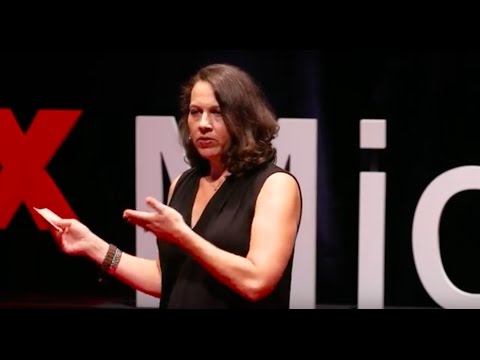
for refugees it’s a huge issue right now
politically and also just as a
humanitarian issue first I just want to
quickly talk about the scale of the prop
of the problem not give you a lot of
numbers but I think we just have to kind
of define it 65 million people displaced
around the world that’s about the
population of the UK it’s the largest
number ever in recorded history so more
than after World War two 20 million of
those people more than 20 million are
refugees which means they’ve actually
fled their country because of forced
displacement so it’s because of war and
persecution that’s why they left about
40 million or more than 40 million are
displaced for those same reasons but
haven’t crossed an international border
so 65 million displaced it’s a huge
number often refugees are defined by
what they’ve lost which is a lot their
homes their communities their jobs their
friends in many cases family members but
I think it’s also important to remember
that they that it’s a mistake just to
think about refugees that way because
they’re just people so they also have a
lot of things they have hope you
wouldn’t get up and leave your house
leave everything behind and run if you
didn’t have hope for a better future
they also many times have education
particularly in some of the most recent
crises like Syria businesspeople doctors
other professionals many are also
laborers and farmers so they have skills
they have you know they have a
willingness to work so and they also
have a great desire to live in peace
nobody who flees conflict wants to go
and live in more conflict so these are
all things that refugees actually bring
to communities after they flee where are
they from 40 percent from Syria it’s in
the news but I didn’t want to just talk
about Syria because so many are from
other places the big three countries are
Afghanistan Syria and it’s Somalia but
refugees are fleeing in all parts of the
world so Congo Iraq Burma the northern
triangle of Central America which is
Guatemala else
salvador honduras so that right in our
backyard from all over and where are
they now well we all see in the news
that there are you know over a million
in europe but that’s really what made us
aware of the refugee crisis but it’s
been going on for a much longer time
there are millions of refugees in other
places that are hosted by much poorer
parts of the world Turkey Lebanon Jordan
Kenya Ethiopia Mexico so refugees are
everywhere and this is was kind of a
more of a hidden crisis or something
that we didn’t pay a lot of attention to
until we saw refugees coming into Europe
and all of a sudden you know everyone
said this is a crisis so keep that in
mind by the way these are some pictures
that are taken by some of my colleagues
at highest some of the refugees that we
serve around the world so what’s next
for refugees well there are three things
that typically happen for refugees
they’re called the durable solutions and
this is an international legal term but
they’re very basic and they make sense
what are the three durable solutions one
is return voluntary return they go home
well that’s not really an option for
most refugees anymore
the scale of the crisis is so huge and
the violence is so pervasive that it’s
very difficult for people to go home
because there’s just no place safe so
just to give you an example last year
200,000 refugees went home that’s out of
20 million displaced so it’s not very
likely that refugees are going to go
home
the second durable solution is local
integration which means they fled to a
country they’re living there and then
eventually they will make that their
home that also has become very difficult
because the scale is so large at the
countries that are hosting refugees who
have been very generous
you know countries like Jordan Lebanon
Ethiopia Kenya they have struggles
themselves these are not wealthy
countries necessarily there’s limited
opportunities in the workforce it’s
difficult to educate all these children
medical care is scarce so these
countries are really although they’ve
been very welcoming and remain welcoming
are really struggling and they need our
help so the UN refugee agency which
supports these countries is actually
only 40 percent funded to provide
support to refugees and that’s the
average it’s actually higher
for Syrian refugees because that’s kind
of the crisis that’s in the news but
lower for African refugees as much as as
little as twenty percent funded so
there’s just not enough international
support for these countries that are
doing so much and the third thing is
resettlement so resettlement is
basically one third countries that can
afford to do it like the US were the
largest but also Australia Canada the
Nordic countries countries in Europe
actually go out and for political
reasons for foreign policy reasons and
free manatorian reasons identify
refugees to bring to our countries to
integrate and to support and so they can
start their lives now that’s a great
option but it’s the numbers are tiny
really last the last year fiscal or
sorry calendar year 2015 about a hundred
thousand people were able to get
resettlement it’s a much larger number
now the international community has been
paying more attention to it but it’s
only about I think three hundred
thousand and the u.s. is the largest we
actually resettled eighty five thousand
last fiscal year and are going to be
resettling one hundred ten thousand of
the eighty-five thousand that we
resettled twelve thousand were Syrians
so we resettled refugees from all over
the world we are the world’s leader in
refugee resettlement but what happens
when these three durable solutions are
not really an option I mean like we’ve
just said there’s nobody’s going home
there’s not enough resources and host
communities for local integration and
resettlement is very limited well people
move me what would you do you know you
have hope you know you’ve left already
your kids aren’t in school you can’t
find work what would you do you would
move people move so the problem is it
looks and feels like chaos because
there’s no system there’s no people are
just taking off and moving because
there’s no real good way for it to
happen in any other way so it looks and
feels like chaos and people take huge
risks and you all have seen that in the
news people died in the Mediterranean
people died crossing our southern border
so we don’t want that we don’t think
that people should be dying because
they’re doing what all of us would do in
their situation which is to move for a
better life a safer life so the way
forward
World Peace would be good I have ten
minutes so I’m going to skip that but
that would be the solution development
you know all kinds of there’s so many
things that that you know need to be
done but I can’t get it to that a second
thing is helping host countries these
countries have been very generous and
let’s be realistic resettlement is not
going to be an option for everybody in
the near future and peace on earth
so that everybody can home could go home
is probably not going to happen anywhere
near term so how do we support these
countries and how do we kind of share
the responsibility that’s the big theme
this year with refugees how do we do
that part of it is by actually providing
more funds to these host countries to
make sure that they can provide these
services a lot of refugees don’t want to
necessarily be resettled they want to
stay close to home so that if the
opportunity comes they can go back or
they have family members who are still
there they don’t I mean if you think
about it if you had a child who was you
know in your in your country and you
were next door you might not want to go
to the US you would want to kind of hope
to be reunited quickly so some people
don’t want to leave but there’s not
enough money and again the u.s. is the
largest supporter of refugees for the
president asked for six billion and the
FY 17 budget but that’s what we spent on
Halloween six billion so you know we
could be doing more there and the rest
of the world also needs to do more and
then the other thing is increasing
resettlement it is a big number 110,000
but given the scale of the crisis we can
and it should be doing more we are a
country that’s always welcomed
immigrants and refugees we have the
capacity to do it the way we do it now
is a public-private partnership where
organizations such as highest the one I
work for but also other faith-based
organizations and humanitarian
organizations partner with local
communities on the ground to receive and
welcome refugees so we have an infinite
capacity for that there’s so much
support for that in the communities
despite the political rhetoric we need
to be doing more resettlement and then
what we need is a really a global
movement for refugees we have a global
movement of refugees but we need a
global movement for refugees governments
should do no do more but they’re not
going to do more unless we demand it and
we’re up against some really kind of big
challenges which is fear of change
fear of newcomers these are powerful
things but when you think about it what
are the risks of not doing this let’s
not think about the risks of doing this
but what are the risks of not doing this
it’s it’s this chaos it’s this people
really exposing themselves to it really
dangerous situations and we can’t live
in a world like that where thousands of
people are dying just trying to find
safety so more concretely I wish I could
tell you some stories you see some
pictures one thing you can do I’m sure
there been TED talks by refugees watch
them meet them I mean more refugees are
being resettled in this country get
their stories it’s really important it’s
amazing what they will tell you and it’s
amazing when you see how similar they
are in their circumstances what their
lives were like before they left they
were like ours the other thing is tell
your governors many governors have come
out against refugee resettlement and
your members of Congress that you would
like to support refugees they’re not
hearing from us because quite honestly
we’re not as energized as those who
really want to stop you know providing
this kind of assistance support your
local resettlement agency you can go
online all of this you can find out
online just your local resettlement
agency by volunteering donating supplies
donating your time would be great and
I’m keep in mind that nobody expects to
be a refugee again doctors business
people just people just like us they the
only power they have is to get up and
move but they don’t have any power over
policy but we do because we’re here and
we’re safe so we really should use this
opportunity to make our voices heard and
do more to protect refugees we can make
a difference so that is the way forward
that I recommend and thank you all very much