
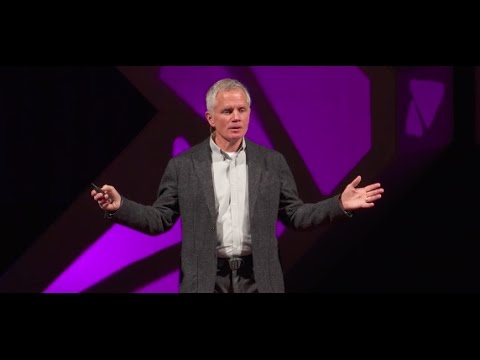
gone out to REI at their lunch time and
they’ve bought colorful ripstop nylon
tarps and they stretch them over the
over their desks effectively lowering
the ceiling in this otherwise beautiful
high ceiling space why did they do that
make it more like a garage personalize
their space in South Seattle a police
chief paints her room pink all four
walls the floor and the ceiling and 500
years ago in isfahan iran a Shah designs
a room with the intention of capturing
the essence of music I’m an architect
the intrigue of a curve the harmony of
form the beauty of color and texture and
being able to manifest something
tangible out of thoughts that’s what
attracted me to architecture but what I
didn’t know was when I got into this
business I’d be given a plumb line
to the human soul my first job out of
school was working in Iran in the mid
70s for the mayor of Tehran working on
projects for the Shah it was a
fascinating time it was a time of
tremendous contract contrast a twenty
five hundred year old culture coming
headlong into rapid modernization I
actually found myself one time drawing
in the sand with a stick to place the
beginning of a high-rise in a city of
seven million people that didn’t have a
sewer system but I learned some
life-changing lessons when I was there
and most importantly what affected the
rest of my career was understanding the
power of design and the role that it
played so 500 years ago
Isfahan the Salafi dynasty these folks
knew a little bit
about how design can deliver powerful
and emotional spirit I will never forget
I can still feel what I felt in my first
trip to the shah’s mosque in Isfahan
over 40 years ago the Shah at that time
built the only Kapoor palace and on the
top floor he designed this room and the
ceiling of this room were a series of
domes upon domes with intricately carved
recesses it was like a hundred violins
on the ceiling and his belief was that
it could capture the essence of music
and it would affect the the behavior and
the thought processes of people in that
room to follow and he did just that
before he was to use the room to
meditate or to meet with special guests
he would have musicians play music in
that room for hours they would leave and
he’d come in well that’s a that’s kind
of a quaint tourist story right but for
me it was a lot more than that it had an
impact on my understanding of the role
that architecture can play and I believe
that some day quantum physics may
actually prove that room works so I’m
back home from Iran and I have my first
project in the United States and it was
a police station well I had never done
two police stations Architects dream to
do a police station right well I did my
homework and I tried to learn everything
I could about police stations but in my
first meeting with the police street
with the police chief at one point he
said well Scott where you gonna put the
pink room and I thought pink room what’s
that well he explained when we bring a
prisoner in in the back of a car drive
into the Sallyport the prisoners
handcuffed we have to get them in and
book him and
behind bars and sometimes those folks
are ornery and we were looking for a way
to calm them down when we get him out of
the car
so police forces everywhere had been
imagining this and they went through an
arduous trial and error process and they
found a very certain color pink for a
very specific amount of time 17 minutes
if you put them in this room that’s pink
everywhere for 17 minutes they calm down
and that was told to me just starting my
career in this country in a very
matter-of-fact way from a police chief
and I thought this is this is powerful
stuff
this this intuition and this trial and
error to have space do these things well
science is now playing a big role in
what architects do we used to stamp
plans and now we hang around with
neuroscientists some of the things we’ve
learned have really shaped what we’re
doing for example high ceilings if
you’re in a space where the highest
ceiling your ability to think spatially
and conceptually is improved your
cognitive performance in that area goes
up if you’d have a low ceiling your
cognitive performance for mathematics
will improve so what were those Google
engineers doing I think they were trying
to write better software we used to
think cubicles were horrible now we know
they create stress and make you
unhealthy and your performance goes down
so a connection to that is what we’ve
learned about how we early humans lived
we very carefully picked where we chose
to live with this idea of prospect and
refuge and what we mean by that is you’d
pick a spot where you can see what’s out
there and you can see what’s coming
that’s prospect and refuge well a place
to hide and guess what cubicles have
neither of either of those and they do
create stress they do create low
and speaking of early humans for over
99% of our time on this planet we’ve
lived outside and when we’re in nature
we’re home and so yo Wilson coined the
term Biophilia and that’s about this
bond that humans have with nature plants
and animals and so what we’ve learned is
that if you’re sitting at your desk and
you can see a tree within a hundred feet
your cognitive performance goes up and
here’s Biophilia made real with
architecture this is Massachusetts
General Hospital this is their new
hospital in Boston this is the brain
surgery recovery suite one of many
sweets like this and when you get out of
brain surgery you lie on this bed and
you face the nurse’s station for the
first 24 hours so the nurse can look you
right in the eye but at 24 hours this
bed swivels 180 degrees and you’re
looking out on that garden that garden
a good idea that garden was an
investment in health it’s on the eighth
floor of the building in an atrium a
significant investment in health and
they’re seeing the returns because if
for the rest of your recovery you’re
looking at that garden you will go home
sooner you will go home healthier and
the recovery rates and performance of
this hospital goes up Biophilia is real
and it’s having an impact on behavior
and it’s having an impact on healing so
I had the opportunity work with the CEO
of Samsung the world’s largest
electronics company at an interesting
time a few years ago where they were
making a change a significant change
from becoming what they call the fast
follower they were the best at taking
somebody else’s idea and making it
better and getting it to market and they
needed to become an innovative leader
because that model a fast follower work
was going to run out for them and what
the CEO knew was that they needed a
culture change a huge culture change and
in my conversations with that CEO he
became convinced that the design of
their North American headquarters could
help begin that change that people would
respond to this space and so we went
ahead with this idea of designing a a
generative building so what do we mean
by that well we invented we invented
office buildings at the beginning of the
of the 20th century and those buildings
were what we call conservative they can
serve existing relationships those
people that you need to see every day
that you work with very closely and we
architects started to build all these
office buildings through the 20th
century that aided and abetted the
siloing of the corporate world and silos
don’t work so the idea of a generative
building is
foster new relationships generate new
relationships every day every work every
week all year long so what we know is
that 50 percent of our brains more than
50% of our brains is visual and what we
see and who we see in the course of a
day matters a lot so we designed the
building around the idea that looking at
the patterns and running avatars through
hundreds of different floor plates we
could find a way that you would see more
different people in the course of a day
and we did another thing we also
calculated a way to figure out how you
could burn more calories during that
same day because if you’re moving more
you’re healthier you’re smarter you’re
happier and your performance will go up
so we’re designing buildings around
creating relationships and creating
movement another thing that we did was
we made an outdoor space every third
floor of this 10 story building you
never more than a floor away from being
outside because if you want to have a
great meeting go outside and take a walk
that’s where your brain will be this
highest possible performance and you’ll
come back from that meeting healthier
happier and smarter so we’ve done a lot
of these ice tea ideas together at
Amazon here in Seattle 3 1 million
square foot towers around these three
spheres and all of that space is is
leveraging biophilia leveraging the
outdoors leveraging connections to
cities these spheres are a workplace
there an alternative workplace 700
people can bring their laptops and sit
in this space amidst thousands of plants
and they will be healthier they will be
happier and their stress will be lower
good things will happen but it doesn’t
just end at the spheres here’s a dog
park up on about the 17th floor of the
building
and it doesn’t end there
which is the idea of a corporate
headquarters and its relationship with
the city that the office does not end at
the front door and the city does not end
at the front door and they’re going out
and taking a walk going out for lunch is
part of that experience it’s part of how
you’re going to be a more productive
worker so beliefs intuition now science
they all count this is the case for the
power of design and it’s stronger than
ever and it’s just in time today we face
unprecedented challenges population
growth we’re going to hit 10 billion
people this century the largest
migration in human history into cities
the cities are growing we’re all going
to live there and that’s a good thing
we’re not going to make it on this
planet with 10 million people life we’ll
make it on this planet without living in
cities what are they gonna be like well
we know they’re gonna get denser let’s
take Seattle 8,000 people per square
mile that’s the 10th densest in the
United States so there’s 8 dots on a
square New York the densest city in this
country 28,000 people per square mile
and the densest city in the world Manila
one hundred and eleven thousand people
per square mile this is a trend we’re
not only getting bigger cities we’re
going to have denser cities and what’s
that going to be like we have the tools
and now we have a choice will we choose
to build classrooms that are boring or
classrooms that delight will we choose
to build workplaces
that distract or workplaces that
motivate will we choose to build cities
that stress or we choose to still build
cities that inspire
design gives us that choice thank you [Applause]
Be First to Comment